
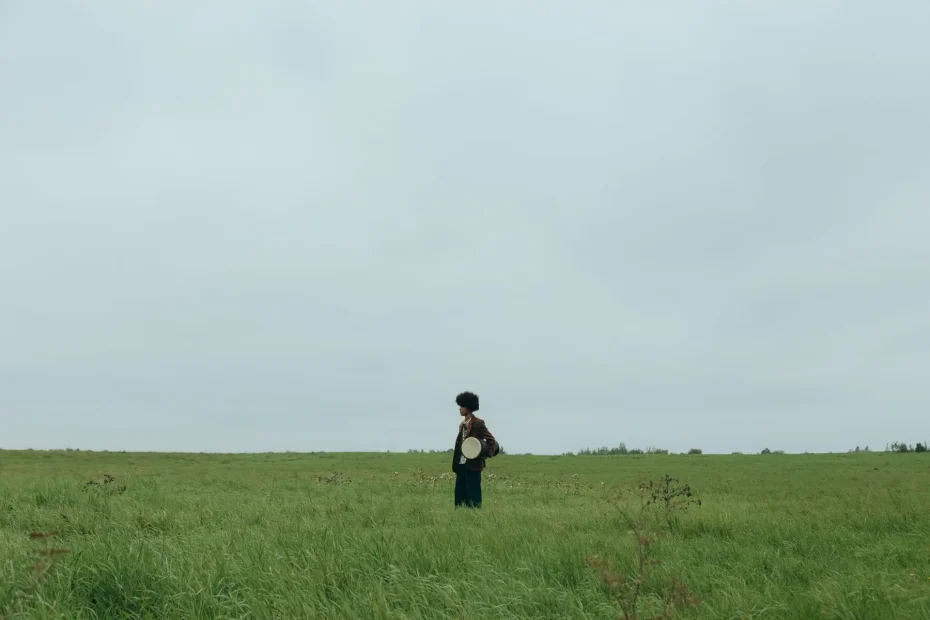
Malian music is rich in traditional rhythms. Among them, Soko, Kassa and Tiriba are well known. They are often played on the djembe, a West African percussion instrument. To learn more, you can visit this site about the Soko rhythm.
Djembe players use drums with varying skin tension. This creates distinctive sounds for accompaniments and solos. It is characteristic of Malian music and West African music more broadly. You can watch videos of Japanese djembe players on this site.
Rhythms such as Soko, Kassa and Tiriba are essential to understanding Malian music. They show the importance of music in West African culture. We will explore these rhythms, their history, their meaning and their significance. We will also look at the instruments used, such as the djembe.
Mamady Keïta’s musical legacy in West Africa
Mamady Keïta is a master djembefola. He has devoted his life to preserving and passing on the traditional rhythms of West Africa. He is particularly interested in percussion and membrane instruments.
The Mandebala site describes the origin and meaning of the Soko rhythm. This rhythm is associated with percussion and membrane instruments. Soko is complex, with polyrhythm and complete independence between parts, as Babara Bangoura demonstrates.
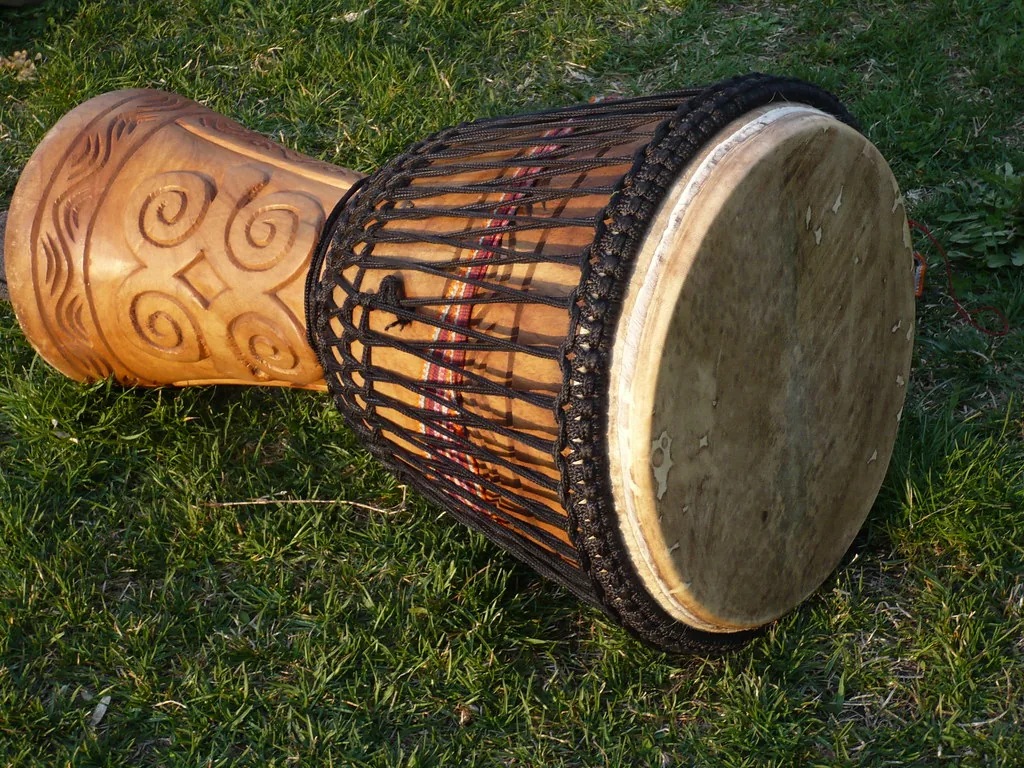
The djembe is a key instrument in Mamady Keïta’s musical legacy. Making one requires great skill, as well as knowledge of its symbolism and associated rituals. The djembe is played at ceremonies and celebrations alongside other percussion instruments that create a festive atmosphere.
Mamady Keïta’s musical legacy reflects the richness and diversity of West Africa’s intangible heritage. Percussion and membrane instruments have an essential place in it. Preserving them is crucial to keeping African culture alive.
The Soko rhythm: origins and cultural meaning
The soko rhythm has an essential place in Malian music. It is played on the djembe. It accompanies dances and ceremonies and has great cultural significance.
Here are some key features of the soko rhythm:
- It is played for young boys during the three months before the circumcision period.
- One account says that soko emerged in 1950 and was created by a particular group.
- The rhythm is played before and after circumcision ceremonies, often to accompany dances by uninitiated boys.
The djembe is a very popular percussion instrument. It symbolizes connection and cultural unity. The soko rhythm is often played on the djembe at ceremonies and celebrations, including weddings and naming ceremonies.
In short, the soko rhythm, played on the djembe, has a crucial place in Malian music. It carries great cultural significance: it accompanies dances, ceremonies and celebrations.
| Rhythm | Instrument | Cultural significance |
|---|---|---|
| Soko | Djembe | Circumcisions, weddings, naming ceremonies |
Characteristics of the Kassa rhythm
The Kassa rhythm is a key part of the traditional rhythms of Malian music. Its structure and rhythmic composition are complex. These characteristics call for specific playing techniques to perform it properly.
Percussion instruments are at the heart of the Kassa rhythm. Instruments such as the djembe and dundun are essential. Musicians must master them to create the nuances and tempo variations that characterize this rhythm.
- Complex rhythmic structure
- Rich and varied musical composition
- Specific playing techniques for percussion instruments
In short, the Kassa rhythm has a crucial place in Malian music. It demands considerable skill with percussion instruments and a thorough understanding of its rhythmic structure and composition.
| Feature | Description |
|---|---|
| Rhythmic structure | Complex and nuanced |
| Musical composition | Rich and varied |
| Playing techniques | Specific to percussion instruments |
Tiriba: an emblematic rhythm of the Manding tradition
Tiriba is a traditional rhythm of Malian music. It is well known in the Manding tradition. It accompanies dances and ceremonies and has great cultural significance.
Tiriba is often played on the djembe, a highly regarded African percussion instrument. The djembe produces rich, deep sounds that are ideal for Malian music.
Here are some features of Tiriba:
- It is often played during traditional ceremonies and dances.
- It has great cultural significance in the region.
- It is often accompanied by the djembe and other percussion instruments.
Tiriba holds an important place in the Manding tradition. It is still played and celebrated today. It symbolizes the region’s cultural richness and diversity. It inspires musicians and dancers around the world.
Mamady Keïta’s rhythms: Soko, Kassa and Tiriba in modern practice
Mamady Keïta’s rhythms, including Soko, Kassa and Tiriba, are still played today. They have been passed down through generations by oral transmission. They are part of Manding cultural heritage and are essential to keeping its traditions alive.
Modern artists use contemporary percussion instruments while respecting older methods. Djembefolas are among those creating new compositions while respecting the conventions of Manding music.
These rhythms appear in various kinds of performance, including concerts and festivals. They are also used in dance and theatre. People learn them through oral transmission or in music schools.
Here are some contemporary uses of these rhythms:
- Concerts and festivals of Manding music
- Dance and theatre performances
- Teaching Manding music in schools
- Creating new compositions and arrangements
Mamady Keïta’s rhythms thus continue to live and evolve. Oral transmission and the preservation of intangible heritage are essential to the continuity of these traditions.
| Rhythm | Origin | Characteristics |
|---|---|---|
| Soko | Faranah, Guinea | 24-pulse rhythm, divided into 2 groups of 12 |
| Kassa | Guinea | Polyrhythmic rhythm with complex structures and compositions |
| Tiriba | Guinea | Emblematic rhythm of the Manding tradition, with distinctive features |
Conclusion: the importance of preserving these rhythmic traditions
West African rhythmic traditions, including Soko, Kassa and Tiriba, are precious. They are essential to the region’s cultural identity. They continue to inspire musicians and dancers today.
They tell stories of rites of passage, bravery and strength. These stories are passed down through generations.
The Soko rhythm is played for young boys before their circumcision. This important Malinke ritual marks the transition to adulthood.
The Soko rhythm comes from the Faranah region of Guinea. It is now played at many celebrations. This shows the tradition’s importance to the region’s intangible heritage.
Passing these traditions on to young people is crucial to protecting this cultural wealth. By valuing these ancestral percussion traditions, we safeguard a unique heritage deeply connected to West African identity.