
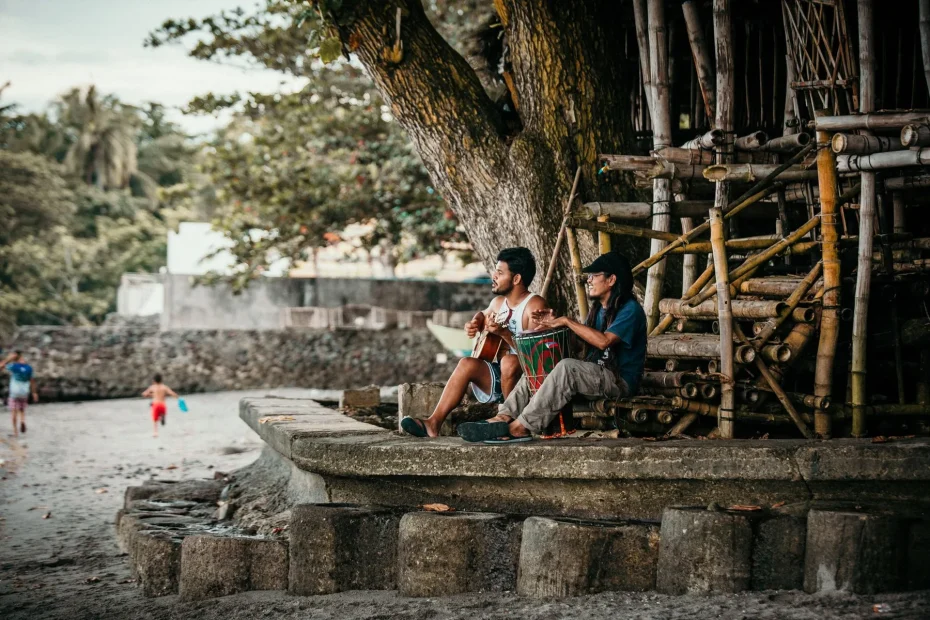
The album Djembefola is a masterpiece of traditional Malian music. It showcases Mamady Keïta’s djembe. This album is a classic of African music that reveals the richness of Malian music and the importance of the djembe.
The djembe is an essential instrument in Malian music. Mamady Keïta is a master of it. His album Djembefola is a classic that continues to inspire today, thanks to music that transcends time and cultures.
Mamady Keïta’s music blends traditions and influences. It reflects the diversity of African culture. His album Djembefola reveals his talent and his commitment to Malian music, which reaches people around the world.
Mamady Keïta’s story: from village life to the international stage
Mamady Keïta is a master djembefola born in a village in Guinea. He discovered African percussion during his childhood. He began learning the djembe at a very young age and became an expert.
Guinean culture influenced his music. He plays the djembe with passion and dedication, showing the importance of cultural heritage in his musical development.
Keïta continued his training with masters of African percussion. His talent earned him worldwide recognition. He performed with many artists and took part in international festivals.
This allowed him to share his love of African percussion with a wider audience. To learn more about incorporating the djembe into musical ensembles, visit faire-du-djembe.fr.
The master’s Guinean roots
Keïta’s Guinean roots shaped his playing style. He grew up in an environment where music and dance played an essential role. This influenced his approach to African percussion.
His cultural heritage shines through in his music, which reflects the richness and diversity of Guinean culture. His art thus bears witness to the influence of his origins.
Worldwide recognition
Keïta owes his worldwide recognition to his talent and dedication. He performed with renowned artists and took part in international festivals, allowing him to share his passion with a wider audience.
His cultural heritage and distinctive playing style have earned him respect around the world. He became a recognized master djembefola.
| Year | Event | Location |
|---|---|---|
| 2018 | Release of the album “Grand bal (Le)” | Paris |
| 2018 | Filming of “En plein chœur” | Lyon |
| 2017 | Release of the film “Place à la révolution” | Ouagadougou |
The djembe: an instrument at the heart of African tradition
The djembe is a traditional percussion instrument in Africa. It is used in many countries to accompany music and dance. A symbol of African cultural heritage, it illustrates the richness and diversity of African percussion.
The djembe is used in many settings, from traditional ceremonies to modern artistic performances. This range of uses shows its importance in African percussion and its role in preserving cultural heritage.
Its distinctive features, such as its bowl shape and goatskin drumhead, allow it to produce a wide variety of sounds. It is often played alongside other percussion instruments, creating a rich and immersive musical experience.
The use of the djembe in African percussion is a tradition passed down from generation to generation. It helps preserve cultural heritage and promote cultural diversity.
Here are a few key points that show the djembe’s importance in African tradition:
- The djembe is a versatile instrument used in settings ranging from traditional ceremonies to modern artistic performances.
- It is considered a symbol of African cultural heritage and represents the richness and diversity of African percussion.
- The djembe helps preserve tradition and promote cultural diversity by passing knowledge and skills from generation to generation.
In short, the djembe is an emblematic instrument of African tradition. It represents the richness and diversity of African percussion and cultural heritage. Its importance in African culture is undeniable. Its continued use plays an essential role in preserving tradition and promoting cultural diversity.
Djembefola: a masterwork that transcends time
The album Djembefola is a timeless classic of Malian music. It transcends time and cultures. Created by Mamady Keïta and his group, it features emblematic pieces and innovations.
The story of its creation is captivating. It received impressive media coverage, with 77 articles. Its pieces form an essential masterpiece of African music. They attest to the richness and diversity of African musical heritage.
Mamady Keïta and his group introduced innovative techniques that make Djembefola unique. Here are some characteristics of the album:
- 11,507 website visits
- 5,480 subscribers to the Games’ email newsletter
- A video included in the online coverage
In short, Djembefola transcends time and cultures. It showcases the diversity of African musical heritage. It is a timeless classic of Malian music whose influence endures today.
| Album | Artist | Release year |
|---|---|---|
| Djembefola | Mamady Keïta | 2004 |
Cultural and spiritual influences in Keïta’s music
Mamady Keïta’s music is deeply connected to African cultural heritage. As a master djembefola, he studied the traditional rhythms and melodies of Guinea.
Keïta’s compositions seek to immerse listeners in a state of trance, where notions of time and space fade away. This musical journey reveals Africa’s cultural riches and the profound spirituality that accompanies them.
Here are some key aspects of the cultural and spiritual influences in Keïta’s music:
- Use of traditional rhythms and melodies
- Incorporation of African percussion instruments
- Creation of an atmosphere of trance for listeners
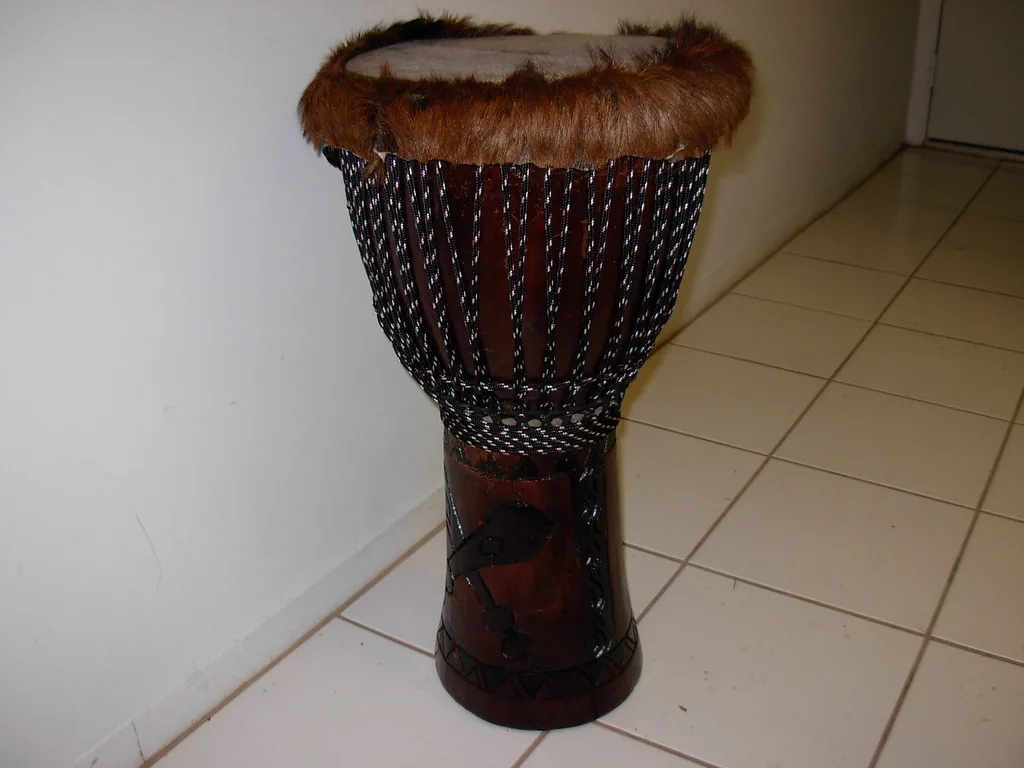
Listening to Mamady Keïta’s music, we can feel the power and beauty of African heritage. This musical journey introduces us to the richness of this culture and connects us with its spirituality.
| Element | Description |
|---|---|
| Traditional rhythms | Use of African rhythms to create an atmosphere of trance |
| Percussion instruments | Incorporation of African percussion instruments to enrich the music |
| Spirituality | Creation of a spiritual atmosphere for listeners |
Mamady Keïta’s musical legacy in the modern world
Mamady Keïta’s musical legacy remains important today. It inspires new generations. His work captivates listeners with its rhythms and stands as a masterpiece.
He helped preserve traditional rhythms. He founded the Tam Tam Mandingue percussion school, which teaches traditional rhythms and percussion techniques.
His impact on new generations
Mamady Keïta influences young musicians and dancers. His compositions inspire them and help them create new artistic works.
Preserving traditional rhythms
Mamady Keïta worked extensively to preserve traditional rhythms. He passed on traditional musical knowledge, particularly rhythms and percussion techniques.
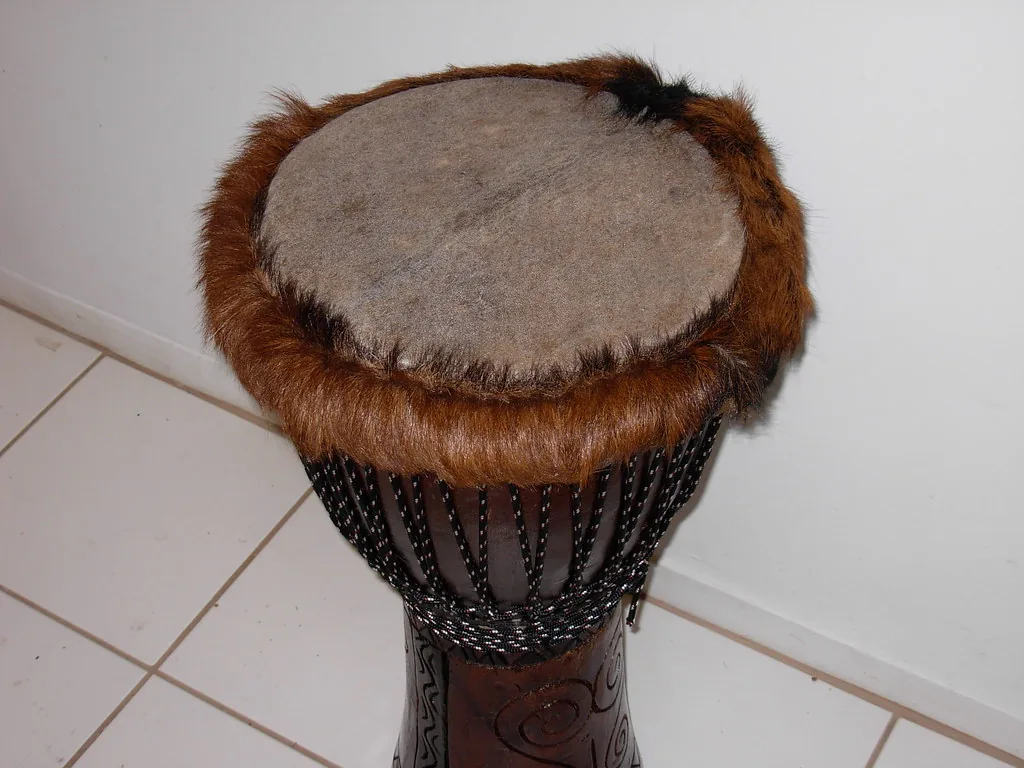
The Tam Tam Mandingue percussion school
The Tam Tam Mandingue school is part of Mamady Keïta’s musical legacy. It offers percussion classes where students learn traditional rhythms and techniques.
| School | Specialization | Location |
|---|---|---|
| Tam Tam Mandingue | Percussion | Guinea |
| School of Arts | Music | France |
Conclusion: Djembefola, a cornerstone of traditional African music
Mamady Keïta’s album “Djembefola” is a timeless classic. It expresses the essence of traditional Malian music. This remarkable work showcases the virtuosity of the djembe and Africa’s cultural richness.
Through his innovative techniques and captivating compositions, Keïta made a profound mark on the music world. He inspired many musicians and music lovers.
The documentary “Énergie positive des dieux,” released in 2021, highlights Keïta’s impact. It explores the spiritual and cultural significance of the djembe in African communities. The film “Small Island Big Song,” shot over three years, pays tribute to the traditions Keïta championed throughout his career.
Celebrating “Djembefola” helps us appreciate its importance. It is a timeless classic that connects us with traditional Malian music and the enduring rhythms of the djembe. Keïta’s legend continues to inspire and captivate the world, making African music an essential part of our cultural heritage.