

The world of African music has lost a great master, Mamady Keïta. He was a djembe virtuoso, and the djembe is a key instrument in African percussion. Born in August 1950 in Balandougou, Guinea, he began playing the djembe at the age of 7.
At 14, he joined Guinea’s Djoliba National Ballet. He became a master of Manding music. He created more than 160 new djembe rhythms and left behind a rich discography.
Mamady Keïta was a pioneer in passing on Malinké culture. He founded at least 13 music schools around the world. One of them, the renowned Tam Tam Mandingue school, is in Brussels.
He codified the language of the drum in 60 rhythms. These rhythms are recorded in a book entitled The Bible of the Djembe. This work helped preserve and promote African percussion. Mamady Keïta is recognized as one of the world’s greatest percussionists. His legacy will inspire future generations.
The legacy of a giant of African percussion
Mamady Keïta made a profound mark on African percussion, particularly the djembe. He devoted his entire life to this instrument. His influence on traditional music is still felt today. As a griot, he played an essential role in preserving Malinké culture.
Online sources show that Mamady Keïta devoted his life to the djembe. He had a major influence on African traditional music. He is regarded as a guardian of Malinké culture. His legacy continues to inspire musicians and artists, including Oumou Sangaré.
Events such as the Babel Med Music festival showcase the diversity of traditional music and African percussion. Djembe concerts and workshops offer opportunities to discover and share the richness of Malinké culture. Mamady Keïta was an ambassador for that culture, and his legacy continues to resonate around the world.
Deep roots in Guinea-Conakry
Mamady Keïta came from Guinea-Conakry, a country rich in culture and music. He began with the National Instrumental Ensemble. There, he learned to play the djembe and became familiar with Malinké rhythms.
Mamady Keïta’s roots in Guinea-Conakry ran deep. They shaped his music. Music held an essential place in his daily life.
To learn more about Guinea-Conakry, visit the news site. Keep up with the latest developments.
Here are some important points about music in Guinea-Conakry:
- Music holds an essential place in Malinké culture
- The National Instrumental Ensemble reflects the country’s musical richness
- Malinké rhythms are still played at concerts and festivals
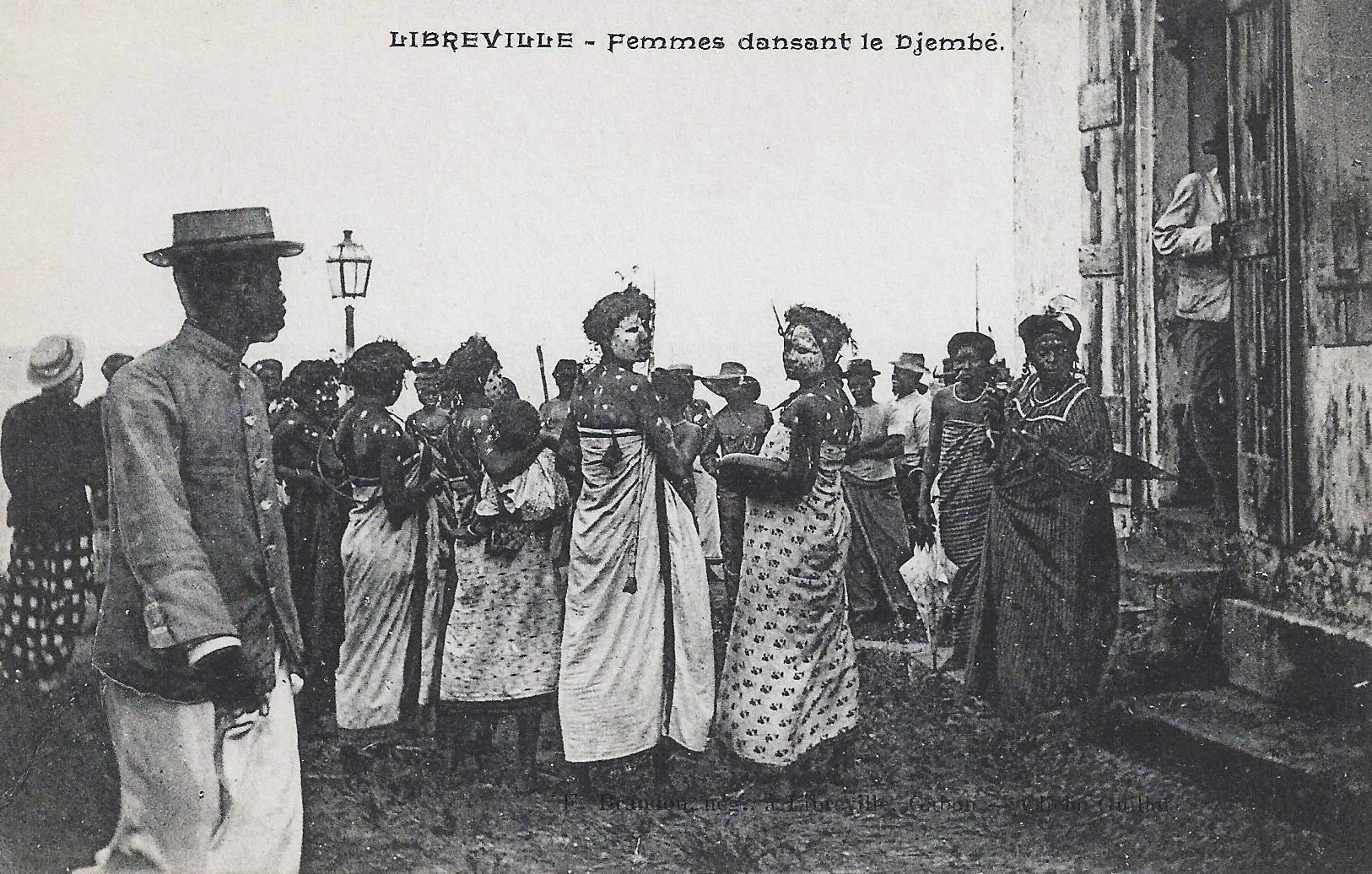
In short, Mamady Keïta’s roots in Guinea-Conakry ran deep. They shaped his music. The National Instrumental Ensemble and Malinké rhythms played a key role in his career.
The remarkable career of a virtuoso
Mamady Keïta was a djembe virtuoso. He began with the National Instrumental Ensemble. There, he developed his skills and gained international recognition.
He went on world tours, sharing his passion for the djembe with diverse audiences. To learn more about his career, visit faire-du-djembe.fr. The site features profiles of great djembe players, including Mamady Keïta.
His beginnings with the National Instrumental Ensemble
Mamady Keïta began with the National Instrumental Ensemble. Eager to learn and passionate about music, he quickly developed his skills and became a key member of the ensemble.
International recognition
Mamady Keïta quickly gained international recognition. He shared his talent with audiences around the world. He performed at prestigious festivals such as the Africolor Festival. To learn more, visit africolor.com.
World tours
Mamady Keïta’s world tours were highly successful. They allowed him to meet musicians and audiences from different backgrounds. He shared his love of the djembe and African music, leaving an enduring musical legacy.
Mamady Keïta: A Tribute to a Late Djembe Master – His unique approach to teaching
Mamady Keïta left his mark on the world of the djembe. As a master, he developed a unique teaching method. It emphasizes understanding polyrhythms and playing techniques.
This approach helped his students master the instrument. They became talented musicians.
Julien André’s book, Systématique de la polyrythmie malinké, explores the principles of Malinké polyrhythm. It proposes an original method for studying Malinké polyrhythm and other polyrhythms from sub-Saharan Africa. This resource has been very useful to Mamady Keïta’s students.
Features of Mamady Keïta’s teaching include:
- A comprehensive approach to teaching the djembe that takes account of the instrument’s technical, cultural and historical aspects
- A teaching method that emphasizes regular practice and repetition to develop mastery of the instrument
- Teaching that values creativity and personal expression while respecting the traditions and principles of Malinké music
In summary, Mamady Keïta’s teaching stands as a tribute to a late djembe master. He left a lasting legacy in the world of music. His students became talented musicians who can play the djembe with skill and creativity.
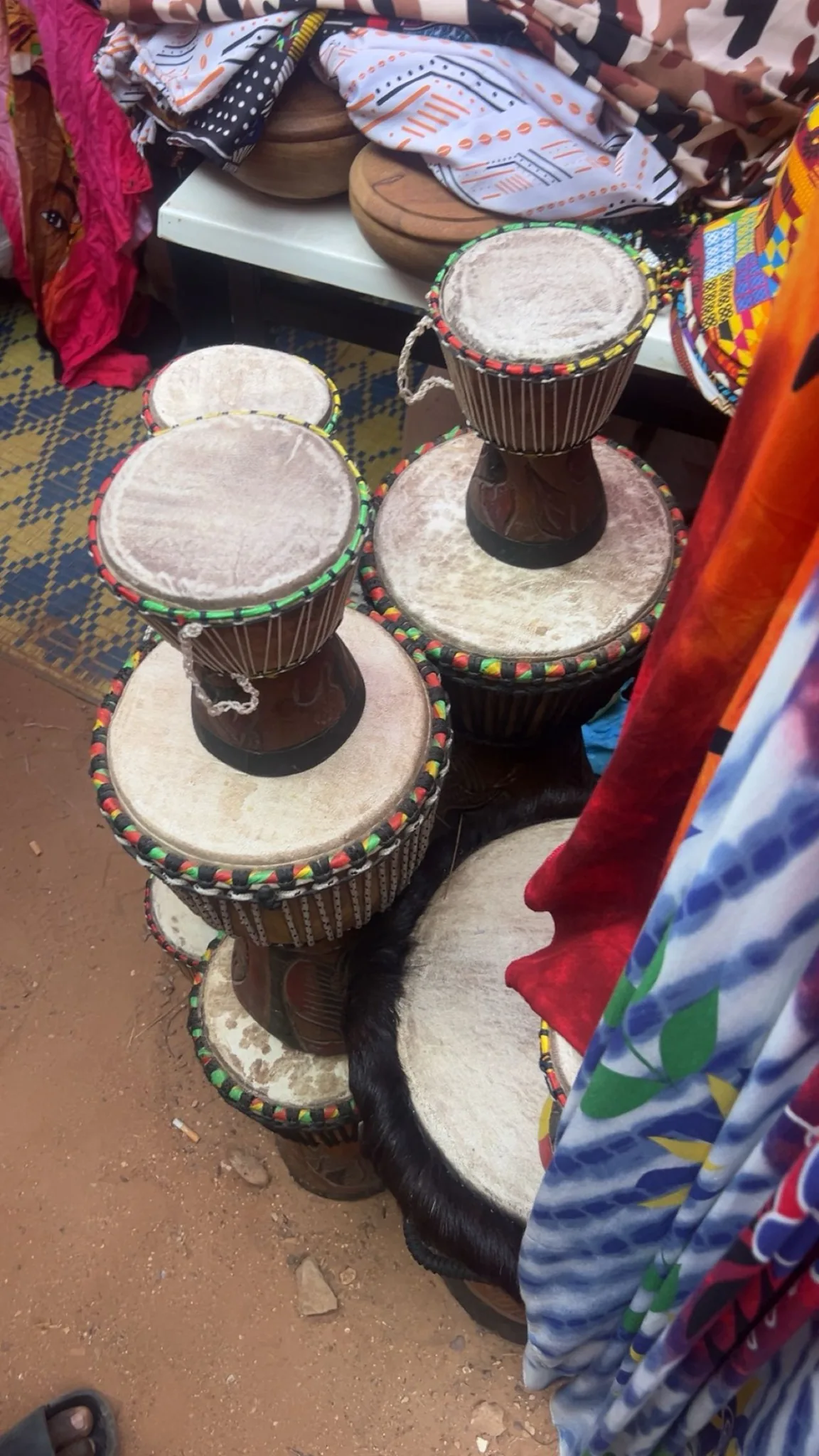
Mamady Keïta’s students benefited from his teaching. They became ambassadors of Malinké culture. They share their knowledge and passion for the djembe with people around the world. This shows the lasting influence of his teaching, which inspires new generations of musicians.
Innovation within tradition: the Keïta method
The Keïta method, created by Mamady Keïta, represents an innovation in the world of the djembe. It combines tradition and innovation. Students learn to play the instrument and discover new techniques.
Students at the Tam Tam Mandingue school learn the fundamentals of the djembe. They receive a complete musical education. This approach helped introduce the djembe to people around the world.
- Passing on ancestral knowledge
- Creating new techniques
- The importance of regular practice
Thanks to these principles, the Keïta method has become a reference point. It attracts students from around the world.
| School | Method | Specialization |
|---|---|---|
| Tam Tam Mandingue school | Keïta method | Djembe |
In summary, the Keïta method and the Tam Tam Mandingue school illustrate innovation. They show how traditions can be preserved while people continue to innovate and progress.
Conclusion: An enduring musical legacy for future generations
Mamady Keïta left humanity a precious legacy. He devoted his life to preserving and sharing the tradition of African percussion. His influence will reach future generations and inspire musicians around the world.
Thanks to him, the djembe will continue to flourish. It will carry the message of Malinké culture to every corner of the globe. Mamady Keïta’s death leaves a great void, but his musical legacy lives on. It will continue to captivate and move listeners for centuries to come.