
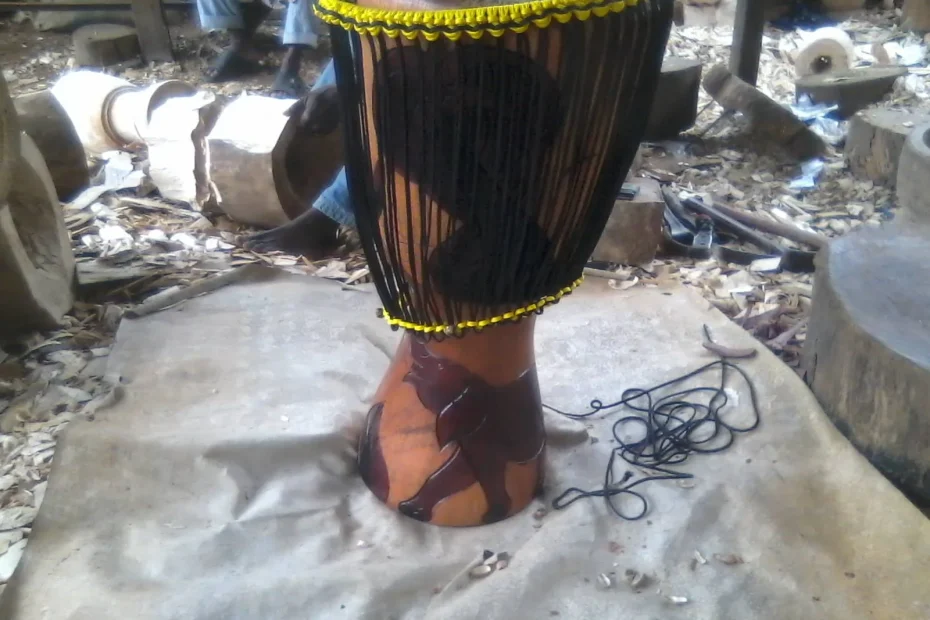
The djembe, a percussion instrument of African origin, brings unparalleled rhythmic richness to any musical ensemble. If you want to diversify your music and add a distinctive touch to your compositions, you have come to the right place! In this series of articles, we will share practical tips and strategies for incorporating the djembe into your group harmoniously and creatively.
With its distinctive sound and versatility, the djembe lets you explore new musical possibilities and blend different styles. Whether you are an amateur or a professional musician, this percussion instrument can add an exciting dimension to your musical experience.
In this series, we will explore the history and importance of the djembe in music, the different ways to learn to play it, how to bring it into various musical genres, and the benefits of including it in musical ensembles. We will also share valuable advice on incorporating the djembe naturally alongside other instruments while preserving your group’s musical balance.
Ready to discover the fascinating world of the djembe? Join us on this musical journey and learn to add variety and energy to your performances. With our tips and strategies, you will be ready to bring the djembe into your ensemble with skill and creativity. So what are you waiting for? Let the djembe’s captivating rhythm carry you away and explore the magic of musical diversity.
The history and importance of the djembe
The djembe, a percussion instrument from West Africa, holds an essential place in African music and culture. Its distinctive, complex playing technique makes it especially fascinating. In this section, we will explore the history and importance of the djembe in music, along with the techniques and playing styles associated with it.
The djembe originated in the Manding societies of West Africa, particularly in Mali, Guinea, and Côte d’Ivoire. Used at ceremonies, gatherings, and celebrations, it has long been a symbol of communication, the sharing of knowledge, and spiritual connection.
To fully appreciate the djembe’s importance in African music, it is essential to understand its cultural meaning and the many roles it plays in West African communities. This instrument is far more than a musical tool: it reflects a rich history and a strong cultural identity.
Djembe technique relies on the hands to produce varied, rhythmic sounds. By striking the drumhead in different ways, including slaps, tones, and bass strokes, percussionists can create captivating rhythms and melodies.
Today, the djembe is heard around the world. It has become an important instrument in many musical genres, from traditional African music to fusions with styles such as jazz, reggae, and rock.
Different djembe playing styles
The djembe can be played in different ways, each bringing its own sound and character to the music. Here are some of the most common playing styles:
- Traditional style: centered on African rhythms, this style uses rhythmic patterns associated with particular regions or ethnic groups.
- Modern style: influenced by other musical genres, this style incorporates more contemporary techniques and explores new sounds.
- Improvised style: this lets percussionists express themselves freely and emphasizes intuition and creativity, offering considerable freedom of interpretation.
Each djembe playing style offers distinct possibilities for musical expression and allows percussionists to convey different emotions through their playing.
In the following sections, we will continue exploring the djembe by looking at different ways to learn it and how to incorporate it into various musical genres.
Different ways to learn the djembe
To incorporate the djembe effectively into your musical ensemble, it is important to develop a good command of the instrument. In this section, we will present different ways to learn the djembe, including training programs, classes, and online resources. We will also offer advice on choosing the learning method that best suits your needs and experience level.
There are several ways to learn the djembe, depending on your preferences and circumstances. Here are some common options:
- Training programs: Professional development programs offer a structured, comprehensive approach to learning the djembe. They are generally taught by recognized experts and include practical sessions, theory classes, and assessments.
- In-person classes: In-person classes taught by experienced djembe teachers provide a practical, interactive experience. You can benefit from personalized instruction and receive immediate advice to improve your playing technique.
- Online resources: Many free and paid online resources are available for learning the djembe. You can find video tutorials, online lessons, sheet music, and discussion forums to help you progress at your own pace.
It is important to choose a learning method that fits your schedule, goals, and preferred way of learning. Combining approaches can also help you build a solid foundation.
Whichever option you choose, make sure you set aside enough time to practice the djembe regularly. Consistency and patience are essential for developing your skills and mastering the instrument.
Tips for choosing the best learning method
Here are some tips for choosing the djembe learning method that suits you best:
- Define your goals: Think about what you want to achieve by learning the djembe. Do you want to play in a group, learn for pleasure, or become a professional percussionist? This will help you choose a method that supports your ambitions.
- Consider your skill level: If you are a beginner, introductory classes in person or online may be a good place to start. More experienced percussionists may benefit more from advanced training or workshops.
- Consider your schedule: Choose a learning method that fits your schedule. In-person classes may require regular travel, while online resources offer greater flexibility.
- Do your research: Look into the different learning options. Read reviews from other students, watch video demonstrations, and check teachers’ qualifications. This will help you make an informed decision.
Choosing a learning method that suits you will improve your chances of making quick progress and getting the most out of learning the djembe.
| Learning method | Benefits |
|---|---|
| Training programs |
|
| In-person classes |
|
| Online resources |
|
With so many options available, everyone can find a learning method that suits them. Whichever method you choose, the key is to stay motivated and persistent while enjoying the process of learning the djembe.
Bringing the djembe into different musical genres
The djembe is a versatile instrument that can be brought into different musical genres, adding a distinctive sound and rhythmic richness. Whether you play jazz, rock, or traditional African music, the djembe can add another dimension to your music.
Here are some musical genres that can incorporate the djembe:
- Jazz: adding jazz-inspired djembe rhythms can give your pieces an unusual, energetic feel.
- Rock: the djembe can join a rock band’s rhythm section and create a distinctive musical fusion.
- Traditional African music: originating in Africa, the djembe is often used in traditional African music to accompany dances and ceremonies.
- Musical fusion: the djembe can also help create distinctive fusions by combining different genres and musical styles.
To bring the djembe into a particular musical genre, it is important to understand that genre’s rhythmic and melodic characteristics. You can then find the most harmonious way to incorporate the djembe into your compositions.
An example of musical fusion: jazz and African music
The combination of jazz and African music offers an interesting example of musical fusion. Jazz is characterized by improvisation and swing, while African music is known for its complex rhythms and rich percussion traditions.
“Blending jazz and African music makes it possible to explore new sounds and create original compositions. Adding the djembe to a jazz ensemble can bring in African grooves and polyrhythms that greatly enrich the music.”
The following table compares some differences and similarities between jazz and African music:
| Jazz | African music |
|---|---|
| Improvisation | Improvisation |
| Swing | Complex rhythms |
| Sophisticated harmonies | Modal melodies |
| Rhythm section: drums, double bass, piano | Percussion instruments such as the djembe |
This table highlights similarities and differences between jazz and African music. By adding the djembe to a jazz ensemble, you can create an interesting fusion that combines strengths of both genres.
The djembe can therefore fit into different musical genres and contribute to varied fusions. Whether you want to experiment with new sounds or add a distinctive rhythmic dimension to your compositions, this versatile instrument can enrich your music.
The benefits of incorporating the djembe into musical ensembles
Incorporating the djembe into musical ensembles has many benefits. It brings distinctive rhythmic richness and musical energy to compositions.
The djembe’s vibrant sound adds a distinctive, authentic character to any musical ensemble, whether it plays traditional African music or more contemporary genres.
The djembe’s versatility also encourages creative exploration: musicians can experiment with different rhythms and melodies to enrich their sound and offer audiences a more varied musical experience.
Benefits of incorporating the djembe:
- Brings distinctive rhythmic richness
- Adds musical energy to the ensemble
- Offers a varied musical experience
- Encourages creative exploration
- Adds a distinctive, authentic character
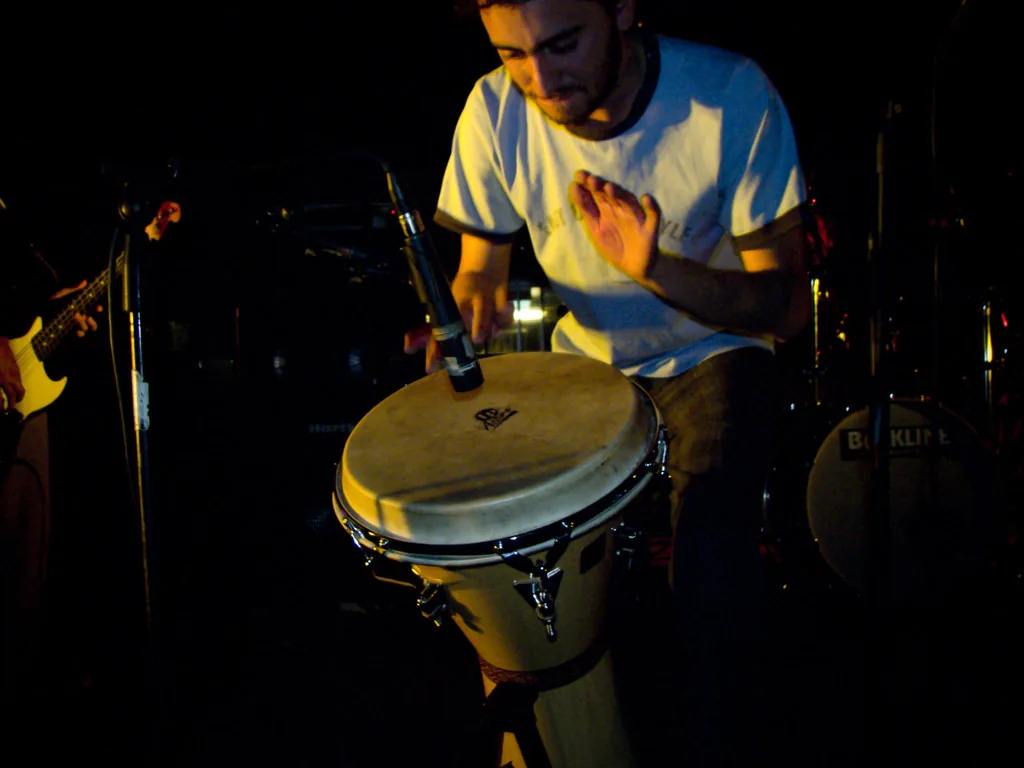
“Incorporating the djembe into our group truly transformed our sound. Its captivating rhythms and tonal nuances gave our music an entirely new dimension, and we were able to explore new sonic possibilities. It energizes our compositions and gives our audience a distinctive musical experience.” — David, member of a professional musical ensemble
Tips for incorporating the djembe into your musical ensemble
Follow a few practical tips to bring the djembe into your musical ensemble harmoniously. Musical balance and communication among group members are essential for creating musical cohesion.
-
Define the djembe’s role:
Before incorporating the djembe, decide what role it will play in your ensemble. Will it support the basic rhythm or add rhythmic nuances and variations? Clarifying this will help you fit it into your arrangements.
-
Become familiar with djembe playing techniques:
To make full use of the djembe’s potential, it is important to master the appropriate playing techniques. Learn the different types of strokes, sounds, and rhythms associated with the instrument. This will help you bring an authentic, fluid touch to your music.
-
Encourage discussion and collaboration:
Encourage members of your ensemble to share ideas and collaborate as you bring in the djembe. Set aside time for improvisation and rehearsals devoted to developing arrangements that make the most of everyone’s skills and ideas.
-
Experiment with other instruments and musical genres:
To create musical balance, experiment with other instruments and genres. Try pairing the djembe with guitar, bass, or piano, and explore different musical influences to create distinctive atmospheres.
-
Adapt the structure of your pieces:
Consider designing song structures that give the djembe a place. Include passages where it can be heard clearly and show its rhythmic range. Vary the intensity and dynamics to create engaging arrangements.
By following these tips and keeping musical balance in mind, you can bring the djembe naturally into your ensemble alongside its other instruments. A well-integrated djembe can enrich your music and create a more immersive artistic experience for you and your audience.
“The djembe is more than just an instrument; it is a link between people, nature, and music.” — Babatunde Olatunji
For a closer look at how to incorporate the djembe into a musical ensemble, see the following table:
| Musical genre | Strategies for incorporating the djembe |
|---|---|
| Jazz | Use the djembe to add African rhythms and percussion improvisation. |
| Folk | Incorporate the djembe to add a distinctive character and lively rhythms. |
| World music | Explore musical styles from around the world by pairing the djembe with other traditional instruments. |
| Fusion | Create distinctive fusions by pairing the djembe with genres such as reggae, funk, or hip-hop. |
Remember that musical balance is essential to incorporating the djembe smoothly and effectively. Take time to explore different approaches to incorporating it and find those that best suit your musical style and ensemble.
Conclusion
Incorporating the djembe into musical ensembles offers many rewarding creative possibilities. With the tips and strategies in this article, you can explore musical diversity by bringing this distinctive percussion instrument into your music-making.
The djembe brings rhythmic richness and musical energy to your compositions, helping create a strong sense of musical balance. By choosing the learning method that suits you best and working to incorporate the instrument naturally, you can enjoy its full range of benefits.
We encourage all musicians to keep exploring musical diversity and looking for creative ways to bring the djembe into their ensembles. Whether you play jazz, rock, traditional African music, or other genres, the djembe can add a distinctive dimension to your music. So experiment and let your musical creativity flow as you bring the djembe into your compositions.
FAQ
How can I incorporate the djembe into a musical ensemble?
To incorporate the djembe into a musical ensemble, it is essential to understand the basics of this African percussion instrument. You can start by learning fundamental djembe techniques and the rhythms associated with it. Then work with the other ensemble members to find a harmonious place for its sound in your music. For example, you can explore how the djembe works with other instruments or adapt existing arrangements to include it.
What are the benefits of incorporating the djembe into a musical ensemble?
Incorporating the djembe into a musical ensemble brings distinctive rhythmic richness and musical energy. It adds a particular sound to compositions and can create a livelier, more energetic atmosphere. Including the djembe also lets you explore musical diversity by bringing in elements of African music. It gives ensemble members a rewarding artistic experience as they develop their ability to adapt and collaborate.
Where can I learn to play the djembe?
There are several ways to learn to play the djembe. You can look for training programs or classes taught by qualified teachers in your area. Many teachers also offer online classes, allowing you to learn at your own pace. Free online resources, such as video tutorials and sheet music, can also help beginners. Whatever learning method you choose, it is important to practice regularly and stay motivated.
How can I incorporate the djembe into different musical styles?
To incorporate the djembe into different musical styles, it is important to understand what distinguishes each style and draw inspiration from its playing techniques and rhythms. In jazz, for example, you can use the djembe to improvise solos or play syncopated rhythms. In rock, it can add rhythmic texture and a driving pulse. In traditional African music, you can learn specific traditional rhythms and incorporate them into your djembe playing.
What advice do you have for bringing the djembe naturally into a musical ensemble?
To bring the djembe naturally into a musical ensemble, work on musical balance and communication with the other members. Listen carefully to the other instruments and adjust your playing accordingly. Look for opportunities to interact musically with others, whether by supporting the rhythm or taking a solo. Stay open to experimentation and new musical ideas. The key is to work together to create music as a group.