
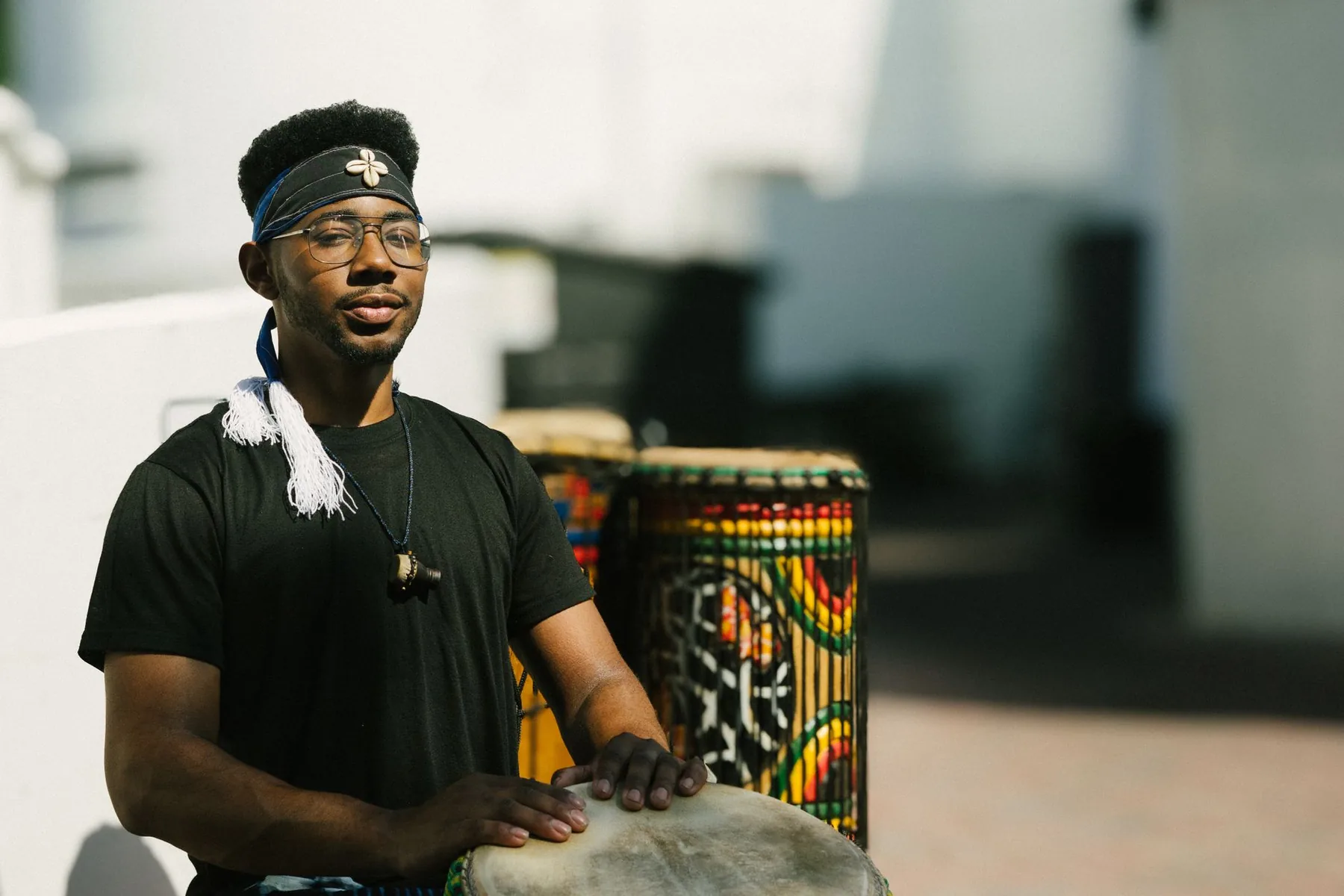
Tips for African percussionists
Our passion
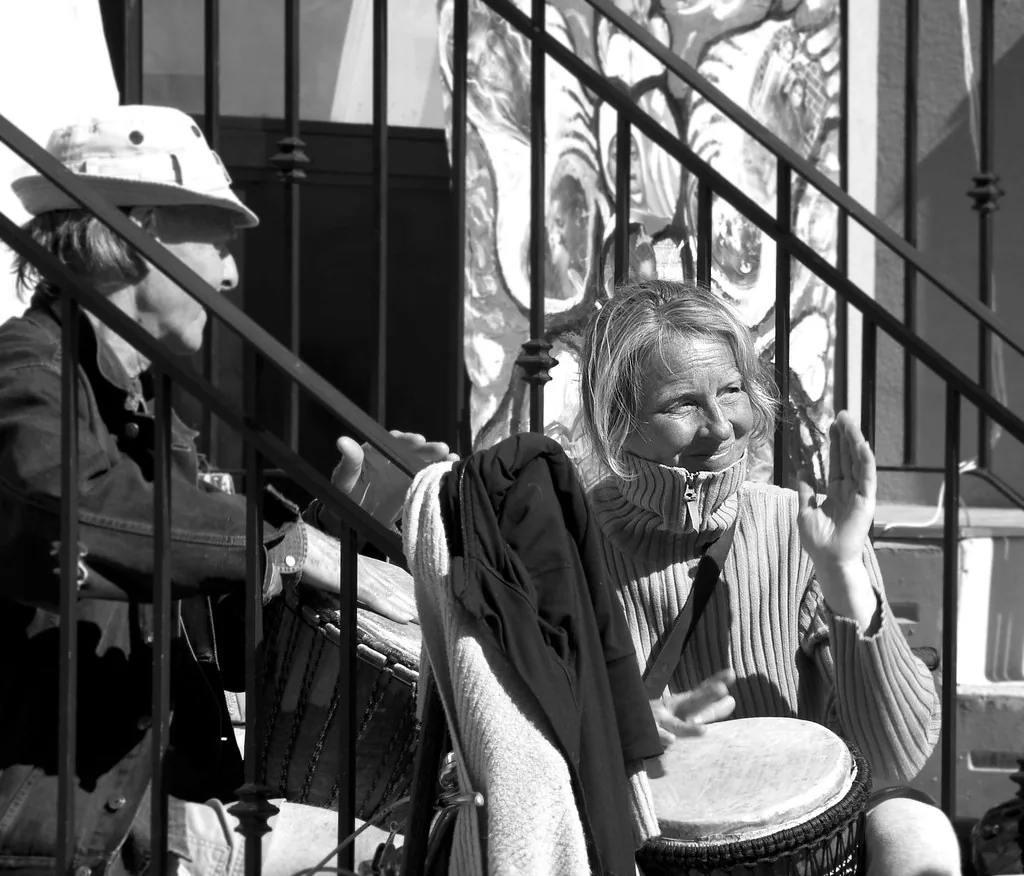
We are a passionate team dedicated to the art and culture of the djembe. Our love for this instrument transcends borders and cultures. With its captivating rhythms and rich history, the djembe is much more than a musical instrument. It is a link to our ancestors, a voice for expression, and a bridge between people. We firmly believe in its power to bring people together and transform lives.
Through our blog, we hope to share this passion, celebrate the richness of the djembe, and offer valuable advice to all percussionists, whether beginners or experienced players.
History of the djembe
Explore the fascinating origins of this instrument, its traditions, and its evolution through the ages.
Tutorials and playing tips
Practical guides to improve your technique, master traditional rhythms, and explore new variations.
Interviews with masters
Step into the world of djembe masters and discover their inspirations, challenges, and valuable advice.
What makes the djembe unique among percussion instruments?
Originating in West Africa, the djembe is much more than a percussion instrument. It stands apart from other percussion instruments through the depth of its history, its musical versatility, and its cultural role.
First, the djembe is a symbol of tradition and a connection to African roots. Used for centuries in ceremonies, rituals, and celebrations, it embodies the culture and history of the peoples of West Africa. Every beat echoes the past and conveys stories, customs, and emotions.
Its construction also gives the djembe a distinctive sound and a wide range of tones. Made from a single hollowed tree trunk and covered with a goat or cow skin tightened by ropes, it produces deep, dynamic sounds. The combination of the right hand, responsible for low tones, and the left hand, which produces high tones, creates a harmonious balance that defines its unique sound.
Moreover, the djembe is an incredibly versatile instrument. It suits many musical styles, from traditional African rhythms to contemporary genres such as jazz, reggae, and even electronic music. Its ability to blend with other instruments and fit into different ensembles makes it a popular choice among artists and percussionists worldwide.
Finally, the djembe transcends cultural and linguistic boundaries to become a universal language of rhythm and expression. It brings people together, encourages collaboration, and celebrates cultural diversity. Playing the djembe goes beyond a musical performance: it is a sensory and emotional experience that creates connections between individuals and communities.
Thus, the djembe stands out among percussion instruments for its cultural heritage, distinctive sound, musical versatility, and power to bring people together. It continues to inspire and delight generations of musicians and listeners while retaining a central place in music around the world.
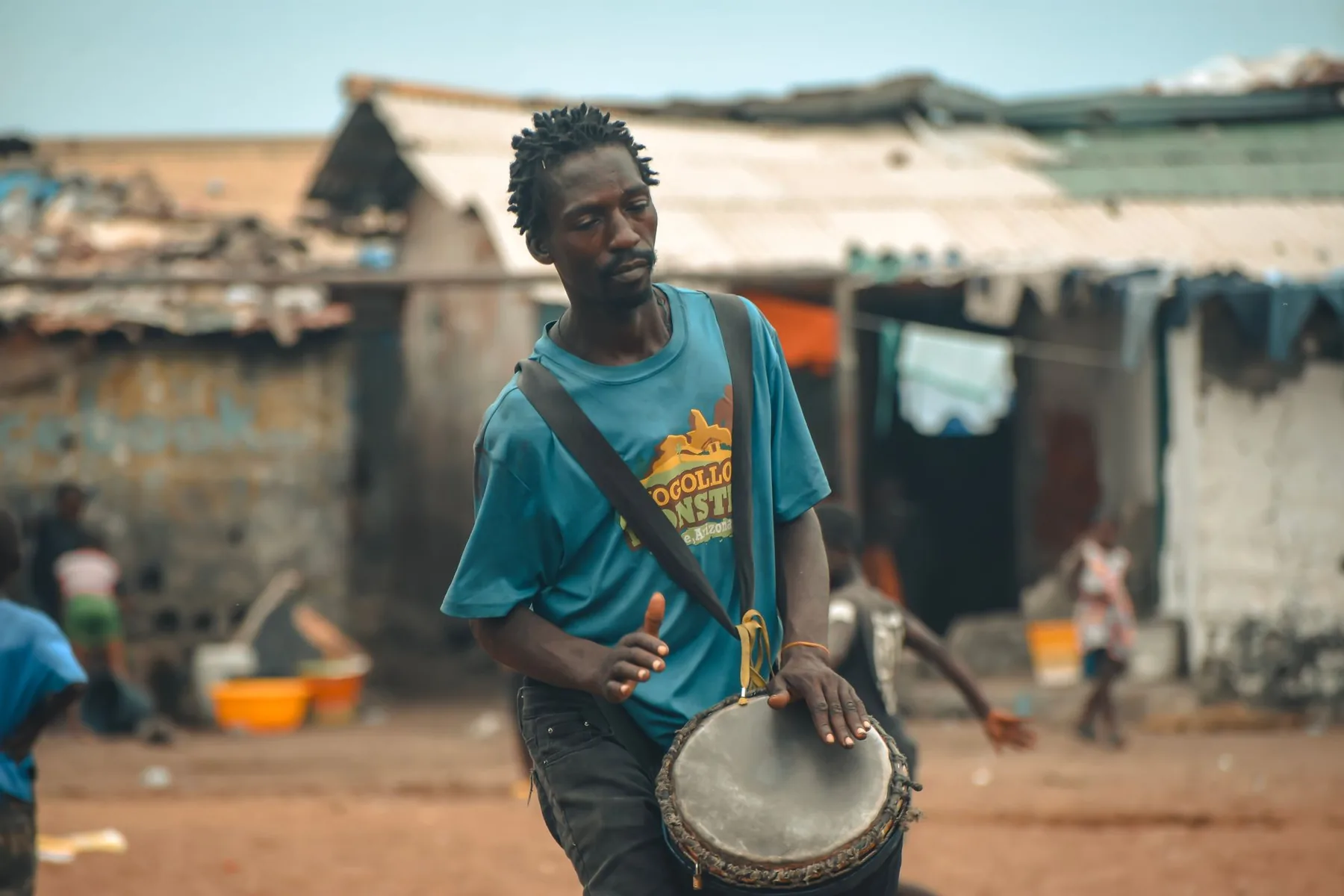
What basic rhythms should every beginner learn when playing the djembe?
For any beginner eager to discover the world of the djembe, a few basic rhythms provide an essential starting point for developing a solid understanding of the instrument and its musical possibilities.
- Djembe Bass: Djembe Bass is one of the most fundamental sounds. It is a deep, resonant stroke made with the palm in the center of the djembe. This sound forms the foundation of many compositions and anchors other rhythmic patterns.
- Tone: Tone is a clear, distinctive sound made by striking the djembe head with the fingers near its outer edge. This higher pitched sound complements Djembe Bass to create more complex rhythmic patterns.
- Slap: Slap is a percussive stroke made by quickly striking the djembe head with the fingers. It produces a sharp, high pitched sound that adds texture and dynamics to rhythms.
- Call and Response: This rhythmic pattern alternates between a leader, who plays a phrase, and the other percussionists, who respond by repeating or varying it. It helps develop listening, coordination, and group creativity.
- Traditional rhythms: In addition to basic techniques, beginners can explore traditional rhythms such as Kuku, Mendiani, Soli, and Dununba. Each rhythm has its own character, history, and nuances, offering a rich learning experience.
By practicing these basics regularly, beginners gradually develop the technique needed to play the djembe with precision and musicality. Practice also strengthens their sense of rhythm, hand coordination, and ability to improvise, all essential skills for growing as percussionists.
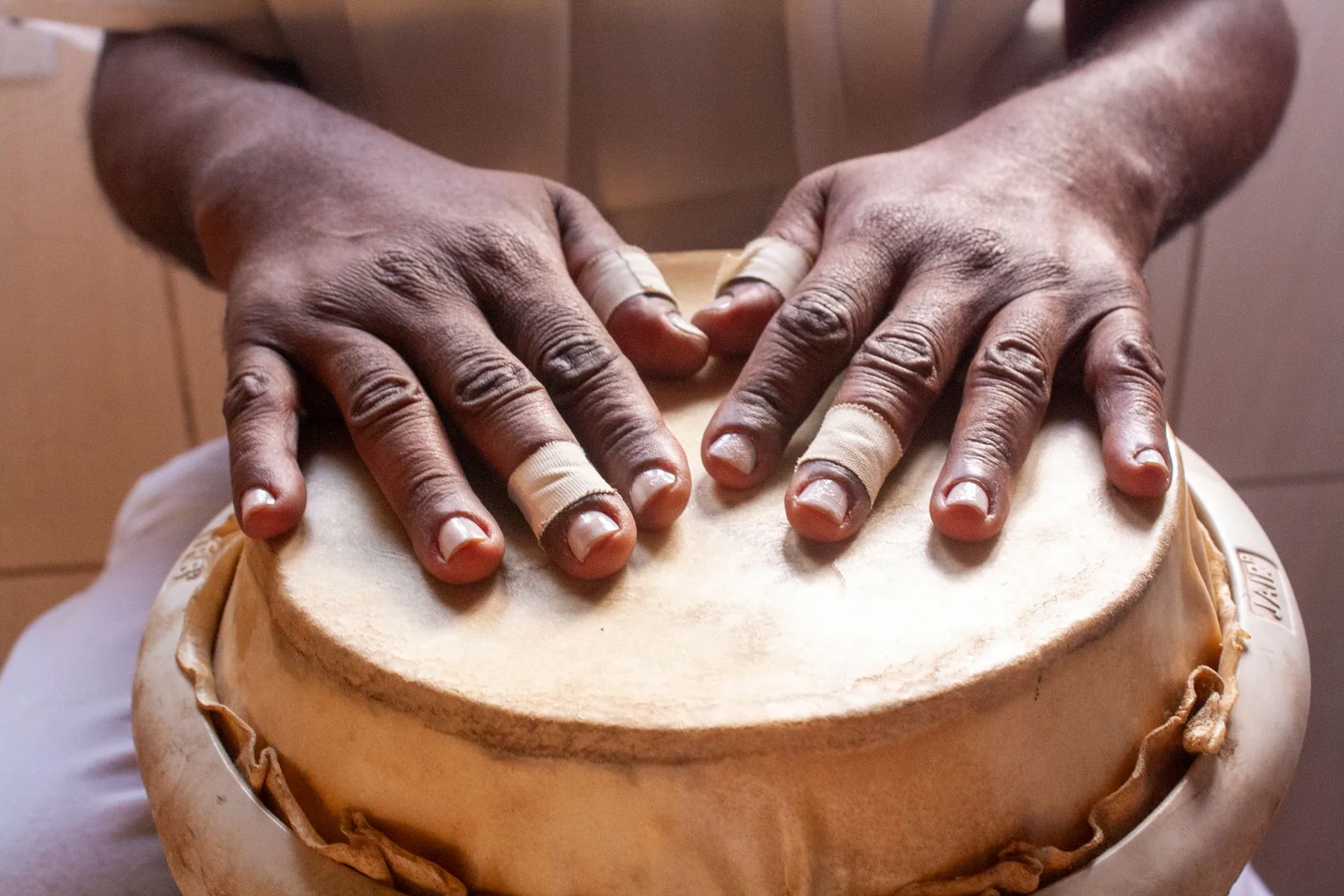
How can you maintain a djembe and preserve its sound quality over time?
To maintain a djembe’s sound quality and extend its life, a few simple but essential care practices are recommended.
First, protect the djembe from extreme conditions, such as excessive humidity or intense heat, which can damage the wood and skin. Store it in a dry place at a moderate temperature when you are not using it.
Next, clean the djembe head regularly with a soft, dry cloth to remove accumulated dirt and dust. Avoid chemicals and harsh solvents, which could damage it.
Also, tighten the djembe’s ropes regularly to maintain optimal tension in the head. Adjust them evenly to avoid distortion and an uneven sound.
Finally, periodically moisten the djembe head with water or vegetable oil to prevent it from drying out and cracking. This can help preserve its flexibility and resonance, maintaining the djembe’s sound quality over time.
By following these simple care tips, djembe owners can extend the life of their instrument and preserve its sound quality for many years, making for a rewarding musical experience.
How to Use a Tongue Drum During Meditation
Discover how to use a tongue drum during meditation to improve relaxation and concentration. A step-…
8-note tongue drum tutorial: very simple exercises
Learn to play the tongue drum with our 8-note tongue drum tutorial and very simple exercises. Ideal …
Playing film music on the tongue drum: where to start
Where should you start when learning to play film music on the tongue drum? Practical tips for a suc…
Tibetan Singing Bowls: Risks, Side Effects, and Precautions
Tibetan singing bowls: learn about possible risks and side effects, who may need extra care, and pre…
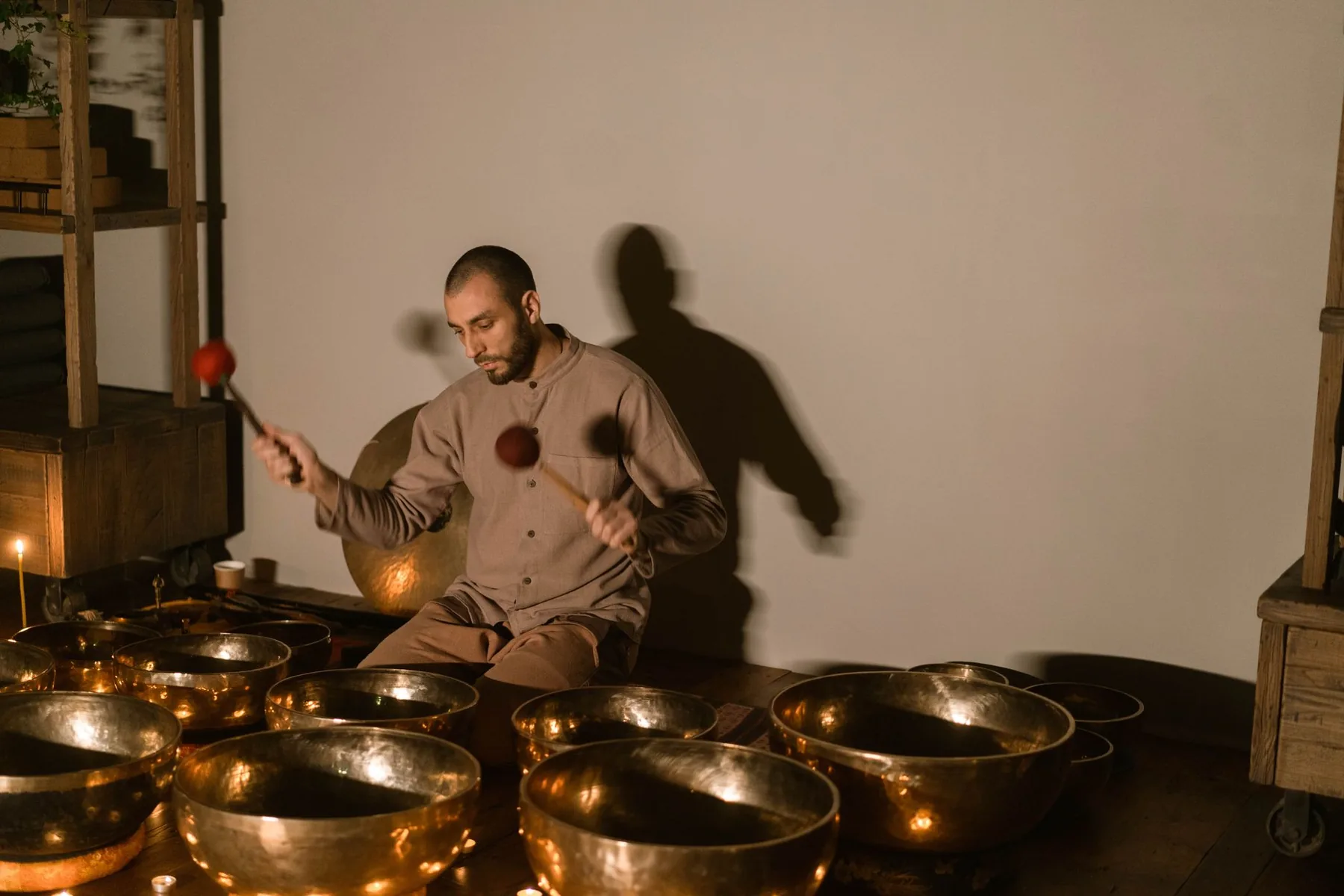
Benefits of Tibetan singing bowls: what can you really expect?
Benefits of Tibetan singing bowls: what can you really expect? Explore their effects and uses, and w…
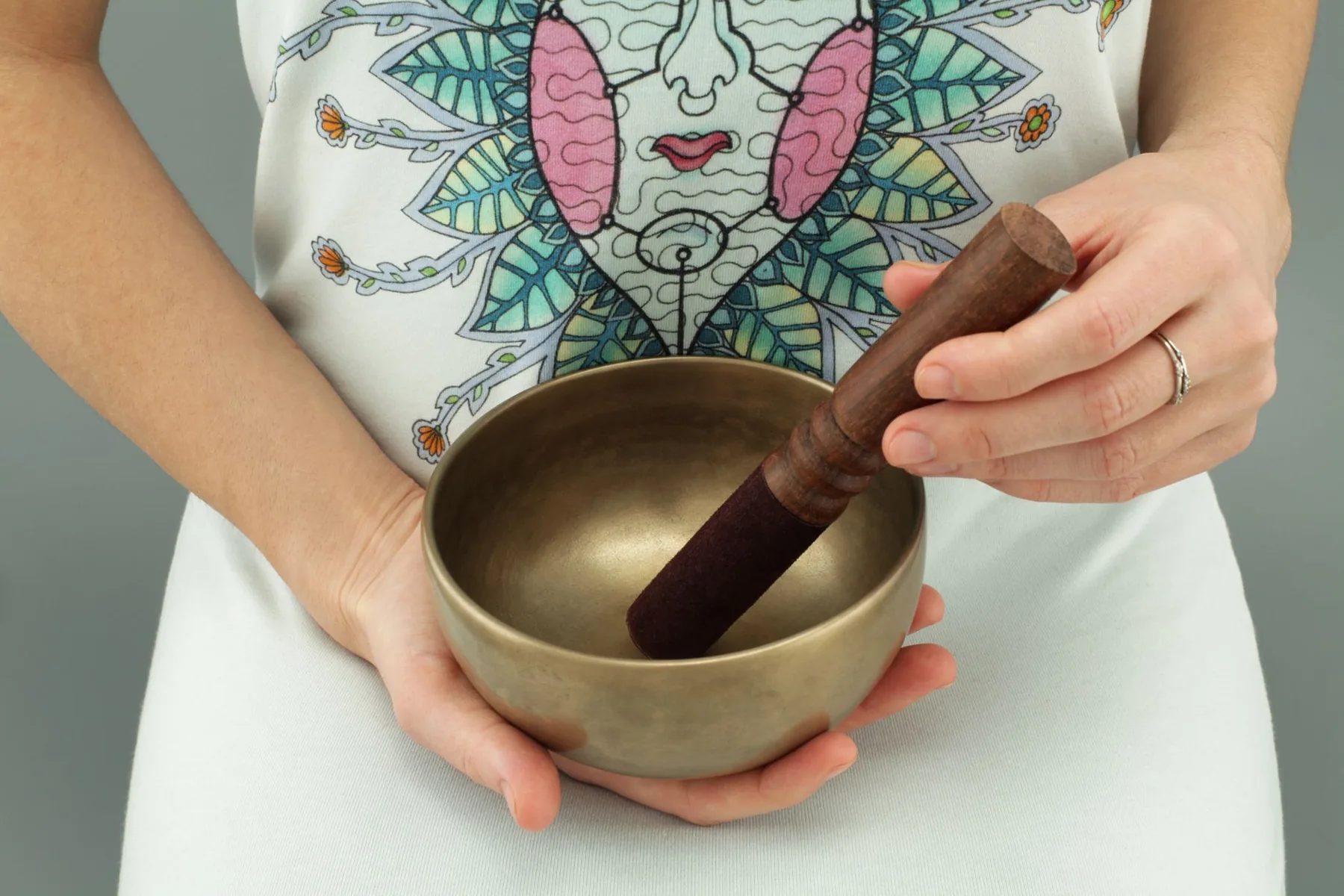
Tibetan Singing Bowl Prices: What Explains the Differences
Tibetan singing bowl prices: what explains the differences. Compare materials and quality to choose …