
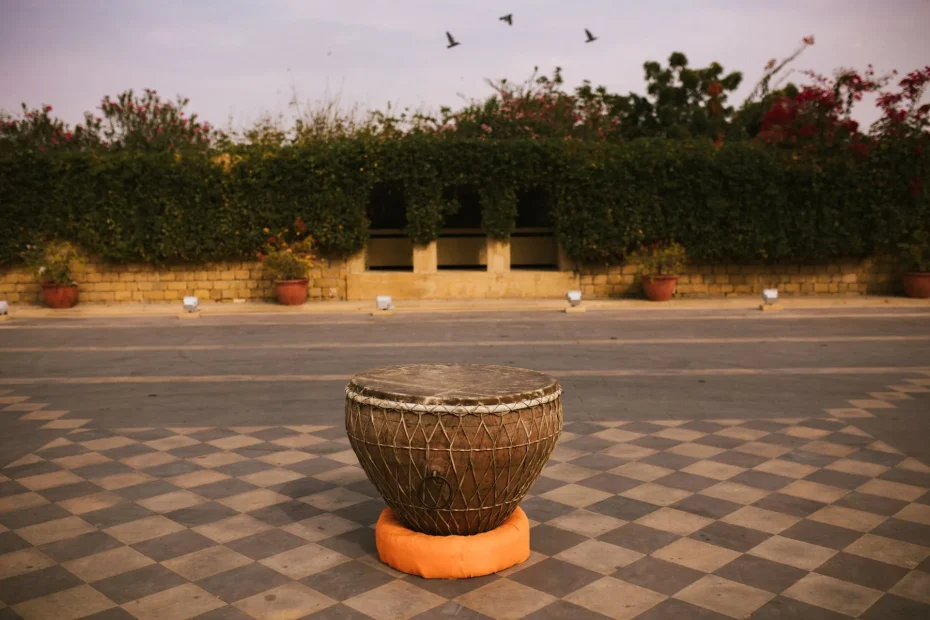
The djembe is a musical instrument used in music therapy to improve mental and physical health. It offers many benefits, and a range of practices make use of its therapeutic potential.
The djembe in music therapy creates a space for expression, communication, and connection with oneself and others. The djembe’s rhythms and resonant sounds can have a positive effect on mind and body, encouraging relaxation and the release of emotions.
The benefits of the djembe in therapy are numerous. Playing the djembe stimulates motor coordination, supports concentration and memory, and reduces stress and anxiety. Therapeutic djembe sessions can help restore emotional balance and strengthen self-esteem.
Djembe practices in music therapy vary. They may include breathing exercises, relaxation and meditation techniques, and group rhythm games. Musical improvisation with the djembe is also widely used to encourage self-expression and release creativity.
In conclusion, the djembe in music therapy is a powerful tool for improving health and well-being. Its captivating rhythms and ability to bring people together make it a distinctive therapeutic instrument. Whether in an individual or group session, the djembe offers a musical and therapeutic experience rich in emotion and connection.
Using the djembe in music therapy
The djembe plays an important role as an instrument in music therapy. Its percussive sounds can stimulate various brain functions and offer many therapeutic benefits.
The rhythms and sounds produced by the djembe are used to improve patients’ motor coordination. When they play the djembe, the hand and finger movements needed to produce different sounds help strengthen their overall motor coordination. This may be especially beneficial for people with movement disorders or physical impairments.
The djembe is also used to encourage relaxation. Its vibrations can have a calming effect on the body and help reduce stress and anxiety. Regular djembe playing may help release muscle tension and bring about a state of deep relaxation.
“The djembe has a powerful ability to convey emotions and facilitate self-expression. It offers a unique way to bring deep, unspoken feelings to the surface.”
By using the djembe as a therapeutic tool, therapists also encourage patients to express their emotions. The djembe’s rhythms and sounds can inspire creative expression and help people communicate their emotions without words. This may be especially beneficial for people who find it difficult to express their feelings through language.
In conclusion, the djembe is a versatile musical instrument that plays an important role in music therapy. Its percussive sounds support motor coordination and relaxation and help ease stress and anxiety. It also provides a means of expressing emotions and facilitates communication. The djembe is a powerful instrument that can help people connect with themselves and others.
| Benefits of the djembe in music therapy | Description |
|---|---|
| Improved motor coordination | The movements needed to play the djembe strengthen overall motor coordination. |
| Reduced stress and anxiety | The djembe’s rhythms and vibrations encourage relaxation and help ease stress and anxiety. |
| Emotional expression | The djembe offers a unique way to express deep emotions without words. |
| Easier communication | The djembe can help people communicate and interact with others without words. |
Benefits of the djembe in music therapy
Using the djembe in music therapy offers many benefits for mental and physical health. As a percussion instrument, the djembe can have positive effects on overall well-being.
The rhythm and vibrations produced by the djembe encourage the release of endorphins, sometimes called feel-good hormones. This may help reduce pain and physical discomfort, bringing a sense of well-being and relief. Therapeutic djembe sessions allow participants to connect with their bodies and relax deeply, which can help reduce stress.
The djembe can also benefit mental health. Therapeutic djembe sessions provide a space for free expression where participants can channel their emotions through music. Playing the djembe can help release emotional tension, ease symptoms of depression and anxiety, and improve self-esteem.
Alongside their emotional and physical benefits, therapeutic djembe sessions can have cognitive benefits. Rhythmic movements synchronized with the music stimulate concentration, memory, and coordination. Regular djembe practice may improve cognitive abilities and contribute to personal development.
“Playing the djembe as part of music therapy allows people to explore and release their emotions while stimulating body and mind. It is a holistic experience that encourages personal growth.”
In conclusion, therapeutic djembe sessions offer a distinctive experience centered on self-expression, relaxation, and cognitive stimulation. The positive effects of the djembe in music therapy on mental and physical health make it a valuable tool in the field.
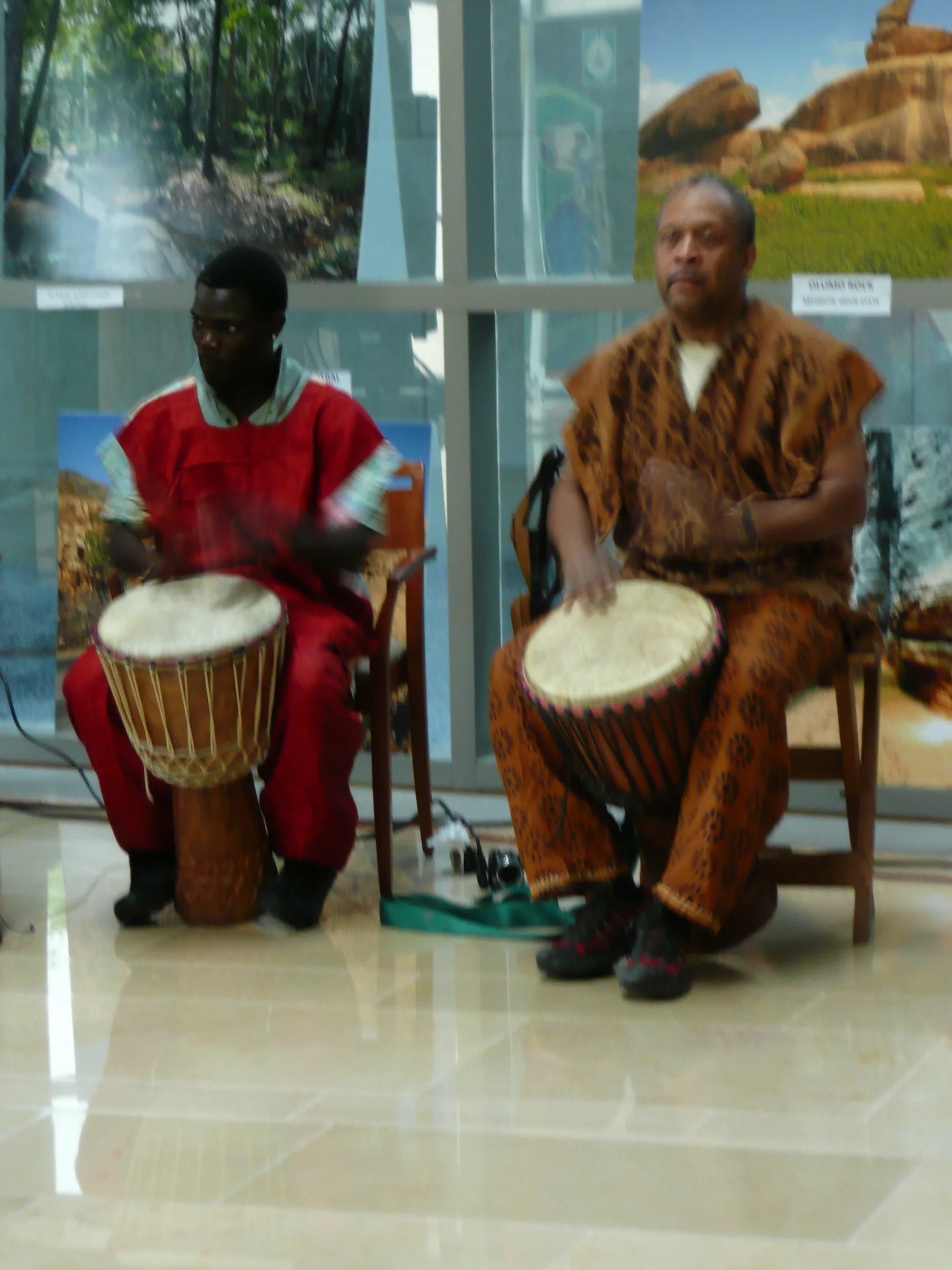
| Benefits of the djembe in music therapy | Effects |
|---|---|
| Endorphin release | Reduced pain and a sense of well-being |
| Relaxation | Reduced stress and anxiety |
| Emotional expression | Relief from symptoms of depression |
| Improved concentration | Cognitive stimulation and improved memory |
| Motor coordination | Development of physical skills |
Djembe practices in music therapy
The djembe is used in music therapy through a range of practices that draw on its therapeutic potential. These practices include:
- Instrumental improvisation: patients are encouraged to play the djembe freely and spontaneously, allowing their emotions to come through in the music.
- Singing and vocal techniques: as well as playing the djembe, patients can use their voices to sing or make vocal sounds in harmony with its rhythms.
- Composing music: some therapists encourage patients to compose their own pieces using the djembe, supporting self-expression and creativity.
Therapeutic djembe sessions may also include relaxation and meditation techniques to help patients unwind and focus on the sensations they experience while playing.
Therapists also emphasize playing the djembe in groups because it encourages social interaction and strengthens bonds between participants. Group drumming creates a sense of community and allows patients to share their musical experience with others.
Here is an example of a therapeutic djembe session:
The session begins with guided relaxation to help participants center themselves and unwind. Patients are then invited to play the djembe, following a basic rhythm set by the therapist. As the session progresses, they are encouraged to improvise and express their emotions through music. The session ends with time to relax and talk about the feelings and experiences that arose while playing.
These different djembe practices in music therapy allow patients to explore and develop their creativity, improve motor coordination and concentration, and encourage self-expression and social interaction.
The following table summarizes the different djembe practices in music therapy:
| Practices | Description |
|---|---|
| Instrumental improvisation | Patients play the djembe freely, allowing their emotions to come through in the music. |
| Singing and vocal techniques | Patients use their voices to sing or make vocal sounds in harmony with the djembe’s rhythms. |
| Composing music | Patients are encouraged to compose their own pieces using the djembe. |
| Group practice | Patients play the djembe in a group, encouraging social interaction and strengthening bonds between participants. |
| Relaxation and meditation techniques | Therapeutic djembe sessions may include relaxation and meditation techniques to help patients unwind. |
Combining these practices makes fuller use of the djembe’s therapeutic potential to improve mental and physical health.
The origins of music therapy and the djembe
Music therapy has ancient roots dating back to antiquity. Music has been used in various settings for its therapeutic effects, including improving mood, easing stress, and encouraging healing. Over time, music therapy developed into a recognized professional practice.
The djembe is a traditional instrument from West Africa. Initially used in ceremonies and celebrations, it gradually found a place in music therapy. Its rhythmic sound and powerful vibrations make it a valuable therapeutic tool.
Music is the universal language of the soul. It has the power to heal, comfort, and bring people together.
The djembe in music therapy: a meeting of influences
Combining music therapy and the djembe in a therapeutic setting brings cultural and scientific influences together. Traditional African djembe rhythms meet the therapeutic approach of music therapy to create a space for musical creativity and self-expression.
The djembe invites participants to explore their emotions, communicate through rhythm, and connect with their bodies. As a versatile musical tool, it allows for varied therapeutic activities tailored to each person’s needs and abilities.
Music therapy with the djembe is a journey through cultures and sounds, where healing and change take place through music and movement. This practice has roots in the long history of music and continues to develop in a modern world seeking additional therapeutic approaches.
| Benefits of music therapy with the djembe | Origins of the djembe in therapy |
|---|---|
| Improved mood | Traditional use in African ceremonies |
| Reduced stress and anxiety | Gradual integration into music therapy over time |
| Greater emotional expression | A meeting of cultural and therapeutic approaches |
| Stimulation of creativity | The evolving use of the djembe in therapeutic settings |
Music therapy and neuroscience
Neuroscience research has demonstrated that music therapy affects the brain. Music can activate different brain regions, stimulating the production of neurotransmitters and supporting neuroplasticity. These effects can benefit mental and physical health.
The effects of music on the brain are varied. Music can support cognition by stimulating memory, learning, and attention. Music therapy may also have a positive effect on mood by encouraging the release of endorphins, chemicals associated with well-being. In addition, music can help develop motor abilities by stimulating coordination and synchronized movement.
“Music therapy is a powerful tool for stimulating the brain and supporting its functioning.”
Dr. Marie Dupont, neuroscientist
The effects of music therapy on the brain can be observed at different levels. It may improve memory and the recognition of emotions, which can be especially beneficial for people with neurological conditions such as Alzheimer’s disease. Music can also evoke strong emotions, making them easier to express and helping to ease stress and anxiety.
Brain regions activated by music therapy
Different brain regions are activated when people listen to and make music. These include:
| Brain region | Functions stimulated |
|---|---|
| Frontal lobe | Cognitive control, decision-making, emotions |
| Temporal lobe | Auditory perception, memory, emotions |
| Limbic system | Emotion regulation, memory, pleasure |
| Motor cortex | Motor coordination, rhythmic movements |
Conclusion
In summary, the djembe in music therapy offers many benefits for mental and physical health. Its stimulating rhythms and captivating sounds can help ease stress, anxiety, and depression, encouraging deep relaxation. Practices such as instrumental improvisation and group sessions allow therapists and participants to explore the djembe’s therapeutic potential in different settings.
Music therapy as a whole is a holistic approach that can play an important role in improving quality of life. By using the djembe as a therapeutic tool, practitioners can encourage self-expression, strengthen motor coordination, stimulate creativity, and facilitate communication. The benefits extend beyond the musical experience, offering people a chance to connect with themselves and others in a deep and meaningful way.
In conclusion, the djembe in music therapy offers a way to explore and reveal music’s healing potential. Whether you are a therapist or simply interested in the benefits of music therapy, incorporating the djembe into your practice or daily life may bring physical, mental, and emotional benefits. Discover what the djembe can offer and consider making it part of your own journey toward healing and personal growth.
FAQ
What are the benefits of the djembe in music therapy?
The djembe in music therapy offers many benefits for mental and physical health. It can help ease stress, anxiety, and depression; encourage relaxation; improve motor coordination; support emotional expression; and facilitate communication.
How is the djembe used in music therapy?
The djembe is used as a musical instrument in therapy to stimulate various brain functions. It can be used for instrumental improvisation, singing and vocal techniques, composing music, and group sessions that encourage social interaction and strengthen bonds.
What are the effects of the djembe in therapy?
The djembe in music therapy may help ease stress, anxiety, and depression; encourage relaxation; improve concentration, memory, and coordination; and stimulate self-expression.
What djembe practices are used in music therapy?
Djembe practices in music therapy include instrumental improvisation, singing and vocal techniques, composing music, group sessions, and relaxation and meditation techniques.
What are the origins of music therapy and the djembe?
Music therapy has ancient roots dating back to antiquity. The djembe is a traditional instrument from West Africa, initially used in ceremonies and celebrations. Its therapeutic use developed over time.
How does music therapy relate to neuroscience?
According to neuroscience research, music therapy affects the brain. Music can activate different brain regions, stimulate the production of neurotransmitters, and support neuroplasticity, with potential benefits for cognition, mood, memory, and motor abilities.
What are the benefits of music therapy for other conditions?
Music therapy is used in the treatment of various conditions, including autism, depression, and attention disorders. It may help improve communication, reduce anxiety, encourage emotional expression, and stimulate creativity.
What are the benefits and practices of the djembe in music therapy?
The djembe in music therapy offers many benefits for mental and physical health. Its stimulating rhythms and sounds may help ease stress, anxiety, and depression and encourage relaxation. Practices include instrumental improvisation, group sessions, and relaxation and meditation techniques. Music therapy as a whole is a holistic approach that can play an important role in improving quality of life.