
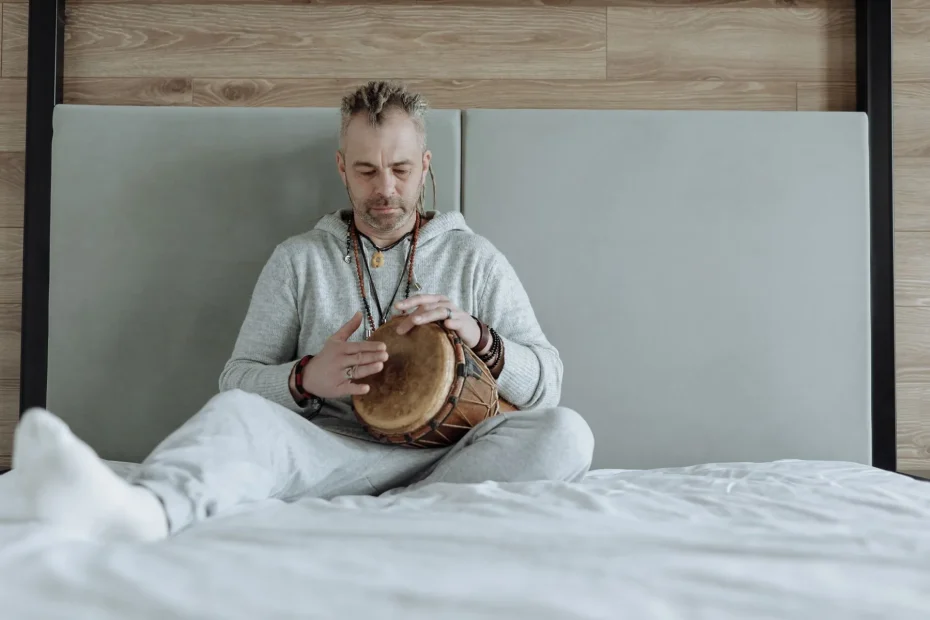
Welcome to our complete guide to learning to play the djembe, a fascinating percussion instrument from West Africa. Whether you are a beginner or want to improve your skills, we are here to help you begin your musical journey.
First, it is essential to become familiar with the basics that will help you progress. We will offer valuable advice on choosing the right instrument, understanding basic techniques, finding online resources, and taking part in rewarding workshops.
Learning to play the djembe may seem daunting at first, but do not worry: with a little practice and perseverance, you will soon make progress. So pick up your drum and join us on this rhythmic adventure!
Choosing the right instrument
Choosing a suitable djembe is a crucial first step. Several factors matter, including the size of the djembe, its material, and its tuning. These affect both the sound it produces and how comfortable it is to play.
Djembe size
The size of the djembe matters because it should suit your build and physical strength. Djembes come in different sizes, from smaller models suited to children or smaller players to larger models intended for stronger players. Choose a size that lets you hold the instrument comfortably between your legs and strike the drumhead without tiring quickly.
Djembe material
The material of the djembe can affect its sound, durability, and weight. Traditional djembes are made of solid wood, including teak, lenke, or djalla. These woods offer a warm, deep resonance but can be heavier. If you want a lighter djembe, synthetic or fiberglass models are easier to carry. Each material has its own sound, so choose one that suits your preferences and playing style.
Tuning the djembe
Tuning the djembe is crucial to producing clear, distinct sounds. Check the instrument’s tuning before buying it. A well-tuned djembe will produce deep bass notes, clear tones, and crisp slaps. If you are unsure how to tune a djembe yourself, ask a professional or a specialist seller for advice.
When choosing your djembe, take time to try different models, feel the resonance of the wood, or assess how light the synthetic materials are. Make sure the size of the djembe suits your build, and check its tuning to get the best possible sound. Choosing the right instrument will help you progress quickly and fully appreciate the beauty of this African percussion instrument.
Djembe basics
To play the djembe, it is important to adopt a comfortable, relaxed posture. Sit on a chair without armrests and hold the instrument between your legs. Good posture gives you better control of the djembe and helps prevent muscle tension.
Hand position is also crucial for producing different sounds. Strike the drumhead with the appropriate parts of your hands. For bass strokes, for example, use the palm near the wrist; for tones, use slightly curved fingers. Slaps can be made by striking the drumhead with your fingers or the edge of your hand. Try different hand positions to discover the range of sounds the djembe can produce.
Basic djembe rhythms are essential for developing good technique. Here are some commonly used rhythms:
- Djembe dununba: a basic rhythm with regular bass strokes.
- Djembe sangban: a rhythm with accented tones.
- Djembe kenkeni: a light rhythm with quick, gentle strokes.
Once you have mastered these basic rhythms, you can begin building more complex compositions and experimenting with your own playing style.
“Learning the djembe depends on consistent practice and exploring its different sounds. Take time to experiment with your posture and hand position, and let the instrument’s rhythm and musicality guide you.” — Mamadou Doumbia, professional percussionist
Regular practice and exploration of the djembe’s basic techniques are essential for improving as a player. Keep practicing, immerse yourself in the music, and play with passion to develop your own style and sense of rhythm.
Examples of basic djembe rhythms:
| Rhythm | Description |
|---|---|
| Djembe dununba | Rhythm with regular bass strokes |
| Djembe sangban | Rhythm with accented tones |
| Djembe kenkeni | Light rhythm with quick, gentle strokes |
Tips for good posture and effective hand placement:
- Sit on a chair without armrests to maintain a comfortable, relaxed posture.
- Hold the djembe steadily between your legs.
- Use different parts of your hands to produce different sounds.
- Try different hand positions to discover new sounds.
Online resources for learning the djembe
The internet is full of resources for learning the djembe online. Whether you are a beginner or want to improve your skills, many tutorials, lessons, and videos can help you progress.
Djembe tutorials on YouTube
YouTube channels specializing in djembe tutorials are excellent resources for beginners. They offer a wide variety of lessons for every level. Popular channels include “Djembé Academy,” “Djembé Lessons,” and “Drumming Lessons.” These online tutorials let you learn basic techniques, rhythms, and practice exercises at home.
Online learning platforms
Besides YouTube tutorials, there are platforms dedicated to learning the djembe online. Sites such as Pratiquetv and Bala Land offer video lessons taught by experienced professionals. These courses guide you through different learning levels and provide advice and practical exercises to improve your playing. Use these platforms to deepen your knowledge and explore new techniques.
Online workshops and in-person courses
If you want a more interactive experience, you can join online or in-person djembe workshops and courses. L’Atelier Koradjembe offers workshops and courses led by experienced professionals, where you can gain new skills and meet other djembe enthusiasts. These sessions offer a valuable chance to improve, practice in a group, and connect with other musicians.
| Resource | Description |
|---|---|
| YouTube | Djembe tutorials for all levels and free online lessons |
| Pratiquetv | Online learning platform offering video lessons |
| Bala Land | Online learning site offering djembe lessons |
| L’Atelier Koradjembe | Online and in-person workshops and courses led by professionals |
Whether you prefer to learn independently through online tutorials or join guided workshops and courses, online resources for learning the djembe are plentiful. Explore these options to find those that best suit your learning style and goals. With regular practice and the help of these resources, you will improve your djembe playing and develop your talents.
Taking part in workshops and courses
Although online resources are valuable, joining djembe workshops and percussion courses is a rewarding experience. These events let you practice the djembe in a group, connect with other musicians, and receive personalized guidance. Joining a percussion group or cultural association is also a good way to improve and share your skills.
Group practice and connecting with other musicians
Taking part in djembe workshops and percussion courses lets you practice your instrument in a group, which is essential for developing your sense of rhythm and your ability to play in harmony with other musicians. You can exchange advice, tips, and experiences with people who share your passion. This will also encourage you to challenge yourself and keep improving.
Personalized guidance
Djembe workshops and courses are often led by experienced percussion professionals. You will receive personalized guidance and advice suited to your level and needs. Teachers can help you refine your technique, deepen your understanding of rhythms, and develop your ability to play in a group.
Learning in a cultural context
Djembe workshops and courses involve more than learning the instrument: they also offer an opportunity to explore the cultural world of African music. You will discover percussion traditions, songs, and dances associated with the djembe. This can deepen your understanding of djembe playing and strengthen your connection with the instrument.
Comparison of djembe workshops and percussion courses
| Djembe workshops | Percussion courses | |
|---|---|---|
| Intended audience | Beginners and musicians of all levels | Intermediate to advanced musicians |
| Content | Introduction to djembe basics, simple rhythms, and group practice | Advanced technique, exploration of different percussion instruments, and collaboration with other musicians |
| Instruction | Experienced facilitators and enthusiastic teachers | Renowned master percussionists and experts in their field |
| Duration | A few hours to a few days | Several days to several weeks |
Practice regularly and persevere
The keys to learning the djembe are regular practice and perseverance. Make time to play and do not let difficulties discourage you. Progress can take time, but with perseverance and perhaps help from a teacher or more experienced friend, you can become a skilled player.
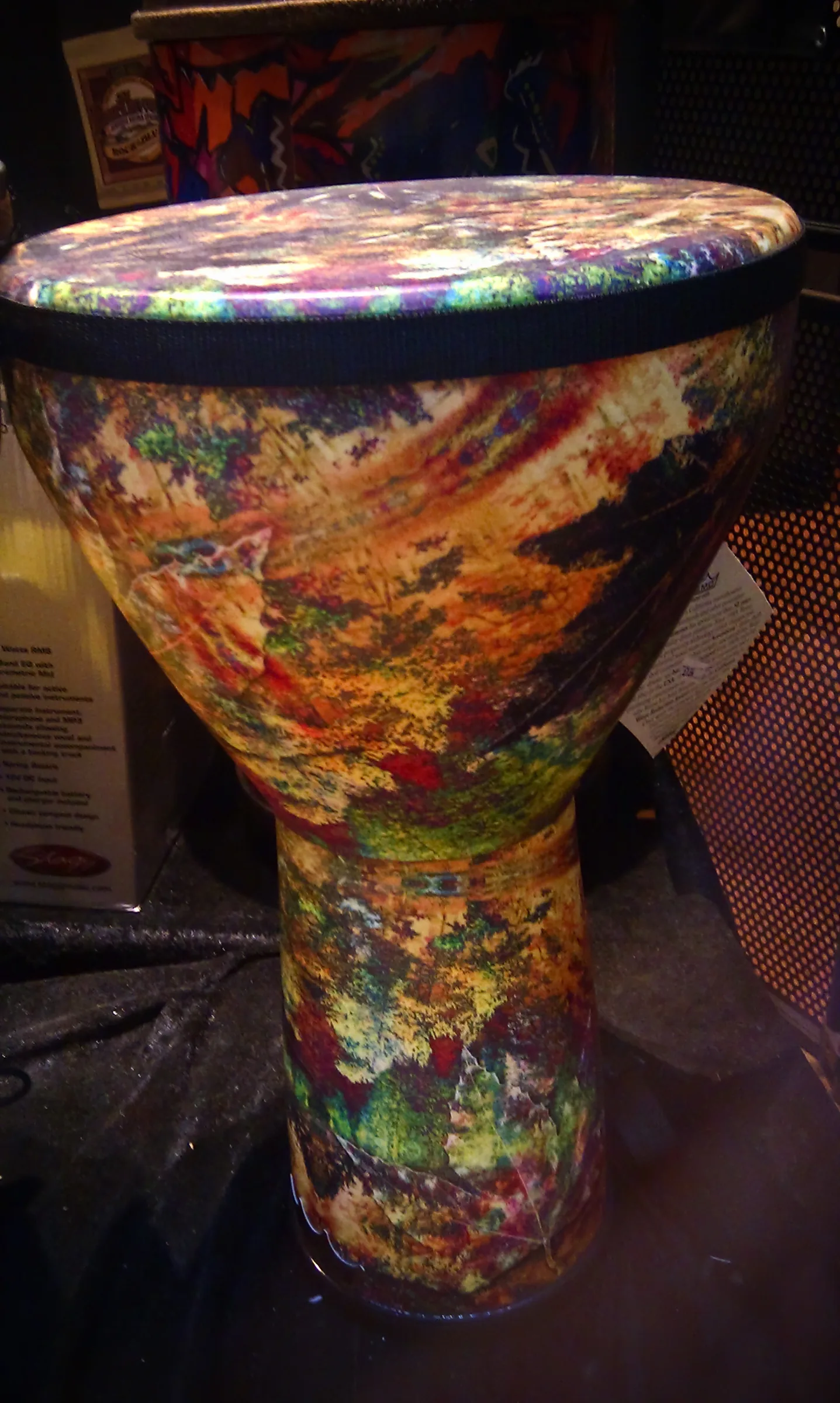
Regular practice improves your djembe technique, coordination, and musicality. Set aside time to play each day, even if only for a few minutes. Short daily sessions are better than occasional sessions lasting many hours. Perseverance is also essential: some techniques or rhythms may seem difficult at first but will become easier with time and practice.
“Practice makes perfect.” — French proverb
To support your progress on the djembe, a structured study plan can help. Start by mastering the basic rhythms and the bass, tone, and slap strokes. Then move on to more complex rhythms and explore different musical styles. Work on sequences and transitions between rhythms to play more smoothly.
Tips for effective practice:
- Set a regular time for daily practice.
- Vary your rhythms and exercises to stay interested and motivated.
- Record yourself playing to assess your progress.
- Practice with other musicians to develop your listening skills and ability to play in a group.
- Do not be discouraged by difficulties: every step is a chance to learn.
Finally, seek inspiration and advice from experienced musicians. Workshops, masterclasses, and meetings with other percussionists can be very helpful to your progress. By practicing regularly and persevering, you can develop your djembe skills and fully enjoy African music.
| Benefits of regular practice and perseverance | Tips for improving on the djembe |
|---|---|
| Improved technique | Set a regular time for daily practice |
| Better coordination | Vary your rhythms and exercises to stay interested and motivated |
| Greater musicality | Record yourself playing to assess your progress |
| Improved command of rhythms | Practice with other musicians to develop your listening skills and ability to play in a group |
Additional tips
Along with the advice above, here are a few more ways to improve your djembe playing:
- Play in time: using a metronome or following a friend’s beat can help you maintain a steady tempo.
- Vary the force of your strokes: changing how hard you strike can create a wider range of sounds and emphasize certain beats for interesting effects.
- Play in a quiet place: practicing somewhere quiet helps you hear the djembe clearly and sharpen your musical ear.
Use these tips to improve your djembe playing and explore new sounds. Do not be afraid to experiment and let your creativity flow!
Conclusion
Learning to play the djembe takes time, patience, and regular practice. By following these tips and using the resources available online and in your community, you can make steady progress and enjoy playing this fascinating instrument. Remember to persevere and make the most of group playing to enrich your practice.
So begin your adventure in African percussion with the djembe! This exciting instrument lets you discover African culture, explore captivating rhythms, and share your passion with other musicians. Whether you are a beginner or want to improve, the djembe offers many opportunities for expression and learning.
Together, as a community of djembe players, we continue to explore the richness of African percussion, challenge ourselves, and create captivating music. Join us on this extraordinary musical journey, and let the rhythm of the djembe resonate within you as you share your passion with the world.
FAQ
How do I choose the right djembe to start with?
Consider the size of the djembe and choose a model that suits your build and physical strength. The material of the djembe also matters; models are available in solid wood or synthetic materials. In addition, check the djembe’s tuning to make sure it produces clear, distinct sounds.
What are the basics of playing the djembe?
To play the djembe, adopt a comfortable, relaxed posture, sit on a chair without armrests, and hold the instrument between your legs. Hand position is also crucial: strike the drumhead with the appropriate parts of your hands to produce different sounds. Basic djembe techniques include bass, tone, and slap strokes.
What online resources can help me learn the djembe?
The internet is full of resources for learning the djembe. Djembe tutorials on YouTube are an excellent place to start, with many channels offering lessons for all levels. Specialist platforms such as Pratiquetv and Bala Land also offer video lessons and advice to deepen your knowledge. L’Atelier Koradjembe offers online and in-person workshops and courses led by experienced professionals. Many sites also offer beginner lessons with simple exercises and detailed explanations.
How can I take part in djembe workshops and courses?
Djembe workshops and courses offer a rewarding experience. They let you practice in a group, connect with other musicians, and receive personalized guidance. Joining a percussion group or cultural association is another good way to improve and share your skills.
How can I practice regularly and keep going?
The keys to learning the djembe are regular practice and perseverance. Make time to play and do not let difficulties discourage you. Progress can take time, but with perseverance and perhaps help from a teacher or more experienced friend, you can become a skilled player.
What other tips can improve my djembe playing?
Along with the advice above, a few more tips can improve your djembe playing. Playing in time with a metronome or a friend’s beat can help you maintain a steady tempo. Varying the force of your strokes can broaden the range of sounds and emphasize certain beats. It is also helpful to play in a quiet place so you can hear the djembe clearly.
What is the main takeaway from learning the djembe?
Learning to play the djembe takes time, patience, and regular practice. By following these tips and using resources available online and in your community, you can make steady progress and enjoy this fascinating instrument. Remember to persevere and make the most of group playing to enrich your practice. So begin your adventure in African percussion with the djembe!