
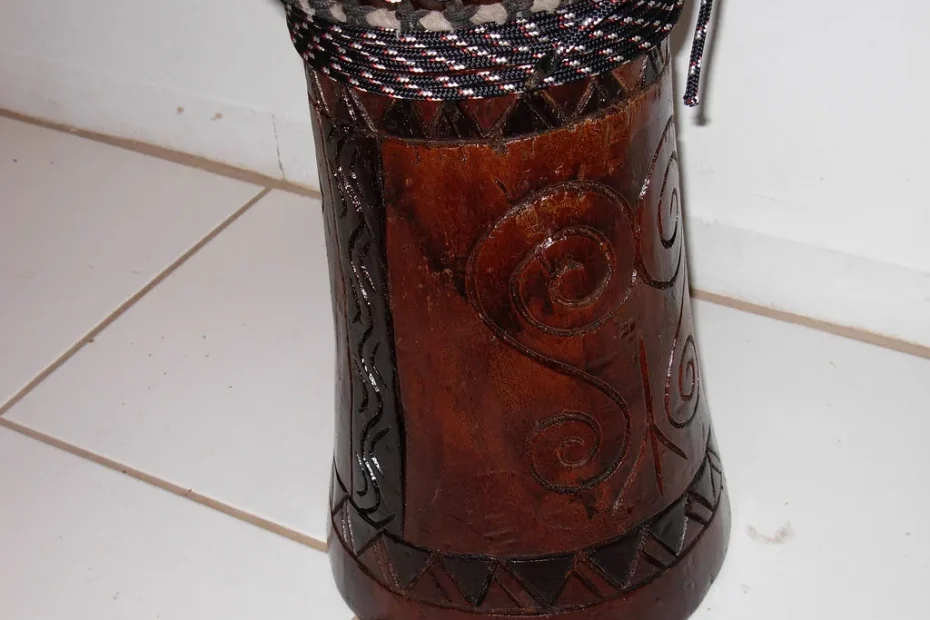
The djembe is a percussion instrument from West Africa. It is played with bare hands, and its versatile sound allows it to produce a wide range of tones. Traditional djembe rhythms vary among Africa’s regions and ethnic groups, creating a wealth and diversity of playing styles. Playing the djembe offers a way to explore these styles and immerse yourself in the traditions of African music.
Learning the djembe: playing techniques
Learning the djembe involves mastering several playing techniques. These include using the hands to produce sounds such as bass notes, tones, and slaps. It also requires hand coordination and rhythmic precision. By exploring these techniques, djembe players can develop their own style and immerse themselves in African rhythms.
Djembe playing techniques
To play the djembe skillfully, you need to master its different playing techniques. Here are some of the most common:
- Bass notes: Strike the center of the djembe head with the flat of your hand to produce a deep, low sound. This technique is often used to mark the strong beat of a rhythm.
- Tones: Strike the djembe head with your fingers near the edge to produce a midrange sound that adds texture and variety to the rhythm.
- Slaps: Strike the djembe head firmly with bent fingers to produce a sharp, high-pitched sound, ideal for adding rhythmic accents.
Beyond these basic techniques, there are many possible variations and combinations, allowing djembe players to develop their own style and musical expression.
Hand coordination and rhythmic precision
Hand coordination is an important part of learning the djembe. Players need to be able to play complex rhythmic patterns using both hands at the same time. Developing smooth, precise coordination takes training and practice.
Rhythmic precision is also crucial. Djembe players need to play accurately and maintain a steady tempo. This means developing a musical ear, a feel for rhythm, and the ability to listen closely.
To improve hand coordination and rhythmic precision, practice regularly with other musicians or with recordings of djembe rhythms. This helps you understand the groove and how musicians interact.
Learning djembe playing techniques is a rewarding adventure that lets musicians immerse themselves in Africa’s vibrant rhythms. Whether you are a beginner or an experienced player, exploring these techniques can help you bring the djembe to life and create compelling rhythms.
Traditional djembe rhythms
Traditional djembe rhythms are a treasure of African culture. They reflect the diversity of the continent’s regions and ethnic groups, with each rhythm carrying its own meaning and history. From the lively energy of Manding rhythms to the gentle melodies of Wolof rhythms, every beat of the drum resonates with the spirit of a people.
These traditional djembe rhythms are played at various events and ceremonies in African communities. Some celebrate weddings, births, or funerals, while others accompany rituals and religious practices. By playing these rhythms, musicians honor their ancestors and strengthen the bonds between them.
An introduction to the djembe offers a way to learn these traditional rhythms and discover African history and culture. Participants learn playing techniques, the meanings of the rhythms, and the importance of oral transmission in preserving the tradition. It is an immersive experience at the heart of African music.
Examples of traditional djembe rhythms:
| Rhythm | Region | Occasion |
|---|---|---|
| Dundunba | Guinea | Community celebration |
| Kuku | Mali | Ritual ceremony |
| Mendiani | Senegal | Wedding celebration |
| Diansa | Burkina Faso | Fertility celebration |
Each rhythm has its own language and dance. These rhythms tell stories and convey distinctive emotions. An introduction to the djembe lets you absorb this cultural richness and explore the depths of African music.
Explore traditional djembe rhythms and let the vibrations of African percussion carry you away. An introduction to the djembe is an invitation to discover a world of captivating rhythms and immerse yourself in Africa’s vibrant history.
Djembe lessons and workshops
To explore different djembe styles and improve your technique, you can take lessons or attend djembe workshops. Often led by African percussion professionals, they offer opportunities to learn traditional rhythms, try different playing techniques, and practice in a group. They welcome everyone, from beginners to experienced players.
Djembe lessons teach the fundamentals of the instrument, including different strokes and rhythmic techniques. Experienced teachers guide participants and share their knowledge and passion for African music. Whether you are a complete beginner or want to refine your skills, djembe lessons offer an immersive and rewarding learning experience.
Djembe workshops are an opportunity to explore the instrument in greater depth. They provide an intensive learning setting where participants can focus entirely on playing and exploring African rhythms. During a workshop, you can play with other musicians, exchange advice and ideas, and develop your own playing style. Whether you choose a one-day workshop or one lasting several weeks, you will leave with new skills and a better understanding of African musical culture.
Whether you choose regular lessons or occasional workshops, learning the djembe can develop your sense of rhythm, improve your hand coordination, and immerse you in the richness of African musical traditions. Whether you have long been interested in African percussion or simply want to discover a new instrument, djembe lessons and workshops offer a unique and enriching musical experience.
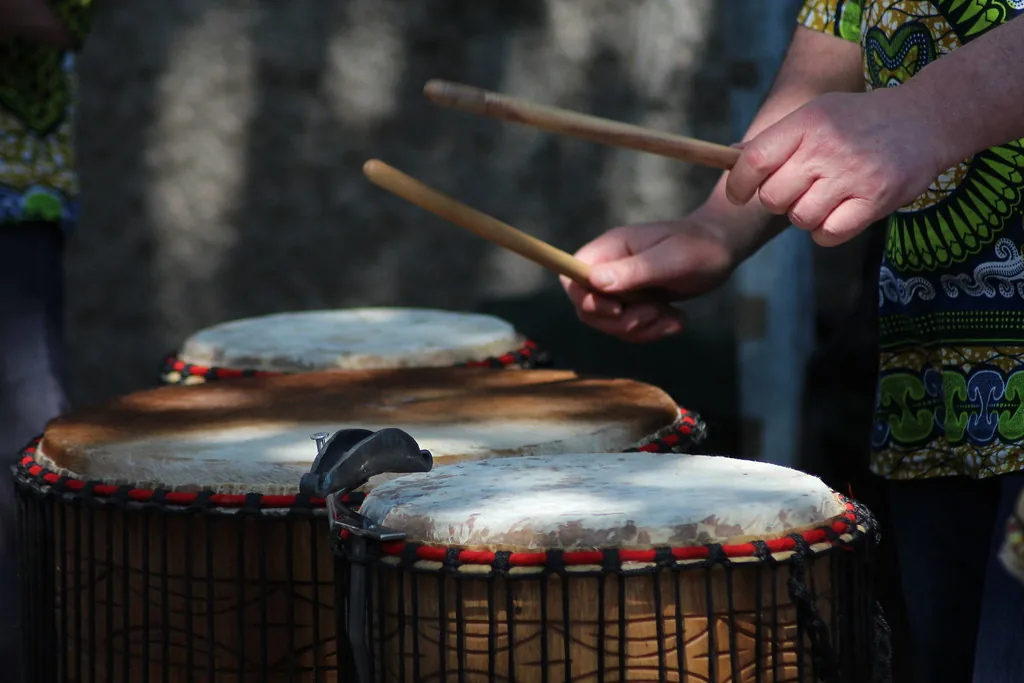
Some benefits of djembe lessons and workshops:
- Discovering traditional African rhythms
- Improving djembe playing technique
- Practicing and playing in an ensemble
- Exchanging ideas with other passionate musicians
- Exploring different playing techniques
- Discovering African history and culture
“Learning the djembe is about much more than learning to play a musical instrument. It means immersing yourself in a rich culture, history, and musical heritage. Djembe lessons and workshops offer a unique experience in which you can feel and share the exhilarating energy of African rhythms.” — Pierre, percussionist and djembe teacher
The djembe’s place in African music
The djembe has a central place in African music. This percussion instrument is used in many genres and styles, including Afrobeat, Afro-Cuban music, Afro-jazz, and traditional African music. Its distinctive sound and versatility make it one of African music’s most recognizable instruments.
The djembe adds an essential rhythmic and percussive dimension to these genres. It produces powerful, varied sounds that create a distinctive, engaging atmosphere. Played alongside other African percussion instruments, such as dununs, balafons, and batá drums, the djembe helps create complex, captivating rhythms.
African music is known for its diversity and rhythmic richness. The djembe is a key part of it and helps express African cultural identity around the world. Its influence is also heard in other musical styles, crossing cultural boundaries and adding an African touch to modern music.
“The djembe is the heartbeat of Africa. It resonates with the energy and passion of an entire continent.” — Mamady Keïta, djembe master
Exploring the djembe’s place in African music reveals the instrument’s importance in African culture and history. Its distinctive sound and rhythmic power make it a symbol of African musical identity.
The djembe’s influence on modern music
The djembe has also left a lasting mark on modern music around the world. Many artists and bands incorporate its captivating rhythms and djembe playing techniques into their compositions, adding an African dimension to their music.
In genres such as jazz, rock, pop, and even electronic music, the influence of the djembe and African percussion can be heard. African rhythms bring distinctive, engaging sounds that enrich the musical texture of these varied genres.
The djembe therefore plays an important role in creating new sounds and contributes to the continuing evolution of modern music.
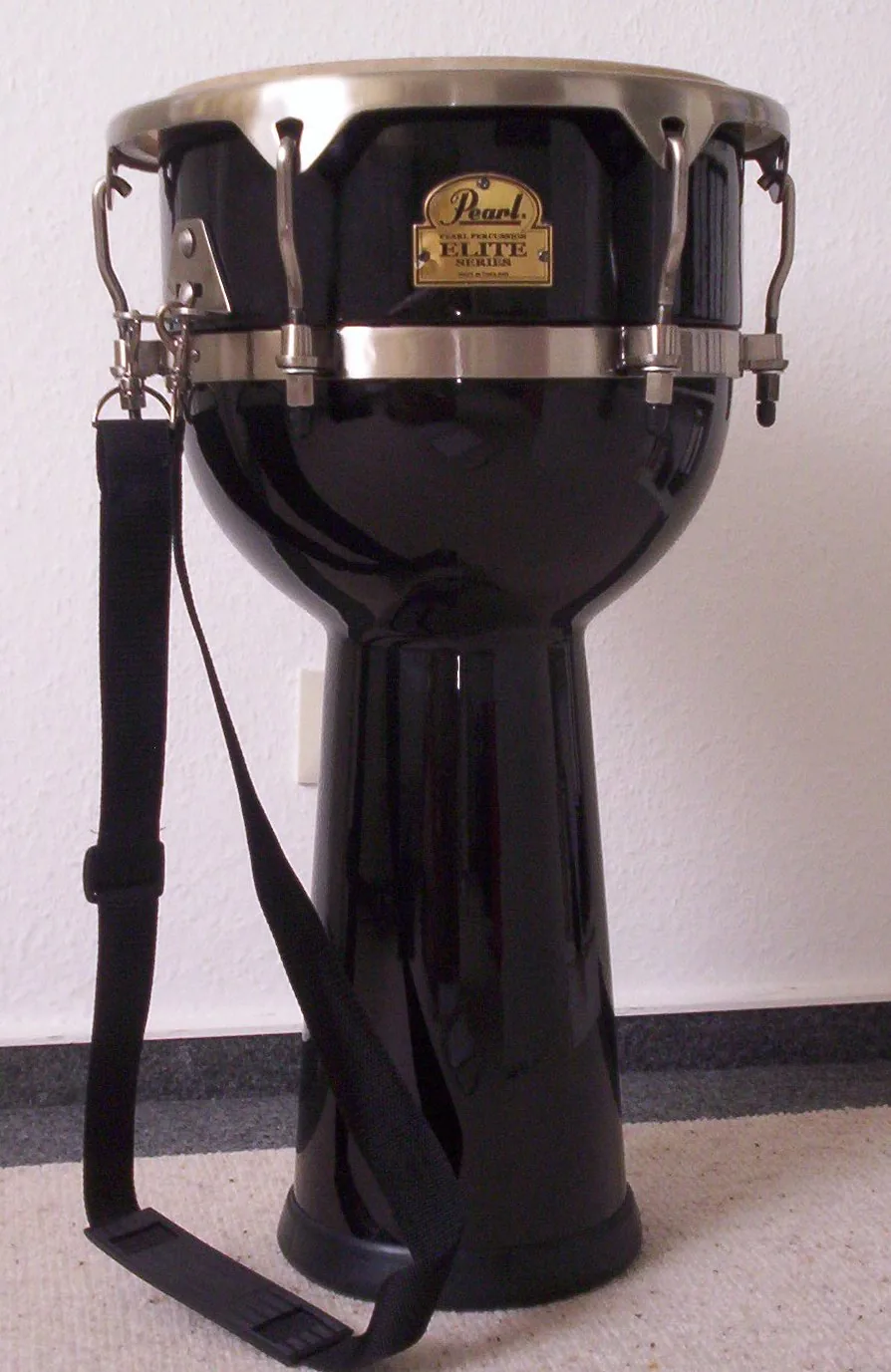
The djembe’s influence on jazz and rock
“The djembe is a powerful, expressive instrument that brings a distinctive rhythmic dimension to jazz and rock. In jazz, it can provide a solid rhythmic foundation and add syncopated accents to improvisation. In rock, its captivating rhythm creates a driving, energetic atmosphere.”
The djembe’s inclusion in contemporary music shows its cultural impact and its power to inspire musical creation. Its influence continues to evolve and reach more artists and genres around the world, adding to the diversity of modern music.
Conclusion
Exploring the different styles of the djembe is an exciting musical adventure. From traditional African rhythms to its place in modern music, the djembe brings rhythmic and cultural richness. By learning playing techniques, discovering traditional rhythms, and exploring the djembe’s place in African music, players can immerse themselves in this musical tradition and create their own style.
Whether through lessons, workshops, or simply playing with other musicians, exploring djembe styles offers an unforgettable rhythmic experience. Djembe rhythms vary among Africa’s regions and ethnic groups, allowing players to discover a diversity of sounds and connect with the essence of African music.
African music is rich in diversity and rhythm, and the djembe is a key part of it. Its influence can be heard in many musical genres around the world, to which it brings a captivating African dimension. By exploring different djembe styles, music lovers can discover and appreciate African music while enriching their own musical expression.
FAQ
What are djembe rhythms, and how can I explore them?
Djembe rhythms vary among Africa’s regions and ethnic groups. To explore them, you can take lessons or attend workshops led by African percussion professionals. This will allow you to learn traditional rhythms and try different playing techniques.
What are the djembe playing techniques?
Djembe playing techniques include using bare hands to produce different sounds, such as bass notes, tones, and slaps. They also involve hand coordination and rhythmic precision. By exploring these techniques, you can develop your own style and immerse yourself in African rhythms.
What are traditional djembe rhythms, and what do they mean?
Traditional djembe rhythms vary among Africa’s regions and ethnic groups. Each rhythm has its own cultural and historical meaning. Some are used at particular ceremonies, such as weddings or funerals, while others are played at religious ceremonies or community gatherings. An introduction to the djembe can help you learn these traditional rhythms and connect with African history and culture.
Where can I take djembe lessons or attend workshops?
Many African percussion professionals offer djembe lessons and workshops. They welcome all levels, from beginners to experienced players. Look for music schools, cultural centers, or community groups offering djembe lessons near you.
What place does the djembe have in African music?
The djembe has a central place in African music. It is used in many genres and styles, including Afrobeat, Afro-Cuban music, Afro-jazz, and traditional African music. It adds an essential rhythmic and percussive dimension to these genres and is often played alongside other African percussion instruments. It is a key part of African music’s richness and diversity.
How does the djembe influence modern music?
The djembe has influenced modern music around the world. Many artists and bands incorporate djembe rhythms and playing techniques into their compositions, giving their music an African dimension. Genres such as jazz, rock, pop, and even electronic music have been enriched by the influence of the djembe and African percussion, which bring distinctive sounds and a captivating rhythmic dimension.