
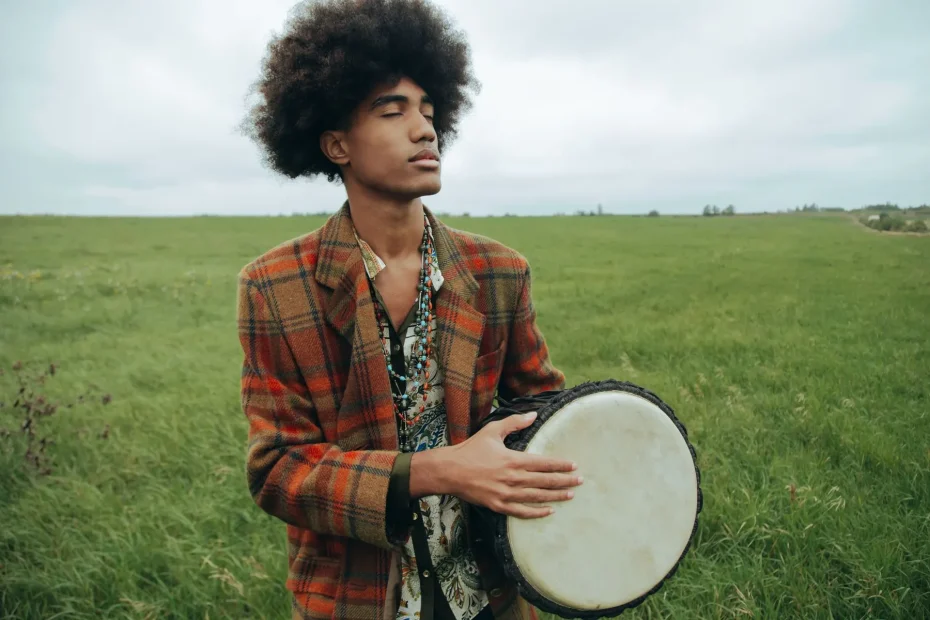
Electronic music has taken the world by storm and become impossible to ignore. Africa is emerging as a new center of creativity and innovation in the genre. Electronic music in Africa draws on African traditions and cultural exchanges with the African diaspora. This musical fusion incorporates African rhythms and percussion, traditional instruments such as the balafon, kora and djembe, and explorations of new hybrid genres.
Traditional African influences in electronic music
Traditional African influences play a central role in electronic music in Africa. African rhythms and percussion, along with traditional instruments such as the balafon, kora and djembe, are woven creatively into African electronic productions. This fusion of African traditions and modern electronic music provides a strong foundation for compositions, giving the music an organic quality and distinctive energy.
African rhythms, with their polyrhythmic structures and intricate patterns, help create compelling grooves in electronic music. Electronic percussion can reproduce the timbres of traditional African percussion, adding a distinctive sound to African electronic music.
African electronic artists also explore traditional instruments in their productions. The djembe, an emblematic West African instrument, is often incorporated into electronic music to connect it with African cultural roots. The kora, a stringed instrument from West Africa, is also used in some electronic productions to create captivating melodies and distinctive atmospheres.
Traditional African influences in electronic music in Africa create a fascinating synergy between cultural heritage and the creative possibilities of technology. They give rise to a form of musical expression that brings modernity and tradition together and captivates listeners around the world.
Incorporating traditional influences
Electronic music in Africa does more than incorporate traditional elements: it transforms those influences into new musical creations. Artists sample African rhythms and percussion to create hypnotic loops and distinctive rhythmic patterns. They process the sounds of traditional instruments with electronic effects, creating new sounds and textures.
Bringing traditional African influences into electronic music builds bridges between generations, cultures and continents. It also helps preserve and celebrate African traditions by reinterpreting them in modern, inventive ways.
Traditional instruments in African electronic music
Traditional African instruments have an important place in African electronic music. Producers and artists use them to bring a sense of authenticity to their compositions while exploring new sonic possibilities.
The djembe, often described as West Africa’s sacred drum, is used in electronic music to create powerful, driving percussion parts. Its distinctive sound gives the music an organic quality and a particular energy and force.
The kora is a plucked string instrument from West Africa. Its gentle, melodic sound is often used in African electronic music to create captivating melodies and evocative atmospheres.
| Traditional instruments | Use in electronic music |
|---|---|
| Balafon | Adds melodic patterns and engaging rhythms |
| Djembe | Creates powerful, driving percussion parts |
| Kora | Brings captivating melodies and distinctive atmospheres |
Influences of the African diaspora on electronic music
The African diaspora plays an important part in the evolution of electronic music in Africa. Cultural exchanges between African communities and communities of African descent have brought remarkable richness and variety to the continent’s electronic music scene. African American genres such as funk, jazz, disco and hip-hop have strongly influenced African electronic productions, creating a distinctive blend of African rhythms and electronic sounds. This musical fusion, often called electronic Afrobeat, has become one of the defining features of African electronic music.
African artists are also known for international collaborations in electronic music. These collaborations cross borders and musical genres, bringing ideas and inspirations together. African electronic artists work with producers and DJs from around the world, creating music that sounds both inventive and familiar to listeners everywhere. Such collaborations help African electronic music grow and strengthen its place on the global stage.
“The African diaspora is a creative bridge between cultures. It feeds our inspiration and strengthens our connection to our musical heritage.” — DJ Amadou
The diaspora’s influence is also reflected in the musical fusion that characterizes electronic music in Africa. African artists bring elements of their own musical traditions and influences from the African diaspora into their electronic productions, creating distinctive, inventive sounds. This fusion offers a new perspective on African music and opens new paths for artistic creativity.
Examples of international collaborations in African electronic music:
- South African producer Black Coffee’s collaboration with American singer Pharrell Williams produced songs such as “10 Missed Calls” and “Joy.”
- Nigerian DJ Spinall worked with French producer Kaytranada on the track “Sere.”
- Malian singer-songwriter Fatoumata Diawara collaborated with British producer Disclosure on the song “Ultimatum.”
These international collaborations show the richness and variety of African electronic music and its ability to connect artists from different cultural backgrounds. This openness to collaboration and musical fusion makes African electronic music distinctive and compelling.
African electronic music grows from a creative fusion of traditional African influences, cultural exchanges with the African diaspora and international collaborations. This fusion offers a new perspective on African music and enriches the global electronic scene. The creativity and innovation emerging from African electronic music underscore the value of this artistic expression in contemporary music.
Creativity and innovation in African electronic music
African electronic artists are known for their remarkable creativity. They push boundaries, developing captivating new sounds and distinctive hybrid genres. Afro-house, electronic Afrobeat and Afrofuturism are examples. These artists explore new sonic territory by combining traditional African rhythms, electronic percussion and influences from the African diaspora.
Africa’s electronic scene is growing, with more festivals and events devoted to electronic music. These African music events provide a platform for musical creativity and encourage innovation. African artists also use online platforms to share their music with global audiences, helping promote new sounds in African electronic music.
Creativity and innovation in African electronic music expand the genre’s boundaries, challenge stereotypes and produce music that expresses African cultural identities in modern, compelling ways. These hybrid genres and distinctive sounds also influence the global music scene and attract electronic music fans around the world.
This African musical creativity inspires international electronic artists who want to collaborate with African musicians. Such exchanges encourage new international partnerships and the creation of distinctive, inventive music.
| Hybrid genres | New sounds | African music events |
|---|---|---|
| Afro-house | Incorporating African rhythms | Afrochella Festival (Ghana) |
| Electronic Afrobeat | Exploring electronic percussion | Nyege Nyege Festival (Uganda) |
| Afrofuturism | Integrating futuristic sounds | MTN Nyege Nyege Festival (Uganda) |
African musical creativity in electronic music opens many possibilities for the genre’s future and reflects the diversity and richness of African culture. These artists will continue to push boundaries and innovate, shaping a distinctive, promising and exciting African electronic scene.
Conclusion
Electronic music in Africa faces economic and structural challenges, particularly a lack of government support and adequate infrastructure. Yet there are also major opportunities to celebrate African cultural identity and bring electronic music to international audiences.
By addressing these challenges and supporting artists and infrastructure, Africa can become a major force in the global electronic music scene. African electronic music contributes to cultural diversity and innovation in this constantly evolving genre.
The opportunities to showcase African electronic music are immense. African artists can draw on their rich musical heritage and creativity to make distinctive, captivating productions. The growing worldwide popularity of electronic music also provides an international platform for African talent.
Ultimately, electronic music in Africa demonstrates its potential, its value and its ability to influence the global music scene. These challenges should spur concrete action to support and promote this growing genre.
FAQ
How is the djembe incorporated into electronic music?
The djembe is often used as a percussion instrument in African electronic music. Electronic music producers bring the djembe’s distinctive rhythms and sounds into their compositions, creating a fusion of modern electronic music and African traditions.
Which other traditional African instruments are used in electronic music?
Alongside the djembe, traditional African instruments such as the balafon, kora and other African percussion are often incorporated into electronic music. They add cultural depth and an organic quality to African electronic productions.
How does the African diaspora influence African electronic music?
The African diaspora, particularly African American communities, has a major influence on African electronic music. Cultural exchanges between African communities and communities of African descent have enriched Africa’s music scene and led to exciting international collaborations.
Which new hybrid genres have emerged from African musical creativity?
Africa’s electronic scene is known for its abundant creativity. Genres such as Afro-house, electronic Afrobeat and Afrofuturism have emerged through the innovation of African artists. They combine traditional African influences with modern electronic elements.
What challenges and opportunities does electronic music face in Africa?
Electronic music in Africa faces economic and structural challenges, including limited government support and inadequate infrastructure. It also offers wide-ranging opportunities to promote African cultural identity and share the music internationally, enriching cultural diversity and encouraging innovation in the genre.
Sources
- https://human.libretexts.org/Bookshelves/Music/Ethnomusicology/Listening_to_The_World_-_A_Brief_Survey_of_World_Music_(Piza)/01%253A_Music_in_Africa_the_Arab_World_India_and_China/1.01%253A_The_Music_of_Africa
- https://djmag.com/features/how-global-boom-african-music-resonating-electronic-artists-diaspora
- https://musicinafrica.net/node/115872