
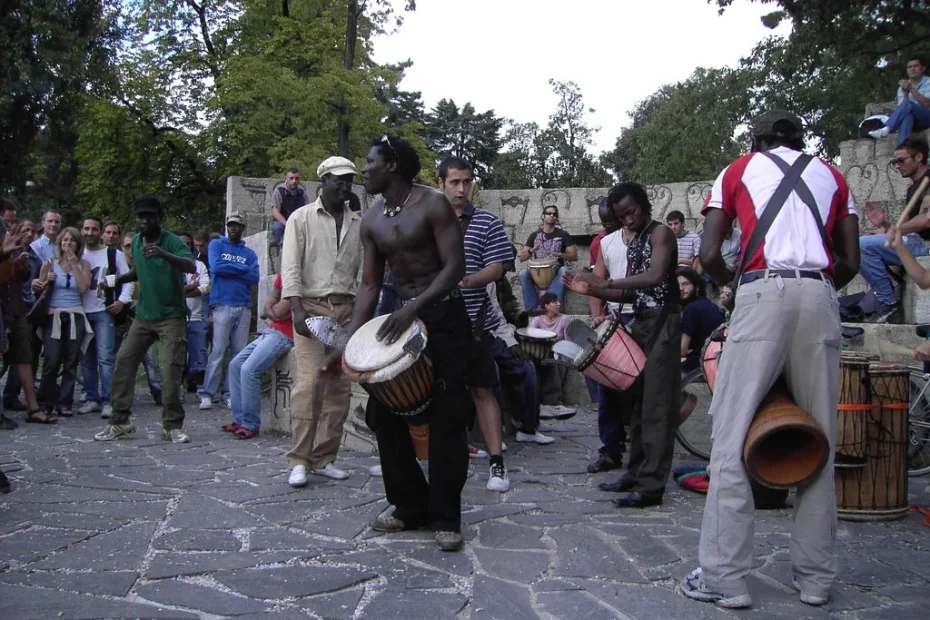
Mamady Keïta, a Guinean percussionist, left his mark on the art of the djembe. He traveled to introduce Guinean music to audiences around the world. To learn more about djembe masters such as Mamady Keïta, visit this site.
The djembe, a symbol of West Africa, gained popularity thanks to Mamady Keïta. He devoted his life to traditional Guinean music. He recorded albums such as “Wassolon” and “Nankama” and founded the Tam Tam Mandingue school.
Mamady Keïta played an essential role in spreading Manding music. His djembe playing and ability to blend styles inspired many musicians. He helped introduce African music to audiences around the world.
Mamady Keïta’s origins and history in Guinea
Mamady Keïta was born in 1950 in Balandugu, Guinea. He learned traditional music from childhood. He studied with masters and joined the National Ballet of Guinea.
This journey helped promote Manding music and keep Guinea’s cultural heritage alive.
Oral transmission played a crucial role in his training. Mamady Keïta learned rhythms and techniques from his masters, who had learned them from their predecessors.
This tradition preserved the richness and diversity of Manding music.
Mamady Keïta’s journey shows the importance of Manding music in promoting Guinea’s cultural heritage and the oral transmission of its culture. To learn more, visit instruments-du-monde.com.
Birth and first steps in traditional music
Mamady Keïta began learning music at age seven with Karinkadjan Kondé. He showed a natural talent and, at fourteen, joined a group supported by Harry Belafonte.
Training with traditional masters
Mamady Keïta continued his training with traditional masters. He learned the rhythms and techniques of Manding music. He also studied music theory and composition.
Role in the National Ballet of Guinea
Mamady Keïta joined the National Ballet of Guinea. He helped promote Manding music and preserve Guinea’s cultural heritage. He also had the opportunity to perform on stage.
Mamady Keïta’s unique technical expertise
Mamady Keïta was a djembe master. He skillfully combined rhythms, melodies and improvisation. His command of the instrument was recognized as among the best in the world. He is therefore regarded as a true master djembefola.
Mamady Keïta’s playing technique was remarkable. He could create complex rhythms and play them precisely.
Key elements of his playing technique included:
- Mastery of the djembe’s resonating body and drumhead
- The ability to adjust the tension ropes to change its sound
- The use of vibrating sound waves to produce distinctive effects
As a master djembefola, Mamady Keïta had a unique playing technique that set him apart from other musicians. His expertise influenced many artists and helped make the djembe known around the world.
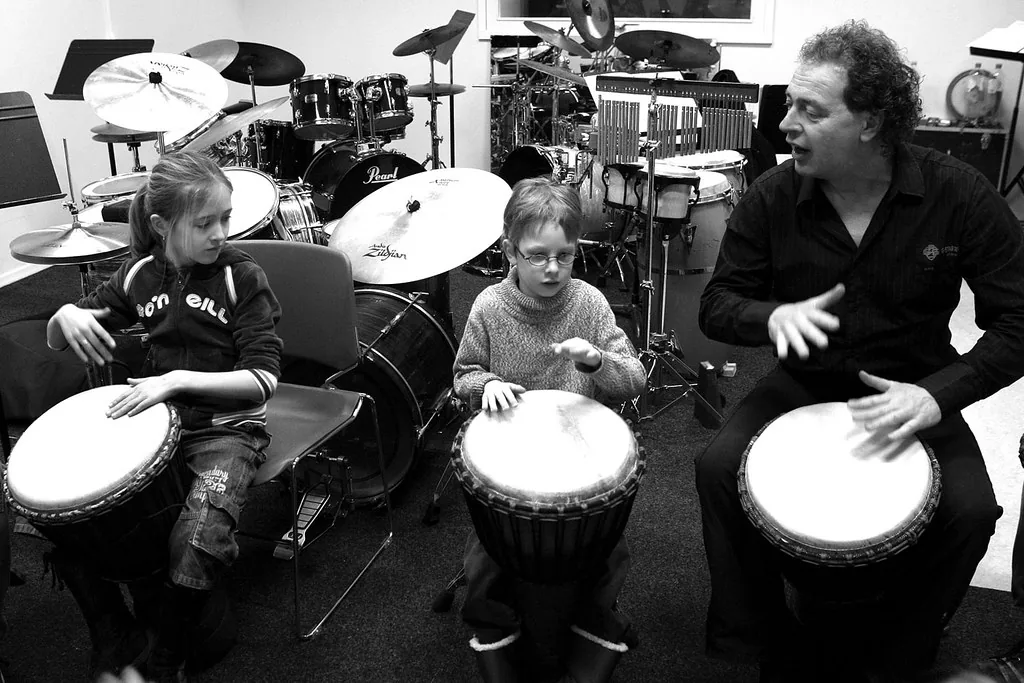
Passing on traditional Manding knowledge
Mamady Keïta played an essential role in passing on Manding knowledge. He founded the Tam Tam Mandingue school to teach the djembe and Manding music.
Mamady Keïta’s teaching methods were innovative. They enabled students at the Tam Tam Mandingue school to learn interactively. Oral transmission was essential because it helped them master complex rhythms and melodies.
Here is how the Tam Tam Mandingue school passes on Manding knowledge:
- Teaching the djembe and Manding music
- Passing on knowledge of traditional rhythms and melodies
- Training future master djembefolas
The Tam Tam Mandingue school became a leading center for Manding knowledge. Mamady Keïta was a major ambassador for Manding culture worldwide.
How Mamady Keïta influenced the art of djembe around the world
Mamady Keïta was a djembe master known around the world. He traveled to share his music and culture. His teaching methods transformed the global percussion scene. He helped make the djembe known throughout the world.
Some of his notable achievements include:
- He recorded 11 CDs and 8 instructional videos or DVDs during his career.
- He founded his own musical group, Sewa Kan, in 1988 and recorded his first solo album, “Wassolon,” in 1989.
- He created the Tam Tam Mandingue network, which now has 15 schools across North America, Europe, Australia and Asia.
Mamady Keïta shared his passion for the djembe around the world. He taught many musicians. His international reputation is well established in the music world.
To discover more about Mamady Keïta, visit instruments-du-monde.com.
| Year | Event |
|---|---|
| 1964 | Mamady Keïta joins the National Ballet Djoliba at age 14. |
| 1988 | He founds his own musical group, Sewa Kan. |
| 1991 | He creates the Tam Tam Mandingue network. |
His musical legacy and the preservation of traditional rhythms
Mamady Keïta played a key role in preserving Manding rhythms. He also promoted Guinea’s cultural heritage. Thanks to him, Manding music is now passed on to younger generations. He founded the Tam Tam Mandingue school, whose network includes 15 schools worldwide.
The preservation of traditional rhythms is crucial to keeping cultural heritage alive. Mamady Keïta recorded albums such as “Wassolon” and “Nankama.” These works help preserve traditional rhythms and introduce people to Guinea’s cultural heritage.
Some of Mamady Keïta’s albums include:
- “Wassolon” (1989)
- “Nankama” (1992)
- “AFO” (1998)
- “Mamady Lèè” (2001)
- “Sila Laka” (2004)
- “Hakili” (2010)
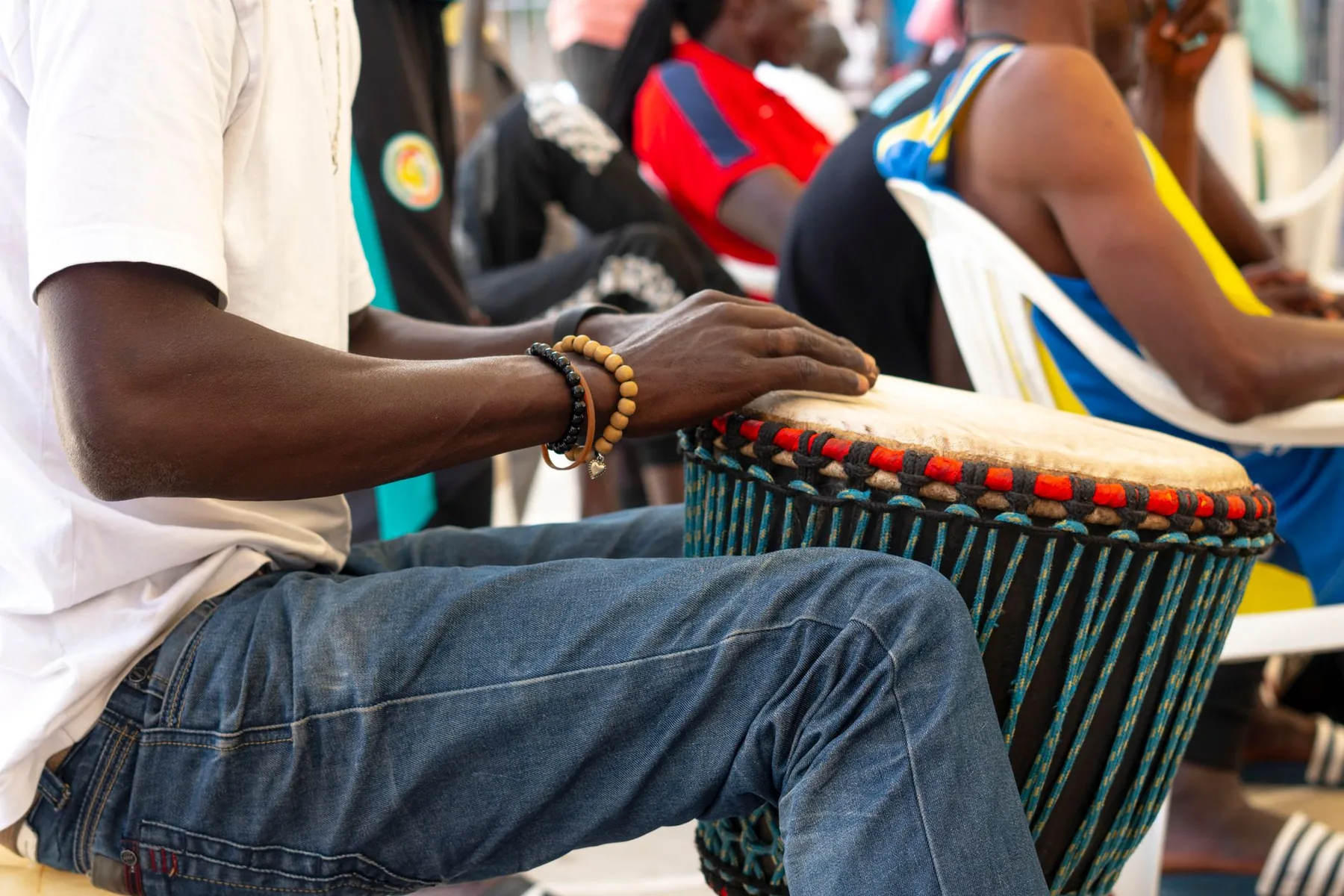
In short, Mamady Keïta leaves a rich and varied musical legacy. His contribution to the preservation of traditional rhythms and Guinea’s cultural heritage is invaluable.
His contribution to modernizing the djembe
Mamady Keïta played an essential role in modernizing the djembe. He introduced new ways of playing and blended Manding music with other styles. By adapting this traditional instrument to contemporary tastes, he renewed interest in it.
He enriched djembe playing by exploring new techniques. He also incorporated elements of contemporary music. These contributions enriched traditional music and opened new possibilities for future musicians.
The way people learn the djembe also evolved thanks to him. Mamady Keïta developed innovative teaching methods that made traditional music more accessible to everyone.
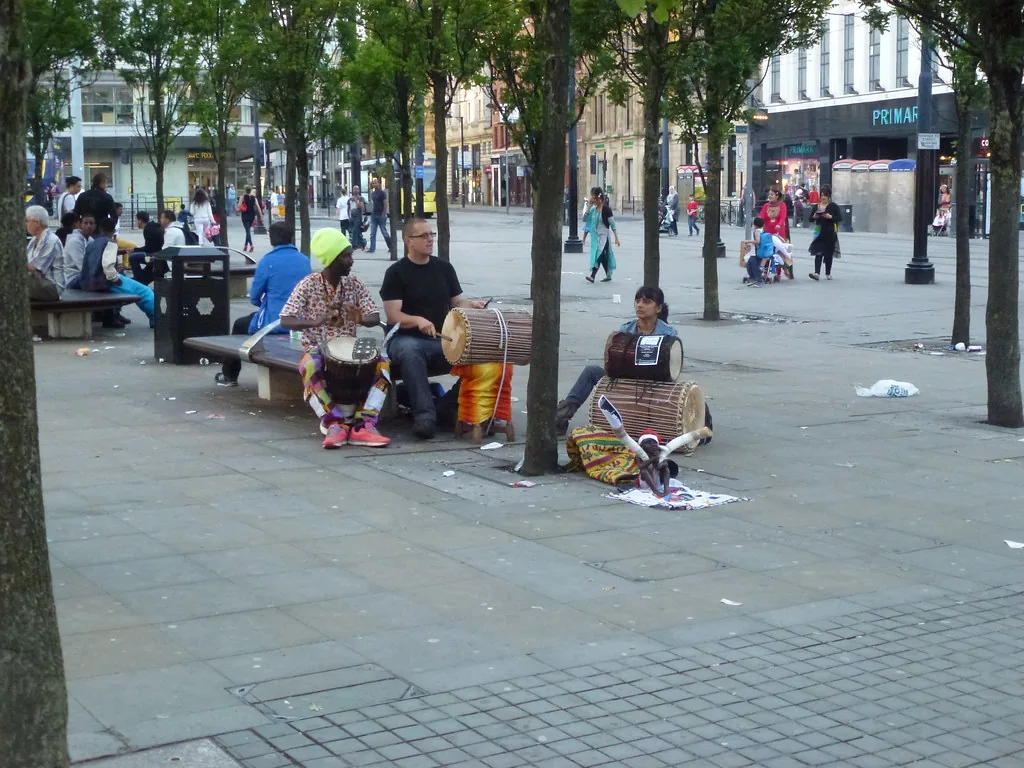
In brief, Mamady Keïta contributed greatly to the djembe. He introduced new ways of playing, blended musical styles and changed how the instrument is taught. These developments made the djembe more popular and accessible.
| Elements of modernization | Description |
|---|---|
| Innovation in playing techniques | Exploration of new techniques and styles |
| Fusion with other musical styles | Incorporation of elements of contemporary music |
| Evolution of teaching methods | Development of innovative approaches to teaching |
Cultural influence in Africa and beyond
Mamady Keïta left his mark on African and global culture. His cultural influence extended far beyond his homeland. He influenced many musicians and gained international recognition for his work.
As a djembe master, Mamady Keïta helped preserve and promote African music. His network, Tam Tam Mandingue, has 15 schools worldwide. They offer training to musicians of all levels. To learn more, visit instruments-du-monde.com.
The djembe holds an essential place in African culture. It represents African music and is used to announce news. Mamady Keïta helped introduce this musical tradition to people around the world. To learn more about the djembe in ensembles, visit faire-du-djembe.fr.
Influence on new generations
Mamady Keïta inspired young musicians. He showed that African music could blend with other styles.
International recognition
Mamady Keïta gained international recognition for his work. He collaborated with famous musicians and performed around the world. His influence on African music is undeniable.
Growth of the djembe worldwide
The djembe became popular around the world. Mamady Keïta helped popularize the instrument. He encouraged a new generation to appreciate African music.
| Instrument | Origin | Influence |
|---|---|---|
| Djembe | West Africa | Worldwide |
Conclusion: Mamady Keïta’s lasting mark on the art of djembe
Mamady Keïta profoundly shaped the art of djembe. He helped preserve and promote Guinean culture. Born on August 1, 1950, in Balandougou, he devoted his life to teaching Manding rhythms.
He became one of the most renowned master djembefolas. His work lives on after his death on June 21, 2021, in Brussels, at age 71. His influence extends beyond borders.
He founded the Tam Tam Mandingue school in 1991. He trained thousands of percussionists worldwide. His innovative methods and international tours helped introduce people to Manding music.