
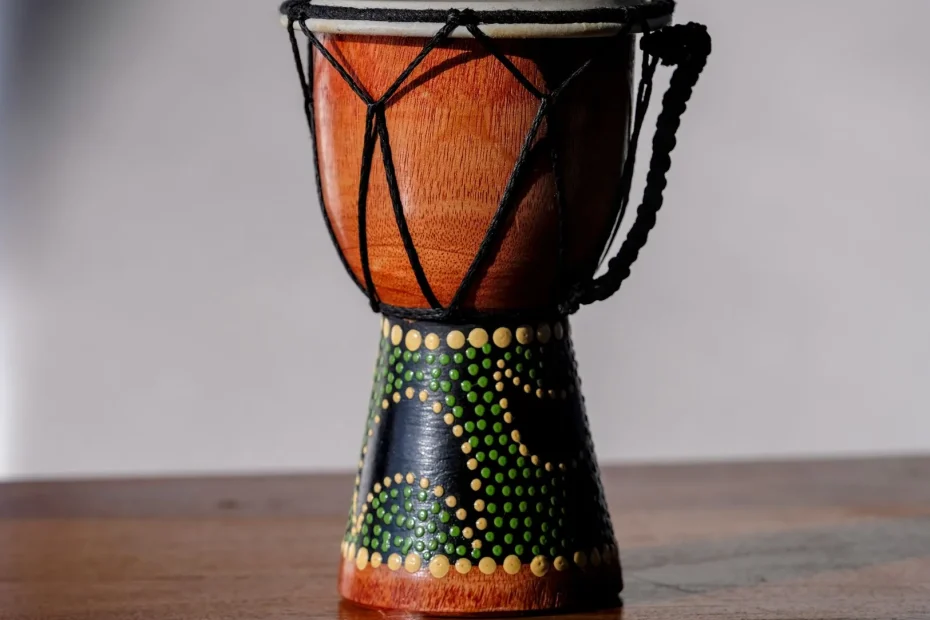
The Malian djembe is a symbol of African music. Mamady Keïta, one of its great ambassadors, brought it to a wider audience. With Sewa Kan, he transformed the way the djembe is played. Their blend of tradition and modernity has inspired many musicians.
Mamady Keïta and Sewa Kan are passionate about traditional music. They want to keep Manding heritage alive. Their way of playing the Malian djembe introduced this musical world to a wider audience. They respected traditions while bringing them up to date.
The extraordinary story of Mamady Keïta
Mamady Keïta, a master djembefola, learned to play the djembe at a very young age in Mali. Trained by traditional masters, he soon showed exceptional virtuosity.
Mamady Keïta’s journey illustrates Manding cultural heritage. It shows the importance of tradition and passing on ancestral knowledge.
Mamady Keïta’s performances combine Manding art and traditional rhythms. They have moved audiences around the world. His way of playing the djembe gives his musical performances a distinctive character. You can learn more about Mamady Keïta’s performances and his cultural heritage.
- Training with traditional masters
- Development of exceptional instrumental virtuosity
- International performances showcasing Manding art
Mamady Keïta’s story shows the importance of preserving Manding cultural heritage. His journey reflects the richness and beauty of Manding art. It continues to inspire and captivate people around the world.
| Instrument | Description |
|---|---|
| Djembe | Percussion instrument from West Africa |
| Dunun | Percussion instrument used in Mamady Keïta’s performances |
The formation and evolution of Sewa Kan
Sewa Kan is an African music group founded by Mamady Keïta. It is known for its musical innovation. Over the years, the group has developed remarkable instrumental virtuosity.
Here are some milestones in Sewa Kan’s development:
- The group was founded by Mamady Keïta, a musician renowned for his talent and musical innovation.
- Sewa Kan developed a unique style that combines elements of traditional music and contemporary music. This style demonstrates exceptional instrumental virtuosity.
- The group has collaborated with other musicians and artists, helping to create a dynamic and innovative African music scene.

Over the years, Sewa Kan has developed its own musical innovation and instrumental virtuosity. Its style and talent have enriched the African music scene.
Revolutionizing the djembe: a fresh approach
The djembe, an African instrument, has evolved thanks to artists such as Mamady Keïta and Sewa Kan. They have fused traditional and contemporary styles to create a unique sound. This innovation has transformed djembe playing and influenced music worldwide.
Blending traditional and contemporary styles
This blend of styles gave rise to an innovative sound. The artists added modern elements while preserving the African essence of their music. This encouraged a new generation of musicians to revolutionize the djembe and introduce it to a wider audience.
Technical and rhythmic innovations
Technical and rhythmic innovations have transformed djembe playing. Artists have explored new techniques, such as polyrhythm, to create complex sounds. These innovations have enriched the music and opened new paths for learning the djembe.
Influence on the global music scene
The djembe has had a major impact on the global music scene. It has been incorporated into various genres, including classical music and jazz. This has increased its popularity and opened new possibilities for African music. For more information about using the djembe in ensembles, visit faire-du-djembe.fr.
Preserving Manding cultural heritage
Manding cultural heritage is rich and varied. It goes back centuries. Mamady Keïta and Sewa Kan work to pass on this knowledge. They want to protect traditional rhythms.
This protection is essential. Djembes, for example, are carefully made from tree trunks, goatskins and rope.
Passing on knowledge
Passing on knowledge is an ongoing process involving several generations. Young djembefolas, such as Babara Bangoura, learn the rhythms.
Japanese servers also play djembe arrangements. This shows the international interest in the art.
Protecting traditional rhythms
Protecting traditional rhythms is essential. Concerts featuring traditional music help preserve them. The Diouf brothers also take part in these concerts.
| Artist | Instrument | Rhythm |
|---|---|---|
| Babara Bangoura | Djembe | Traditional |
| Diouf brothers | Dunun and djembe | Traditional |
| Colocs | Percussion | Traditional |
The percussion school and the Keïta method
Mamady Keïta’s percussion school is recognized for the quality of its teaching. The Keïta method combines technique and creativity. Students learn the basics of the djembe and develop their own style.
The Keïta method blends African tradition and innovation. Students discover a range of percussion techniques. The school is a place where they can learn, create and share their passion for music.
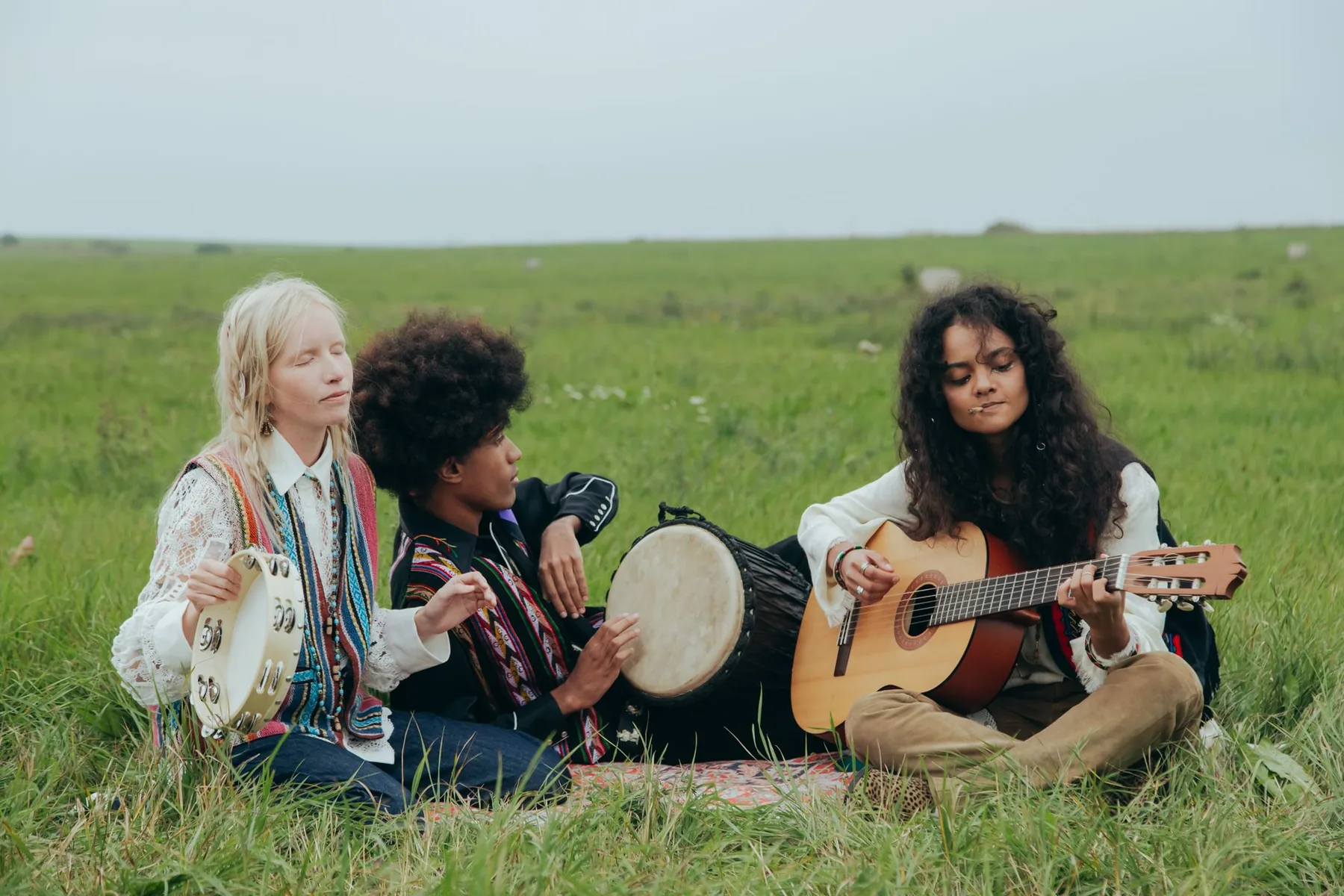
- An innovative and creative approach to percussion
- High-quality, personalized teaching
- A community of passionate, committed musicians
The percussion school and the Keïta method offer musicians of all levels a unique opportunity to improve and share their love of music.
Global impact on African percussion
African percussion has had a major impact around the world. Artists such as Mamady Keïta and Sewa Kan have played a key role. Their international recognition has brought African percussion to audiences worldwide.
Training the next generation of musicians is essential. Young people can learn from traditional masters and innovators. This helps keep the musical tradition alive and allows it to evolve.
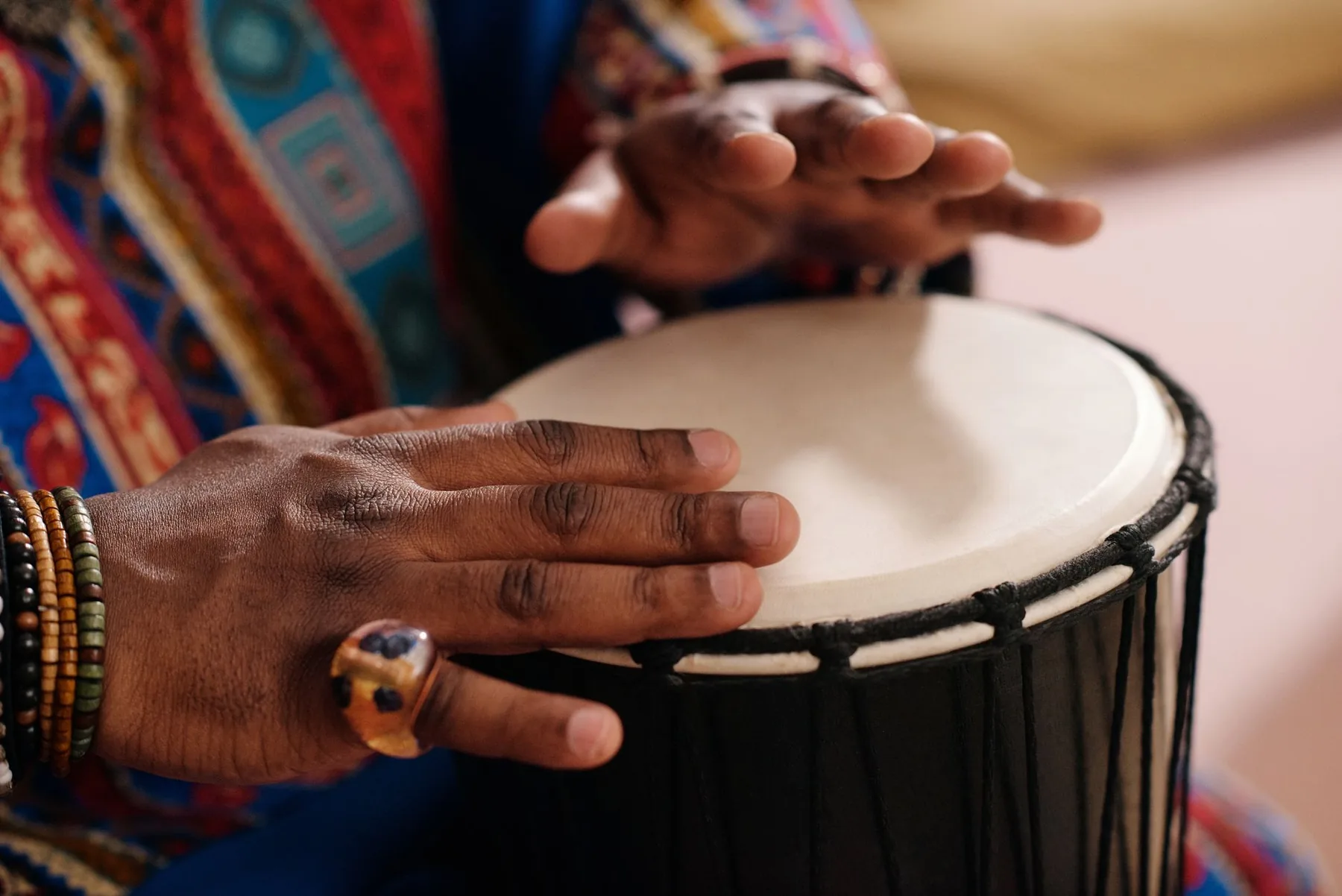
Here are some examples of the international recognition of African percussion:
- The djembe has become a popular instrument around the world, symbolizing a sense of fellowship among peoples.
- African music festivals attract audiences from every culture and generation.
- African artists are invited to perform at international concerts and festivals, helping to promote African percussion.
The global impact of African percussion is reflected in its international recognition and in training the next generation. These help preserve and develop the musical tradition.
| Artists | Instruments | Style |
|---|---|---|
| Mamady Keïta | Djembe | Traditional |
| Sewa Kan | Djembe | Innovative |
| Harouna Dembele | Djembe | Traditional |
Conclusion: a timeless musical legacy
The years pass, but the musical legacy of Mamady Keïta and his group Sewa Kan continues to move people around the world. Their way of playing the djembe brought Manding traditions together with modernity. It has had a lasting effect on African percussion.
Their teaching and timeless musical legacy inspire new artists, who come together to honor this rich tradition.
Their influence can be seen in Mamady Keïta’s concerts and classes. His expertise and artistic vision introduced the djembe to people around the world. This musical legacy shows that music can unite cultures and cross borders.