
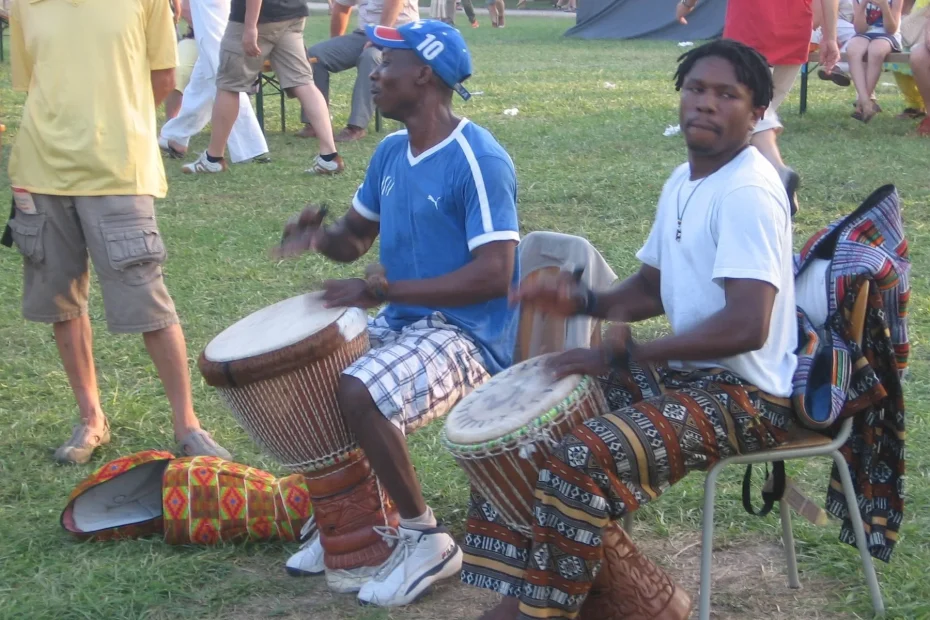
The djembe is a popular African percussion instrument that offers many benefits when included in music education. Djembe teaching methods help students develop their sense of rhythm and listening skills. The djembe can enrich the music curriculum by giving students interactive and engaging activities. Learning to play it helps them develop musical and social skills while encouraging creativity and individual expression. A teaching approach to the djembe in music education generally includes learning basic playing techniques and exploring different rhythms and musical styles.
The benefits of the djembe in music education
Including the djembe in music education offers many benefits for students. It provides an interactive and engaging musical experience that helps them develop their sense of rhythm, coordination and musical listening skills. Learning to play it also encourages their creativity and individual expression, contributing to their artistic development.
The djembe can also help strengthen music reading and rhythmic notation skills. By playing the djembe, students learn to read scores and understand different rhythmic patterns. This helps them grasp musical concepts and master musical notation.
Finally, including the djembe in the music curriculum gives students an enriching cultural experience. By exploring West African musical traditions through the djembe, they discover new rhythms, sounds and forms of expression. This raises their awareness of cultural diversity and broadens their musical horizons.
“The djembe provides an interactive and engaging musical experience that helps students develop their sense of rhythm, coordination and musical listening skills.”
Including the djembe in music education therefore offers students many benefits. It helps them develop essential musical skills while giving them an enriching cultural experience. This instrument has a valuable place in the music curriculum and offers students unique, engaging learning opportunities.
Djembe teaching methods
Various djembe teaching methods can be used in music education. Teaching approaches generally focus on basic playing techniques, such as hand position, different strokes and basic rhythms. Some teachers also favour creative exploration, encouraging students to improvise and create their own rhythms. Whatever the method, the main goal is to give students a fun, interactive learning experience while developing their musical skills.
A teaching approach to the djembe in music education
A teaching approach to the djembe in music education generally includes learning basic playing techniques and exploring different rhythms and musical styles. Students learn the strokes and hand positions used to produce the djembe’s distinctive sounds. They also practise basic rhythms and learn to improvise and create their own rhythmic variations.
Teachers often use interactive exercises and rhythm games to help students develop their sense of rhythm and coordination. For example, students may be asked to repeat rhythmic patterns played by the teacher or create their own patterns using different playing techniques. The emphasis is on experimentation and exploration, giving students more freedom and room for creativity.
“Learning the djembe is more than mastering technique: it is also an artistic experience that lets students express themselves and develop their own musical style.” — Laura, music teacher.
Some djembe teaching methods also include cultural and historical elements, helping students better understand the origins of this African instrument and the musical traditions associated with it. They can learn about the different ethnic groups that use the djembe, the traditional ceremonies associated with it and the instrument’s importance in African culture.
| Teaching method | Description |
|---|---|
| Oral tradition |
This method relies on passing down knowledge and rhythms orally. Students learn rhythms and techniques by listening to and imitating teachers or older djembe players. This supports learning by ear and encourages students to develop their musical ear. |
| Structured approach |
This method follows a structured programme of progressive lessons. Students learn basic techniques and rhythms, then move on to more complex rhythms and specific musical styles. This allows them to make steady progress in learning the djembe. |
| Creative approach |
This method encourages students to explore their creativity and improvise their own rhythms and variations. They are invited to experiment with different sounds and patterns, supporting their individual musical expression. |
The role of the djembe in music education
The djembe plays an important role in music education by giving students the chance to take an active part in classroom music activities. As a traditional percussion instrument, it also helps them develop a range of musical and other skills.
With the djembe, students can take part in varied music activities, such as rhythm games, group improvisation and musical performances. These activities help them develop their sense of rhythm as they follow djembe patterns. By playing together, they also learn to coordinate their movements to keep the ensemble in sync.
In addition to developing their sense of rhythm and motor coordination, the djembe strengthens their musical listening skills. By listening carefully to other musicians and adjusting their playing, students improve their ability to hear rhythmic variations and maintain a steady tempo.
Using the djembe in class also gives students a way to express themselves musically. They can convey their emotions and creativity through percussion by making their own rhythms and exploring different playing techniques.
Djembe activities encourage cooperation and collaboration among students. By playing together and listening to one another, they learn to work as a team towards a shared goal. This social aspect supports the development of musical, social and emotional skills.
The djembe therefore plays an essential role in music education: it gives students an interactive experience that develops their sense of rhythm, motor coordination, musical listening skills and creativity. Activities that use it also encourage cooperation and collaboration, contributing to students’ social and emotional development.
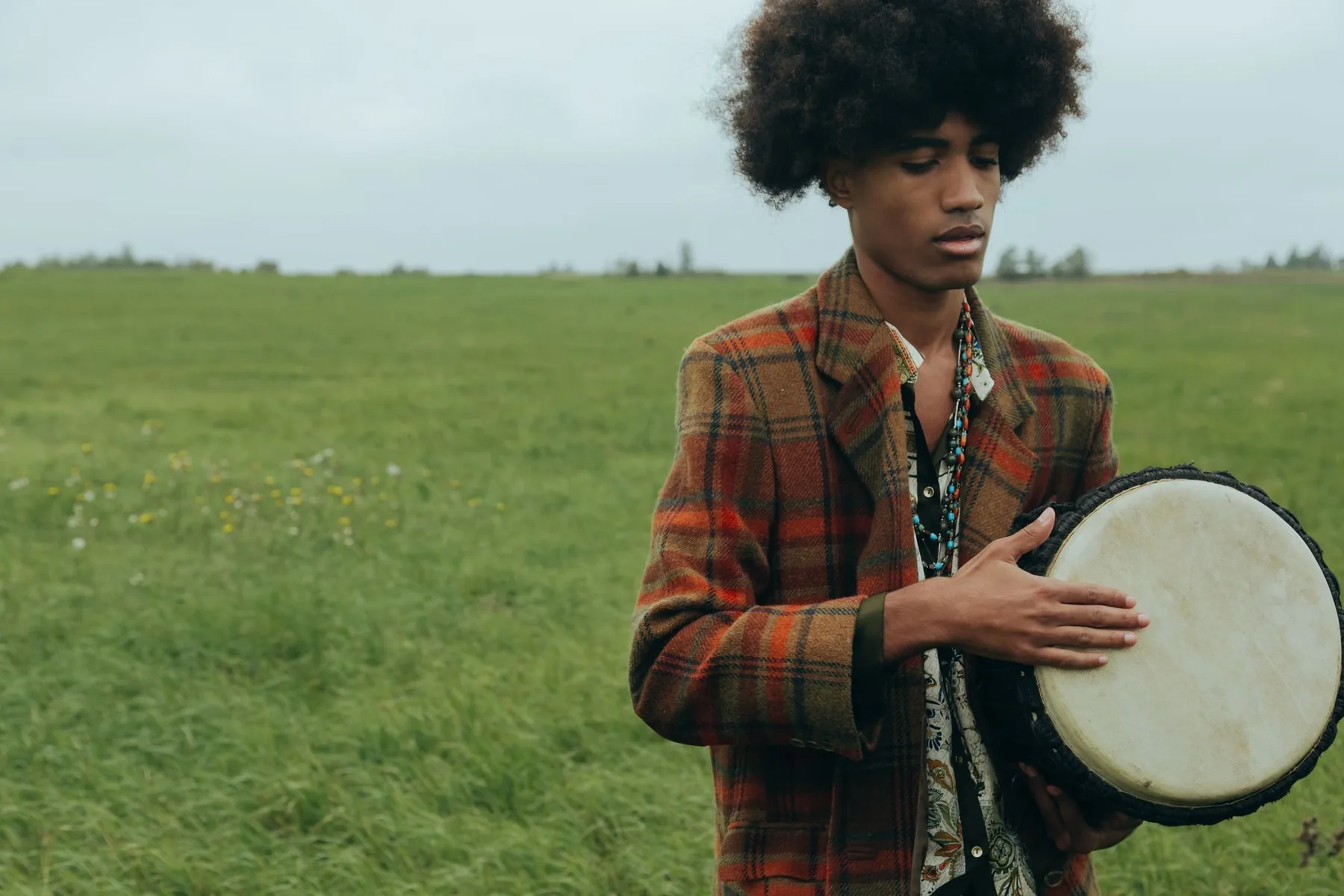
| Benefits of classroom djembe music activities | Description |
|---|---|
| Developing a sense of rhythm | Rhythm activities help students develop their sense of rhythm and improve their musical coordination. |
| Motor coordination | Playing the djembe calls for fine motor coordination, contributing to the development of students’ physical skills. |
| Individual expression | Djembe activities give students a way to express their individuality and creativity through music. |
| Group work | Classroom djembe activities encourage collaboration among students and strengthen their ability to work as a team. |
| Cultural appreciation | The djembe is a traditional African instrument. Including it helps students discover and appreciate West African music and culture. |
Conclusion
Including the djembe in music education offers students many benefits and learning opportunities. By playing the djembe, they develop their sense of rhythm, motor coordination, musical listening skills and creativity. Classroom djembe music activities encourage collaboration, communication and individual expression.
Including the djembe in the music curriculum allows students to explore different musical traditions and deepen their appreciation of music. Through this instrument, they discover distinctive rhythms and musical styles, enriching their musical experience and opening up new artistic possibilities.
The djembe is therefore a valuable instrument in music education. It gives students inspiring and engaging musical experiences while supporting their personal and artistic development. By including it in music lessons, teachers can spark students’ interest in music, build their confidence and encourage their creativity. The djembe thus helps create a lively and stimulating learning environment for budding young musicians.
FAQ
What are the benefits of the djembe in music education?
The djembe provides an interactive and engaging musical experience that helps students develop their sense of rhythm, coordination and musical listening skills. It also encourages creativity and individual expression.
What djembe teaching methods are used in music education?
Djembe teaching methods generally focus on learning basic playing techniques and exploring different rhythms and musical styles.
What is the role of the djembe in music education?
The djembe lets students take an active part in classroom music activities, helping them develop their sense of rhythm, coordination and musical listening skills.
How is the djembe included in the music curriculum?
The djembe can be included in the music curriculum through group percussion projects, singing and dance activities, and the exploration of different musical traditions.
What educational benefits does the djembe offer students?
Learning the djembe helps students develop their sense of rhythm, motor coordination and musical listening skills, as well as their creativity and individual expression.
What classroom music activities can students do with the djembe?
Classroom djembe activities can include rhythm games, group improvisation and musical performances.
Source links
- https://journals.sagepub.com/doi/10.1177/10570837231217100
- https://theteachersinstitute.org/curriculum_unit/listening-to-learn-learning-to-listen-lessons-from-the-griot-families-of-mali-2/
- https://education.nsw.gov.au/teaching-and-learning/curriculum/creative-arts/creative-arts-curriculum-resources-k-12/7-10-curriculum-resources/performance-and-composition-for-non-melodic-percussion