
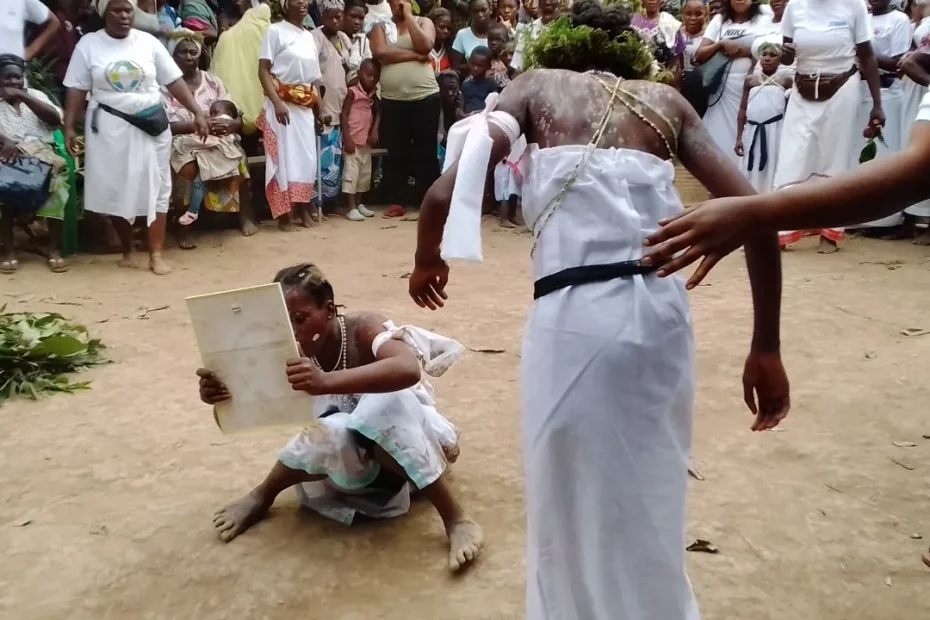
The djembe and dance form a unique synergy, combining the rhythm of percussion with the expressiveness of movement. This synergy creates an enriching artistic experience that brings together traditional African music and contemporary dance.
Djembe percussion adds a rhythmic and expressive dimension to dance, while bodily movements bring a visual and artistic dimension to the music. This combination offers performers and audiences an immersive, engaging experience and makes it possible to explore new forms of artistic expression.
Whether in a traditional, cultural or contemporary artistic setting, the synergy between the djembe and dance opens up new possibilities for exploring creativity, passion and human connection through art.
The djembe: an ancestral West African drum
The djembe is a Manding drum from West Africa. It has played a central role in the region’s musical traditions for centuries. Used in ceremonies, rituals and celebrations, the djembe is an emblematic instrument of African culture. Its deep, powerful sound makes it a versatile instrument capable of producing a wide range of sounds and rhythms. Today, the djembe is popular around the world, and many artists and percussionists use it to create vibrant musical performances.
| Origin | Uses | Characteristics |
|---|---|---|
| West Africa | Ceremonies, rituals, celebrations | Deep, powerful sound |
| The djembe is an emblematic instrument of African culture. Its versatility allows it to produce a wide range of sounds and rhythms, making it ideal for musical performances. | ||
Dance: bodily and artistic expression
Dance is an art form that uses the body’s movement to convey emotions and tell stories. As a universal means of communication, it allows dancers to express their creativity and individuality. Dance also has a rhythmic dimension that djembe accompaniment can strengthen. Dancers use the rhythm of the music to guide their movements and create harmonious choreography. Combining dance and the djembe allows performers to bring together bodily and musical expression, creating an engaging experience for the audience.
| Dance style | Description |
|---|---|
| Ballet | A classical style characterized by elegant movements and demanding techniques. |
| Contemporary | An experimental style combining fluid movements, expressiveness and improvisation. |
| Hip-hop | An energetic, rhythmic urban style with movements inspired by hip-hop culture. |
Dance encompasses a wide variety of styles, each with its own aesthetic and form of expression. Whether classical ballet, contemporary dance or hip-hop, each style has distinctive movements, rhythms and ways of expressing emotion. Dance allows performers to tell stories without words, using their bodies as their main means of communication.
Dance is the poetry of movement and expression. — Martha Graham
| Benefit | Description |
|---|---|
| Self-expression | Allows dancers to express themselves, share their emotions and develop their artistic identity. |
| Physical fitness | Improves strength, flexibility, endurance and coordination. |
| Mental well-being | Helps reduce stress, improve self-esteem and support personal growth. |
Dance offers many physical, emotional and mental benefits. It helps people connect with their bodies, explore their creativity and develop artistic skills. Whether a form of personal expression or a stage performance, dance is a powerful art form that allows us to express ourselves, communicate and connect with others.
Dance and the rhythm of the djembe
Rhythm plays a fundamental role in dance. It guides dancers’ movements, structures the choreography and creates a deep connection between music and the body. Djembe accompaniment adds another rhythmic dimension to dance. Its beats connect the dancers with the music, strengthen bodily expression and inspire movement.
The synergy between the djembe and dance
Combining the djembe and dance creates a unique synergy between percussion and movement. Djembe rhythms give dancers’ movements a strong beat and a sonic texture, while dance brings a visual and artistic dimension to the music. Together, they create an immersive and engaging artistic experience in which rhythm and movement complement and enrich each other. The synergy between the djembe and dance allows performers to push the boundaries of their artistic expression and create dynamic, engaging performances.
Djembe percussion adds a distinctive rhythmic dimension to dance, with a steady pulse that guides dancers’ movements. The djembe’s beats resonate through the space and invite dancers to respond with precise steps and fluid gestures. Its vibrant rhythm creates a captivating atmosphere that holds the audience’s attention and stirs emotion.
Likewise, dance brings a visual and artistic dimension to djembe music. The dancers’ movements highlight the sound of the drums and add a new texture to the performance. Dance allows performers to tell a story through movement, engaging the audience and creating an emotional connection.
By combining djembe percussion with dance movements, performers create an immersive and engaging artistic experience. Music and dance intertwine harmoniously in a dynamic performance that appeals to both hearing and sight. The synergy between the djembe and dance also gives performers greater freedom of expression, allowing them to push the boundaries of their artistic abilities and create distinctive, engaging performances.
An example performance:
A striking example of the synergy between the djembe and dance is the show “Rhythms and Movements.” In this performance, the percussion group “Afrik’Art” plays lively rhythms on djembes while the dancers of “Ballet Contemporain” perform graceful, expressive movements. The combination of djembe rhythms and fluid dance movements creates a breathtaking artistic experience.
Guided by the djembe’s compelling rhythm, the dancers explore a range of dance styles, from contemporary to traditional. The percussion resonates through the space, sets the tempo for the dancers’ movements and creates an electrifying atmosphere. The audience is taken on a journey of sight and sound by the unique synergy between the djembe and dance.
Through its stunning performance, “Rhythms and Movements” highlights the boundless potential of the synergy between the djembe and dance. The show demonstrates how these two art forms can complement and enrich one another to give audiences an engaging, memorable experience.
Benefits of the synergy between the djembe and dance:
- An immersive and engaging artistic experience
- Simultaneous stimulation of hearing and sight
- Exploration of new forms of artistic expression
- New creative possibilities
Table
The following table highlights the main elements of the synergy between the djembe and dance:
| Element | Djembe | Dance |
|---|---|---|
| Rhythm | Creates a strong, vibrant rhythm | Guides movements and gives them texture |
| Artistic expression | Adds a rhythmic and sonic dimension | Offers a visual and artistic dimension |
| Audience engagement | Captivates the ear | Captivates the eye |
Conclusion
Combining the djembe and dance creates a unique synergy between percussion and movement. This synergy allows performers to push the boundaries of their artistic expression and create engaging performances for audiences. The djembe adds a rhythmic dimension and sonic texture to dance, while dance brings a visual and artistic dimension to the music. Together, they create an immersive experience in which rhythm and movement complement and enrich each other.
Whether in a traditional, cultural or contemporary artistic setting, the synergy between the djembe and dance opens up new ways to explore creativity, passion and human connection through art. Performers can combine bodily and musical expression to convey emotions, tell stories and create distinctive, memorable performances. Combining the rhythm of djembe percussion with the grace of dance movements creates a multisensory experience that moves audiences and takes them on an unforgettable artistic journey.
In conclusion, the synergy between the djembe and dance is a harmonious union of music and movement. This union of art forms allows performers to express themselves fully and convey their message with force. It offers performers and audiences a unique, enriching artistic experience and opens the way to new explorations in artistic creation. With the djembe and dance, the possibilities are endless, and the expression of artistic passion reaches new heights.
FAQ
What is the djembe?
The djembe is a Manding drum from West Africa. It has played a central role in the region’s musical traditions for centuries. Its deep, powerful sound makes it a versatile instrument capable of producing a wide range of sounds and rhythms.
What is dance?
Dance is an art form that uses bodily movement to convey emotions and tell stories. It allows dancers to express their creativity and individuality while offering a rhythmic dimension that djembe accompaniment strengthens.
How do the djembe and dance work together?
Combining the djembe and dance creates a unique synergy. Djembe percussion gives dancers’ movements a strong beat and sonic texture, while dance brings a visual and artistic dimension to the music. Together, they create an immersive experience in which rhythm and movement complement and enrich each other.
Why is the synergy between the djembe and dance important?
The synergy between the djembe and dance allows performers to push the boundaries of their artistic expression and create engaging performances. Whether in a traditional, cultural or contemporary artistic setting, this synergy opens up new possibilities for exploring creativity, passion and human connection through art.
What are the benefits of combining the djembe and dance?
Combining the djembe and dance creates an immersive and engaging artistic experience. Percussion adds a rhythmic and expressive dimension to dance, while dance brings a visual and artistic dimension to the music. Together, they create dynamic, engaging performances for performers and audiences alike.