
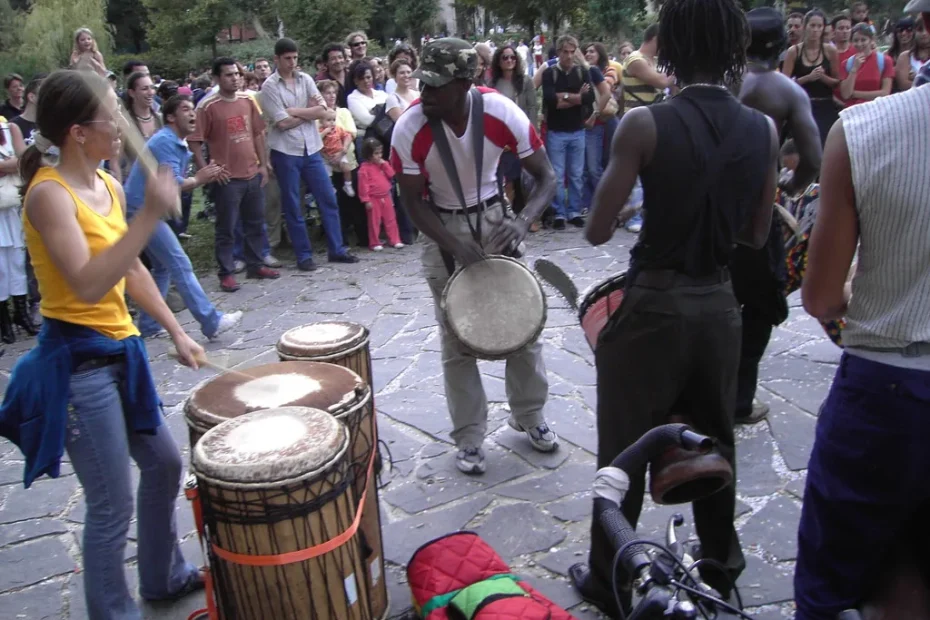
African music is rich in percussion and unique musical traditions. Among Africa’s most emblematic musical instruments, the djembe holds a prominent place. This fascinating instrument is played by exceptional artists, true djembe masters who have left their mark on the history of African music.
In this series of articles, we introduce the portraits of the greatest djembe players, virtuosos whose talent and passion have contributed to the development of African music. We explore their artistic journeys, playing techniques and influence in the world of percussion.
Join us on a journey through the history of the djembe and African music. Discover the captivating rhythms and melodies that make this instrument so distinctive. Together, we explore the heart of djembe playing technique and the secrets of Africa’s masters of rhythm.
Mamady Keïta: one of the greatest djembe players
Mamady Keïta is one of the most renowned and respected African artists in the world of djembe. Born and raised in a small village in Guinea, he developed a passion for music at an early age and soon turned to the djembe, a traditional West African percussion instrument.
His exceptional musical career began when he was very young, as his father, himself a djembe player, introduced him to the instrument. Mamady Keïta quickly developed an impressive command of djembe playing technique, skillfully combining rhythms, melodies and improvisation.
Over the years, Mamady Keïta pursued his passion for the djembe and traveled the world to share the richness of African music with international audiences. His exceptional talent and charismatic stage presence captivated crowds and made him a living legend of the djembe.
“The djembe is much more than a percussion instrument to me. It is a way to communicate with others and share the positive energy of African music.”
His distinctive playing technique stands out for its power, rhythmic complexity and ability to create a genuine musical connection. Mamady Keïta is known for playing traditional rhythms while incorporating contemporary elements, blending African roots with modern sounds.
| Date of birth | August 1, 1950 |
|---|---|
| Country of origin | Guinea |
| Musical genre | African music, percussion |
| Career | More than 50 years |
| Legacy | Djembe master; influence on many musicians |
Alongside his musical career, Mamady Keïta devoted part of his life to teaching the djembe and promoting African culture through workshops and collaborations with artists around the world. His artistic legacy and impact are undeniable, and he continues to inspire many djembe players worldwide.
In the next section, discover portraits of other djembe masters whose exceptional talent and invaluable contributions have also left their mark on the history of African music.
Other djembe masters
Besides Mamady Keïta, many other djembe masters have left their mark on African music. Artists such as Famoudou Konaté, Adama Dramé and Amadou Kiénou have all contributed to the development of the djembe and shaped the history of African percussion. These exceptional players devoted their passion, talent and expertise to the djembe, which has become an emblematic African musical instrument.
Famoudou Konaté, from Guinea, is a djembe master recognized around the world. His command of rhythm and virtuosity have made him a leading figure in African percussion. He has played a key role in preserving African musical traditions and passing them on to future generations.
“The djembe is much more than a musical instrument. It is the heart beating to the rhythm of Africa, carrying the history, culture and soul of an entire continent.” — Famoudou Konaté
Adama Dramé, from Burkina Faso, is a versatile musician and respected djembe master. His expressive, energetic playing has won over listeners around the world. He has also collaborated with internationally renowned artists, helping to bring the djembe together with other musical genres.
Amadou Kiénou, from Mali, is another djembe master who has left his mark on African music. His passion for percussion and constant search for new sounds have opened up new possibilities for the djembe. His talent and creativity have helped push the boundaries of this traditional instrument.
Each of these djembe masters has made a unique contribution to African music, enriching this cultural heritage and inspiring percussionists around the world. Their passion, virtuosity and commitment to preserving African music have made them true percussion icons.
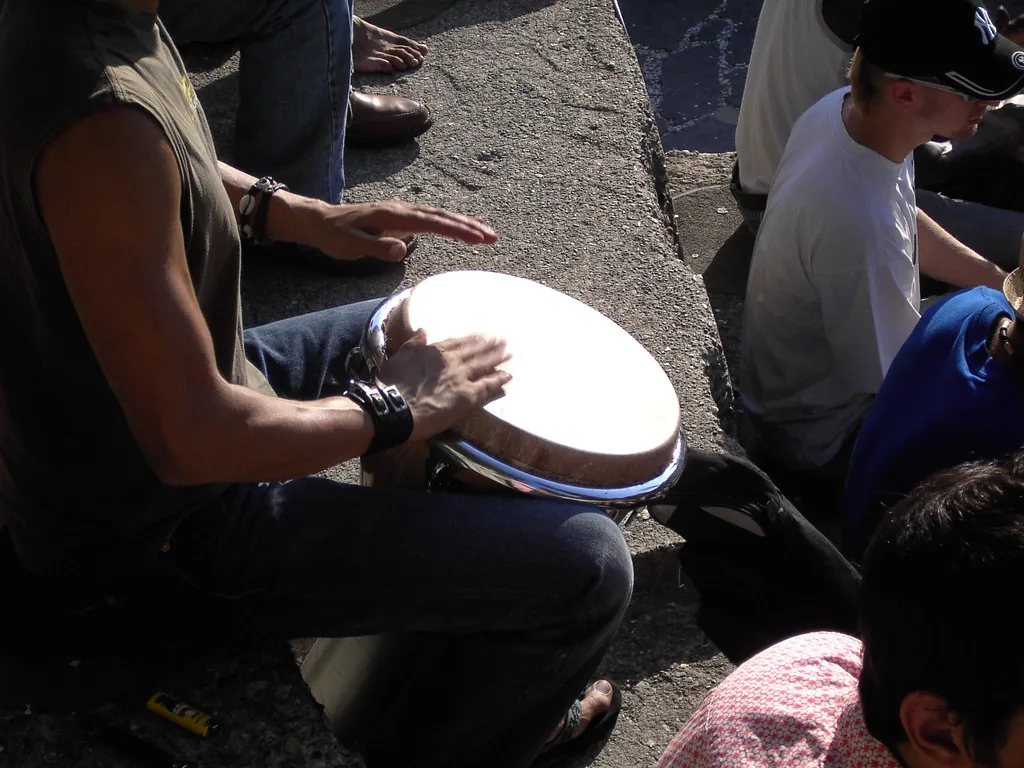
Other djembe masters
| Name | Country of origin | Contributions |
|---|---|---|
| Famoudou Konaté | Guinea | Preservation of African musical traditions |
| Adama Dramé | Burkina Faso | Collaboration with international artists |
| Amadou Kiénou | Mali | Exploration of new possibilities for the djembe |
The importance of the djembe in African music
The djembe holds a central place in African music, particularly in the traditions and rhythms of West Africa. This African percussion instrument is used at ceremonies, dances and festivals and plays an essential role in African culture.
The djembe is much more than a musical instrument. It embodies the soul and spirit of African traditional music and is inseparable from the dance and rhythms that have moved African communities for centuries.
Playing the djembe is deeply rooted in African culture and has an important social and spiritual role. Djembe rhythms are used to communicate, convey messages and create deep bonds between people.
The djembe offers a gateway to African culture and an immersive experience of music, dance and traditional rhythms.
Dance is an essential part of African music, and the djembe is one of the instruments that guide and support dancers’ movements. Percussionists use the djembe’s different sounds to accompany dance steps, creating a connection between music and movement.
The cultural importance of the djembe
The djembe is both a musical instrument and a symbol of African cultural identity. It embodies the diversity and richness of African traditions and helps communities sustain their cultural heritage.
Djembe playing is passed down from generation to generation, allowing ancestral traditions and knowledge to endure. Djembe players are guardians of this culture, and their music reflects their people’s history and values.
Today, the djembe has gained popularity around the world, attracting both music enthusiasts and people curious about other cultures. It is used in various musical genres and collaborations, bringing cultures together and contributing to the development of world music.
To better understand the djembe’s importance in African music, the following table shows some of the traditional rhythms and dances associated with it:
| Rhythm | Associated dance |
|---|---|
| Mandiani | Djansa |
| Djole | Mendiani |
| Tiriba | Soliba |
| Soli | Soli |
The diversity of rhythms and dances associated with the djembe reflects the richness and variety of African music. Each rhythm and dance has its own meaning and cultural context, helping to preserve and share African culture around the world.
The evolution of the djembe and its global impact
Over the years, the djembe has undergone remarkable development and become a popular musical instrument worldwide. Several factors explain its popularity, including its distinctive sound and its ability to convey powerful emotions through rhythm. World music has also helped spread the instrument through collaborations and musical fusions that have enriched its repertoire.
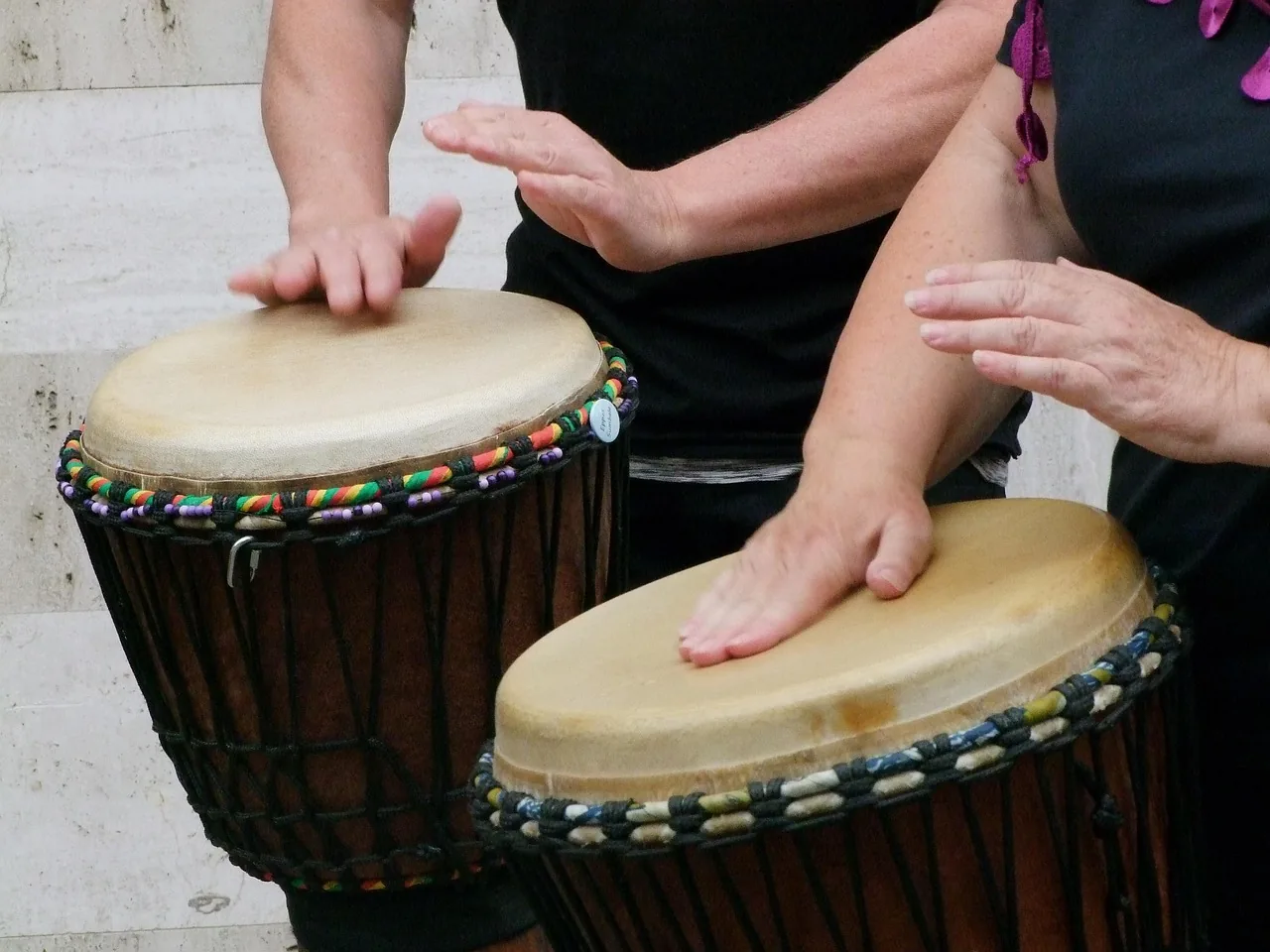
Talented artists such as Mamady Keïta have played a key role in popularizing the djembe. By sharing their music with international audiences, they introduced this African instrument to a wider public. Their exceptional performances revealed the djembe’s beauty and power, sparking the interest and admiration of many musicians and music lovers.
The djembe has also featured in successful musical collaborations with artists from other genres. These collaborations have explored new sounds and created unique fusions that have broadened the djembe’s musical horizons. Bold, innovative experiments have pushed the boundaries of traditional music and opened up new possibilities for expression.
Combining the djembe with styles such as jazz, rock, reggae and electronic music has produced original, captivating works. This openness to other genres has allowed the djembe to find a place in contemporary music while retaining its African essence and heritage.
Influences and collaborations
The djembe has also been influenced by music from other parts of the world, including Latin America, Asia and the Middle East. These cultural exchanges have helped it fit naturally into international ensembles and create unique musical experiences.
Collaborations between musicians from different backgrounds have encouraged cultural dialogue and helped spread African music worldwide. These exchanges have built bridges between cultures, celebrated musical diversity and promoted peace and unity through music.
| Artists | Collaborations |
|---|---|
| Mamady Keïta | Jazz fusion with John McLaughlin |
| Famoudou Konaté | World music with Mickey Hart and Zakir Hussain |
| Adama Dramé | Traditional music with Habib Koité |
These collaborations have produced unique musical works and contributed to the djembe’s development by giving it an international dimension. They have also inspired innovative artistic projects and opened up new possibilities for the djembe and African music as a whole.
Conclusion
Djembe masters are emblematic figures in African music. Their portraits help us better understand their contributions and legacy in the world of percussion. Their playing techniques, careers and influence have shaped the history of African music, particularly djembe music.
Exploring the lives of djembe masters such as Mamady Keïta, Famoudou Konaté, Adama Dramé and Amadou Kiénou draws us into the captivating world of African music. Their exceptional talents and dedication to the art of the djembe have inspired a generation of percussionists and helped this traditional instrument gain worldwide recognition.
The legacy of the djembe masters continues to influence world music. African music, with its captivating rhythms and distinctive percussion, has found a place in collaborations across cultures and given rise to musical genres born of fusion. The djembe carries the vitality and authenticity of African music, symbolizing the continent’s richness and diversity.
FAQ
Who are the djembe masters?
Djembe masters are exceptional artists whose virtuosity and contributions to the development of the djembe have shaped the history of African music.
Who is Mamady Keïta?
Mamady Keïta is one of the greatest players of the djembe of all time. Born in a small village in Guinea, he traveled the world with his music and left a lasting legacy in the world of djembe.
Who are the other important djembe masters?
Besides Mamady Keïta, other djembe masters, including Famoudou Konaté, Adama Dramé and Amadou Kiénou, have contributed to the instrument’s development and shaped the history of African percussion.
Why is the djembe important in African music?
The djembe holds a central place in African music, particularly in the traditions and rhythms of West Africa. This traditional percussion instrument is used at ceremonies, dances and festivals and plays an essential role in African culture.
How has the djembe evolved, and what impact has it had on music worldwide?
Over the years, the djembe has undergone remarkable development and become popular worldwide. Djembe players such as Mamady Keïta have helped popularize it by sharing their music with international audiences and collaborating with artists from other musical genres.
What is the legacy of djembe masters in African music?
Djembe masters are emblematic figures in African music who have shaped the history of African percussion. Their portraits help us better understand their contributions and legacy in the world of music.