
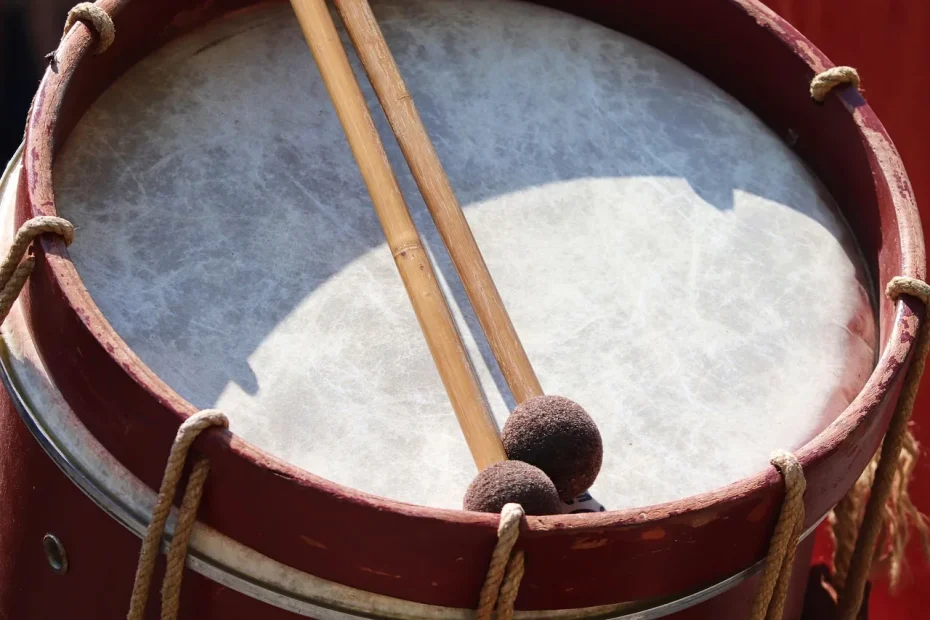
Musical percussion instruments are used to mark the tempo and create the rhythm in music. They produce sounds when a surface or material is struck or vibrates. There is a wide variety of percussion instruments, ranging from drums, cymbals and xylophones to maracas, triangles and bells. Each instrument has its own range of sounds and can be played in different ways: it can be struck, shaken, scraped or rubbed with the hands or special sticks.
Different types of percussion instruments
Percussion instruments come in many forms, each with its own characteristics and unique sounds. Among the most common is the drum kit, a set of drums and cymbals played together by a drummer. Drums produce sounds when a membrane stretched over a wooden or metal shell is struck. Cymbals are thin metal discs struck against each other to produce a sound. Congas are tall, barrel-shaped Cuban drums, while bongos are smaller hand drums. The djembe is a drum from West Africa, carved from a tree trunk and covered with goatskin. Maracas are shaken instruments made of two shells filled with beads or seeds. Timbales are cone-shaped drums, and xylophones are melodic percussion instruments made of bars struck with mallets. The triangle is a small percussion instrument shaped like a metal triangle, and the tambourine is a small hand drum fitted with cymbals.
Each type of instrument has a distinctive sound and can be used in different styles of music, whether to create an infectious rhythm or harmonious melodies. Percussionists often explore the variety of instruments and their possible combinations to create musical arrangements rich in texture and nuance.
Choosing small percussion instruments
Small percussion instruments are a wise choice for percussionists because they help develop a sense of rhythm and explore new stylistic patterns. Each of these instruments has its own playing method and technique, and they can complement musical training.
Among the most popular small percussion instruments are:
- Castanets
- Claves
- The ratchet
- The triangle
- Cowbells
Each of these instruments has a unique sound and can be used in different styles of music. Beyond these familiar instruments, many other small percussion instruments can enrich a percussionist’s range of sounds. The right accessory can add depth and variety to a rhythmic performance.
Small percussion instruments are ideal accessories for exploring new rhythms and adding another dimension to a musical performance.
As a percussionist, your choice of small percussion instruments depends on your playing style and the sounds you want to add to your ensemble. A suitable selection of accessories can help you experiment and create unique rhythms.
To illustrate the variety of small percussion instruments available, here are a few more examples:
- The whip
- The güiro
- The tambourine
- The woodblock
- Maracas
- Jingle bells
- Shakers
- Bar chimes
- Cabasas
These instruments can add interesting textures and nuances to your percussion playing. Whether you are a beginner or an experienced percussionist, exploring small percussion instruments can be rewarding.
In conclusion, the choice of small percussion instruments is essential for a percussionist who wants to explore new sounds and develop their musical sense. These accessories offer a range of unique sounds and complement rhythmic performances beautifully.
Musical instruments of Latin America and the Caribbean
Latin America and the Caribbean are rich in percussion instruments. These regions have many traditional instruments that reflect their cultural and musical diversity. Here are some of the most emblematic percussion instruments of Latin America and the Caribbean:
- Brazilian percussion: the surdo, repinique, caixa, cavaquinho and pandeiro are among Brazil’s emblematic musical instruments. They are widely used in Brazilian samba, a lively and rhythmic musical genre.
- Cuban percussion: bongos, the güiro, maracas and the conga are among the best-known Cuban musical instruments. These percussion instruments add a distinctive rhythmic dimension to Cuban music, particularly through the sound and rhythms of Cuban merengue.
- Caribbean percussion: Caribbean drums, such as the tambou bèlè of the French West Indies, are an integral part of traditional Caribbean music. These instruments give the region’s traditional rhythms a distinctive musical character.
- Peruvian percussion: marimbas, drums and cajons are typical Peruvian musical instruments used in traditional Peruvian music. These percussion instruments add unique rhythmic nuances to Peru’s dances and musical traditions.
- Venezuelan percussion: cuatros, maracas and Venezuelan drums are examples of Venezuelan musical instruments. They are used in traditional Venezuelan music and give it infectious rhythms.
Each region of Latin America and the Caribbean has its own percussion instruments, which play an essential role in artistic and cultural expression. These instruments are used in different musical genres and enable musicians to create unique and captivating rhythms.
| Country/Region | Percussion instruments |
|---|---|
| Brazil | Surdo, repinique, caixa, cavaquinho, pandeiro |
| Cuba | Bongos, güiro, maracas, conga |
| Caribbean | Caribbean drums |
| Peru | Marimbas, drums, cajons |
| Venezuela | Cuatros, maracas, Venezuelan drums |
The wealth of percussion instruments in Latin America and the Caribbean reflects the cultural and musical diversity of these regions. Each country and community has its own musical instruments, which enrich the musical traditions of these vibrant lands.
Musical instruments of Africa — African percussion
Africa is renowned for its rich tradition of African percussion. Traditional African percussion instruments are emblematic of the continent’s culture and music. Here are some of the most popular African percussion instruments:
| African percussion instruments | Image |
|---|---|
| Djembe drum | https://www.youtube.com/watch?v=FMs3LTtgwY8 |
| Dunun | |
| Balafon | 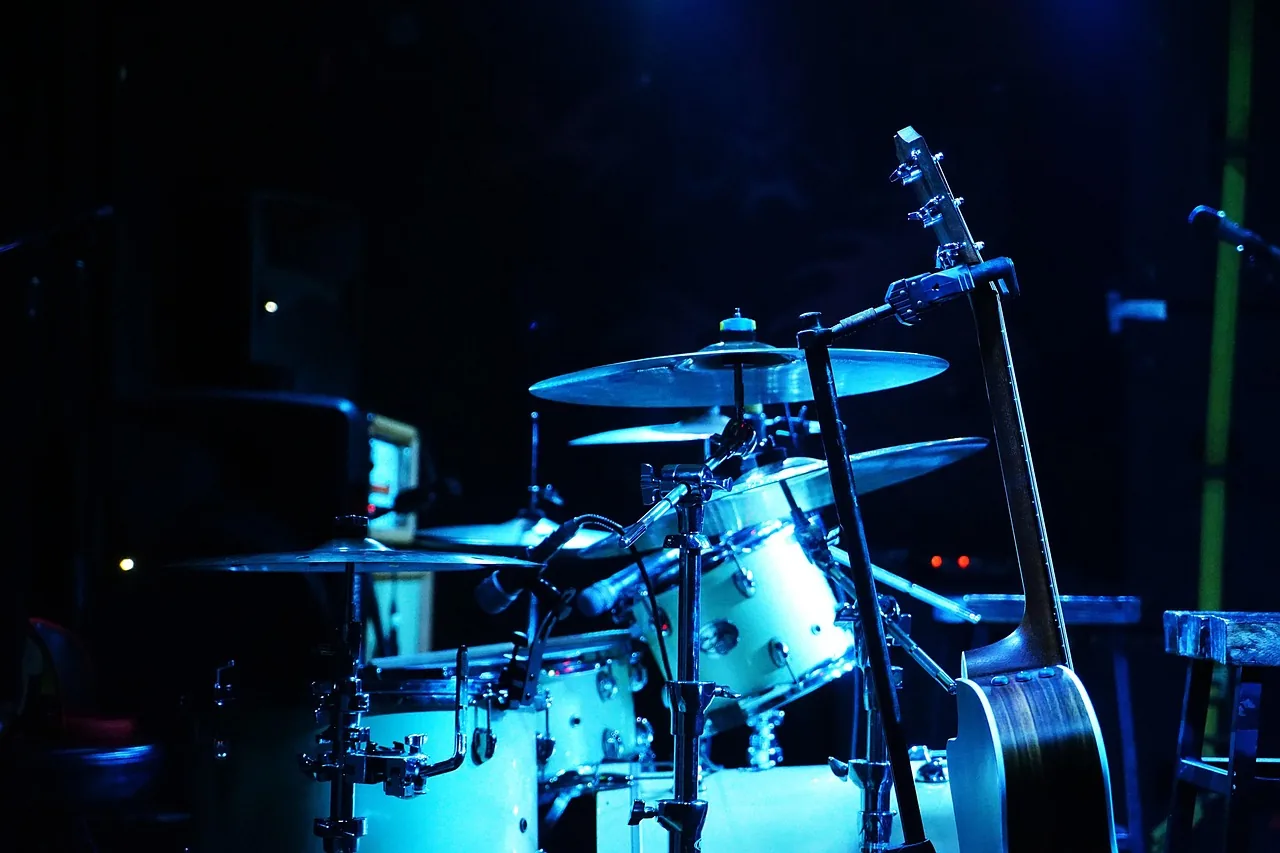 |
| Mbira | |
| Kalimba | https://www.youtube.com/watch?v=woCwdAi3qcw |
| Ratchets | |
| Shekere | |
| Krin | |
| Bells | 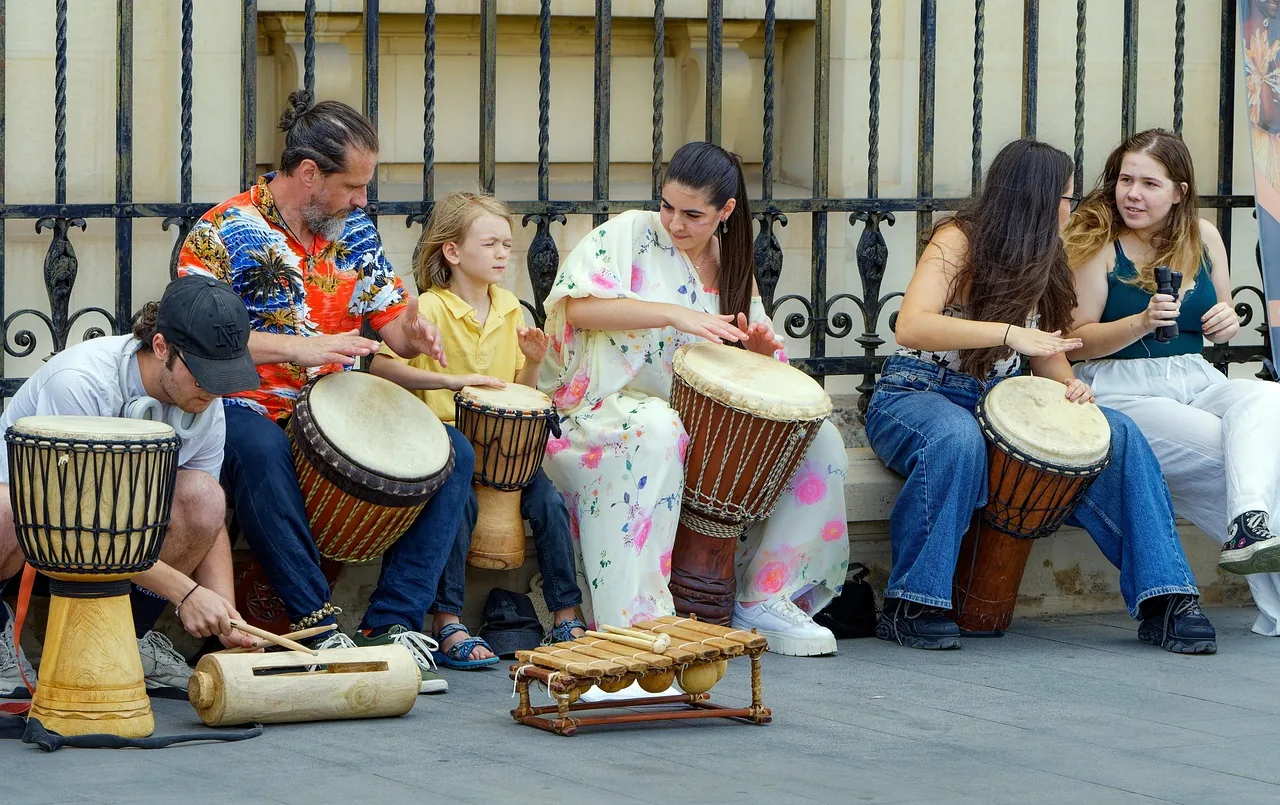 |
| Calabash |
These traditional instruments are widely used in African music to create vibrant, captivating rhythms. They offer unique sounds and are played with passion and skill by African percussionists. Whether played solo, in a group or at traditional ceremonies, African percussion adds a powerful dimension to African music.
Musical instruments of Asia — Indian, Chinese and Vietnamese percussion
Asia offers a wide variety of percussion instruments that enrich traditional Asian music with unique sounds. Among them are gongs, tablas, the dholak, the Tibetan singing bowl, tingsha, jingle bracelets, the khol, the kanjira and Tibetan bell cymbals. These Asian percussion instruments are played in various musical styles, including Indian, Chinese and Vietnamese music, and bring a distinctive sound to these ancient musical traditions.
Gongs are metal percussion instruments originating in China. They are distinguished by their large size and deep, resonant sound. Tablas are a pair of drums used in Indian classical music to accompany melodies and complex rhythms. The dholak is a double-headed drum used in Indian folk music, while the Tibetan singing bowl is a singing bowl used in meditation and spiritual practices.
Asian percussion instruments, such as gongs and Tibetan bell cymbals, are valued for their unique sounds and their ability to create a peaceful, meditative atmosphere.
Tingsha are small Tibetan cymbals that produce a clear, ringing sound when struck together. Jingle bracelets are worn around the wrists and ankles to add rhythm to body movements. The khol is a double-headed drum played in Indian classical music, while the kanjira is a lizard-skin drum used in traditional South Indian music.
Finally, Tibetan bell cymbals are bronze cymbals used in Tibetan Buddhist music to accompany chants and ritual practices.
| Asian percussion instruments | Origin | Characteristics |
|---|---|---|
| Gongs | China | Large size, resonant sound |
| Tablas | India | A pair of drums, melodies and complex rhythms |
| Dholak | India | Double-headed drum used in folk music |
| Tibetan singing bowl | Tibet | Singing bowl used in meditation |
| Tingsha | Tibet | Small cymbals with a clear, ringing sound |
| Jingle bracelets | Asia | Bells worn around the wrists and ankles |
| Khol | India | Double-headed drum used in classical music |
| Kanjira | India | Lizard-skin drum used in traditional South Indian music |
| Tibetan bell cymbals | Tibet | Bronze cymbals used in Tibetan Buddhist music |
Traditional and modern musical instruments of Europe
Europe has many traditional percussion instruments as well as innovative musical instruments. These include the cajon, wooden drums, tongue drum, frame drums, handpan, accessories, tambourines, woodblocks, ratchets and shakers. They are used in a variety of musical styles, from traditional to contemporary music.
The cajon, for example, is a wooden percussion instrument from Peru. It resembles a small snare drum and produces a powerful sound when struck with the hands or special sticks. The cajon is used in many musical genres, including flamenco and Latin music.
Wooden drums are traditional percussion instruments used throughout Europe. They are made from different types of wood and produce a rich variety of sounds. Wooden drums are often used in folk music and marching bands.
The tongue drum, also known as the handpan, is a modern percussion instrument that has grown in popularity in recent years. It has several tongue-shaped notes that produce melodic sounds when struck with the hands. The tongue drum can be tuned to different keys and is used in meditative and ambient music.
Frame drums are traditional percussion instruments made of a skin stretched over a wooden or metal frame. They are used in various musical styles across Europe and produce clear, striking sounds.
The handpan is a modern percussion instrument whose shape resembles a UFO. It consists of two steel shells that produce bell-like sounds when struck with the hands. The handpan is used in contemporary music and has a unique, enchanting sound.
In addition to these instruments, a variety of percussion accessories, such as tambourines, woodblocks, ratchets and shakers, add distinctive textures and sound effects to music.
Traditional and modern musical instruments of Europe
| Instrument | Origin | Use |
|---|---|---|
| Cajon | Peru | Flamenco, Latin music |
| Wooden drums | Europe | Folk music, marching bands |
| Tongue drum (handpan) | Worldwide | Meditative, ambient music |
| Frame drums | Europe | Various musical styles |
| Accessories (tambourines, woodblocks, ratchets, shakers) | Worldwide | Textures and sound effects |
Each of these instruments offers unique musical possibilities and lets percussionists explore a variety of styles and sounds. Whether you are a professional musician or a passionate amateur, Europe’s traditional and modern musical instruments offer a broad range of rhythmic and sonic possibilities to enrich your music.
Conclusion
Percussion instruments offer a unique range of sounds and help create dynamic rhythms in music. Whether you choose drums, cymbals, xylophones or other small percussion instruments, each choice offers varied musical possibilities. Whether you are a beginner percussionist or a professional, the world of percussion instruments invites you to explore new sounds and develop your musical sense.
FAQ
Which percussion instruments are most commonly used?
The most commonly used percussion instruments are the drum kit, drums, cymbals, congas, bongos, djembes, maracas, timbales, xylophones, triangles and tambourines.
What is the difference between percussion instruments and small percussion instruments?
Percussion instruments include larger instruments such as the drum kit, drums and xylophones, while small percussion instruments include castanets, claves, tambourines and maracas.
Which traditional percussion instruments come from Latin America and the Caribbean?
Traditional percussion instruments from Latin America and the Caribbean include the surdo, repinique, caixa, cavaquinho, caxixi, pandeiro, claves, bongos, güiro, maracas, cajon, conga, marímbula, cuíca, berimbau, timbales, rebolo, timbal, alfaia and bells.
Which traditional percussion instruments come from Africa?
Traditional percussion instruments from Africa include the djembe drum, dunun, balafon, mbira, kalimba, ratchets, shekere, krin, bells and the calabash.
Which traditional percussion instruments come from Asia?
Traditional percussion instruments from Asia include gongs, tablas, the dholak, the Tibetan singing bowl, tingsha, jingle bracelets, the khol, the kanjira and Tibetan bell cymbals.
Which traditional percussion instruments come from Europe?
Traditional percussion instruments from Europe include the cajon, wooden drums, tongue drum, frame drums, handpan, accessories, tambourines, woodblocks, ratchets and shakers.