
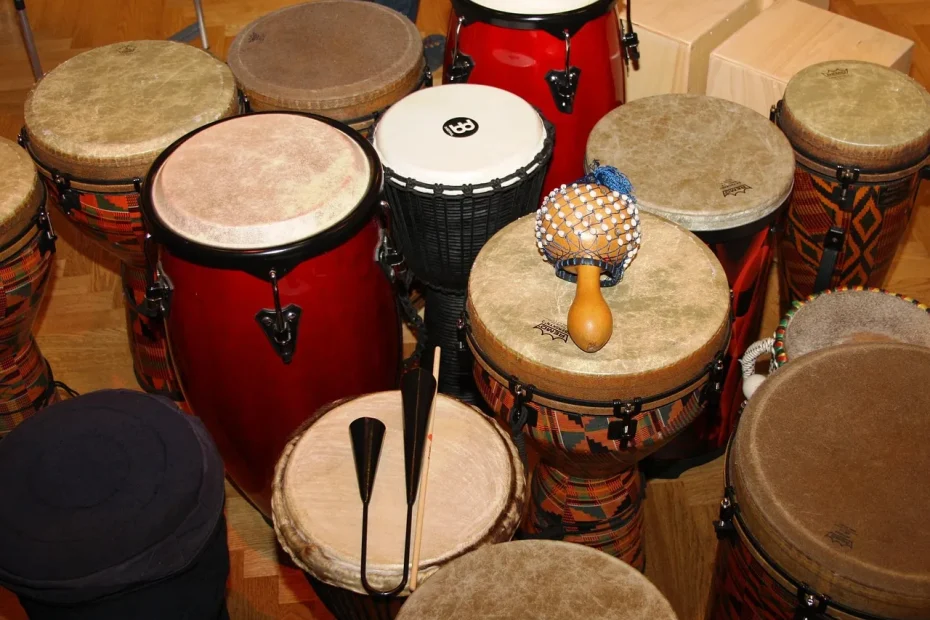
African festivals are vibrant events that celebrate African culture through music, dance and traditions. They offer a unique immersion in the richness of African music and African percussion while highlighting the importance of the djembe, a Mandinka drum from West Africa.
The djembe plays a key role in these cultural celebrations, bringing a captivating rhythmic dimension to performances. Its powerful, expressive sound reflects cultural traditions and the spirit of Africa.
In this article, we will explore African festivals and their close ties to African music and cultural traditions. We will also discover how the djembe has found a place in the modern world by influencing the international music scene. Join us on a captivating musical journey through the cultural celebrations and djembe performances of African festivals.
The importance of the djembe in African culture
The djembe holds a central place in African culture, particularly in music and traditions. This iconic percussion instrument is used at celebrations and rituals such as weddings, funerals, harvest festivals and religious ceremonies. Its powerful, rhythmic sound is considered an expression of the richness and vitality of African culture.
Djembe players master techniques that let them produce a variety of sounds and rhythms, making the instrument versatile and dynamic. By striking different parts of its stretched drumhead with their hands, they create compelling rhythms that evoke the spirit and essence of African traditions.
African music is deeply rooted in the continent’s folklore and traditions. The djembe is an integral part of these traditions and helps pass cultural heritage from one generation to the next. Because of its essential role in celebrations and rituals, the djembe is much more than a musical instrument: it is a symbol of African identity and community unity.
By incorporating djembe rhythms into their compositions, many contemporary African artists continue this musical tradition and share the richness of African folklore around the world. With its distinctive sounds, the djembe adds an authentic, captivating touch to modern African music.
The djembe is the beating heart of African music, a true pillar of culture and a precious link to the traditions of the past.
Examples of djembe rhythms:
| Rhythm | Description |
|---|---|
| Tiriba | A rhythm traditionally played at weddings. |
| Kuku | Used at harvest festivals to thank the gods for good harvests. |
| Mendiani | A rhythm played at funerals to honor the deceased. |
| Doudoumba | A festive rhythm celebrating joy and community. |
The djembe is much more than a musical instrument in African culture. It embodies the spirit and heritage of a continent rich in traditions and folklore. Its presence at celebrations and rituals shows the importance of preserving and sharing traditional African cultural values.
Famous African festivals featuring the djembe
The djembe holds a central place at many African festivals, where it is featured in music and performances. These festivals offer a unique opportunity to celebrate the richness and diversity of African culture through music and traditional dance. Here are some of the best-known festivals featuring the djembe:
- Bamako Djembe Festival: Held in Mali, this festival is one of Africa’s most important events devoted to the djembe. It brings together talented artists from around the world for vibrant performances and drumming competitions. Spectators can enjoy breathtaking shows and discover the richness of African music.
- Sacred Drums Festival: This festival takes place in Senegal and features various kinds of drums, including the djembe. Local musicians and dancers come together to celebrate African traditions and give stunning performances. It offers a true immersion in Africa’s culture and history.
- Percussion Festival: Held in Côte d’Ivoire, this festival is devoted to African percussion, with the djembe taking a prominent role. Renowned artists perform at this colorful event, giving spectators an unforgettable experience and a glimpse of Africa’s authentic rhythms.
These festivals attract talented artists and spectators from around the world who want to discover and appreciate African music and live percussion. They showcase Africa’s cultural richness and encourage exchange and appreciation across cultures.
The djembe’s influence in the modern world
The djembe’s influence extends beyond African traditions into modern music and festivals. Many international artists incorporate djembe-inspired rhythms and melodies into their music, giving their compositions an African feel.
The djembe is also played at music festivals around the world, where it is valued for its distinctive, energetic sound. These events introduce audiences to African music and promote cultural diversity. Whether a festival is devoted entirely to African music or is a more general music festival, the djembe adds a unique, authentic dimension to the musical experience.
Celebrating African music through the djembe
With its vibrant, intoxicating rhythm, the djembe has become a symbol of African music around the world. It crosses cultural and linguistic boundaries, bringing people together through its compelling sound. Music festivals provide an opportunity to showcase the richness and diversity of African music, bringing artists and audiences together around this universal form of expression.
“The djembe is like a voice that speaks directly to your heart and soul. It expresses joy, sadness, celebration and all the emotions of life.” — Mamadou Diabaté, renowned djembe player
The djembe at music festivals around the world
Many international music festivals include African music and djembe percussion in their programs. Music lovers around the world can discover African music in a festive, lively setting.
Whether at world music festivals, cultural events or gatherings focused on diversity, the djembe adds a unique, authentic dimension to the music scene. Its intoxicating rhythms captivate audiences and create a festive atmosphere full of energy and joy.
Exploring new musical horizons
Contemporary artists draw inspiration from African music and traditional instruments such as the djembe while exploring new directions. They blend musical styles and incorporate African elements to create distinctive sounds.
This musical exchange between cultures helps break down barriers and promotes mutual understanding through the universal language of music. Music festivals around the world have become meeting places for this continually evolving creativity.
| The djembe in the modern world | Influence | Area |
|---|---|---|
| Incorporation into international music | Inspiration for new sounds | Music |
| Use at music festivals around the world | Appreciation of its distinctive sound | Cultural events |
| Exploration of new musical genres | Creation of cultural blends | Artistic creativity |
The djembe’s popularity in the modern world shows its ability to cross cultural boundaries and bring people together through music. At music festivals, in studio recordings and at concerts, the djembe continues to play an essential role in promoting and sharing African music.
In closing
The djembe’s influence in the modern world is undeniable: it has a prominent place at music festivals and appears in many musical genres. It symbolizes the richness and diversity of African music, stirring hearts and moving bodies to dance. Whether you are a music lover or an artist, the djembe offers a unique and unforgettable musical experience.
Conclusion
African festivals offer a unique opportunity to discover cultural celebrations and African music while highlighting the djembe’s essential role. Through vibrant performances and captivating dances, these events let visitors immerse themselves in African traditions. Festivalgoers can have an authentic experience by taking part in ancestral rituals, listening to enchanting melodies and dancing to the rhythms of African percussion.
African festivals celebrate the continent’s cultural diversity by bringing together artists and spectators from around the world. They showcase the richness of African music and the talent of local musicians while letting festivalgoers discover new sounds. Whether it is the Bamako Djembe Festival in Mali, the Sacred Drums Festival in Senegal or the Percussion Festival in Côte d’Ivoire, these events captivate the senses and leave lasting memories.
By joining these festivities, visitors can enjoy exceptional musical performances, immerse themselves in African culture and learn more about each region’s traditions. With its powerful, rhythmic sound, the djembe is at the heart of these cultural celebrations, bringing unmatched energy to every festival. In Africa and at international festivals alike, cultural celebrations and the djembe continue to bring cultures together and promote the richness of African music worldwide.
FAQ
What is a djembe?
The djembe is a Mandinka drum from West Africa.
What role does the djembe play in African culture?
The djembe plays a crucial role in African music and traditions. It is used at celebrations, rituals and religious ceremonies.
Which famous African festivals feature the djembe?
Among the best-known are the Bamako Djembe Festival in Mali, the Sacred Drums Festival in Senegal and the Percussion Festival in Côte d’Ivoire.
How does the djembe influence modern music?
The djembe inspires many international artists, who incorporate its rhythms and melodies into their music. It is also played at music festivals around the world for its distinctive, energetic sound.
Why are African festivals important?
African festivals offer a unique opportunity to discover cultural celebrations and African music while highlighting the djembe’s essential role. They let visitors immerse themselves in African traditions and promote the richness of African culture around the world.