
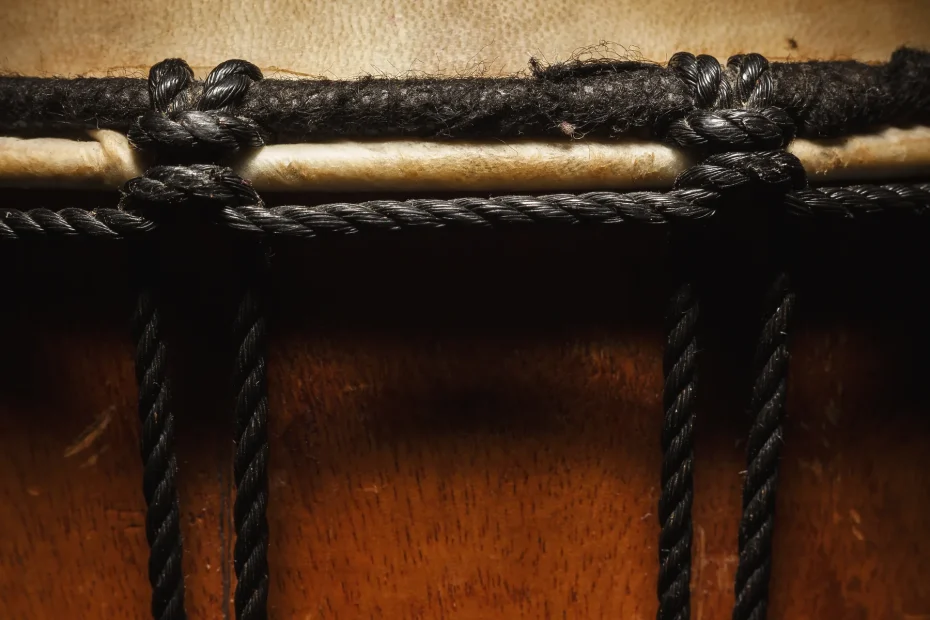
The djembe, an iconic African percussion instrument, holds a central place in modern music. It brings a distinctive fusion of styles and influences that enriches the contemporary music scene.
West Africa, the birthplace of many musical traditions, has a rich musical history that includes genres such as Afrobeat, highlife and calypso. These genres incorporate the djembe and showcase its distinctive sound.
The djembe is considered the “magic drum” and the “healing drum” of African tradition. Its unique sound and versatility make it an essential instrument for blending different musical styles and influences.
West Africa’s influence on modern music
West Africa has played a major role in the development of modern music, particularly through genres such as Afrobeat, highlife and calypso. These musical styles arose from the fusion of African musical traditions and Western influences, creating a new sound that quickly gained popularity around the world.
Afrobeat, for example, is a dynamic genre popularized by the legendary Nigerian musician Fela Kuti. It combines elements of traditional African music with jazz, funk and soul rhythms, creating a distinctive and exhilarating fusion. Adding the djembe to Afrobeat brings powerful rhythms and an authentic texture to the music, enriching the listening experience.
Highlife, meanwhile, is a genre from Ghana that combines elements of traditional African music with Western influences such as jazz and popular music. The use of the djembe in highlife helps create lively, joyful rhythms that invite dancing and celebration. Musicians such as E.T. Mensah pioneered the genre and brought highlife to audiences around the world.
Calypso, which originated in the Caribbean and was influenced by West African musical traditions, is a festive, rhythmic genre popularized by artists such as Harry Belafonte. The djembe is often used in calypso to bring a sunny Caribbean atmosphere to the music, transporting listeners to the islands.
West Africa’s influence on modern music is profound and undeniable. African rhythms, polyrhythm and the djembe’s unique sounds have enriched contemporary music by blending several styles and influences. These genres have captivated listeners around the world and become cultural ambassadors for a West Africa rich in musical traditions.
It is important to recognize West Africa’s impact on modern music and celebrate the diversity and richness of its rhythms and melodies. This influence continues to inspire contemporary artists and cross cultural boundaries.
Influential West African artists in modern music
| Genre | Artist |
|---|---|
| Afrobeat | Fela Kuti |
| Highlife | E.T. Mensah |
| Calypso | Harry Belafonte |
| Afrobeat | Tony Allen |
These artists played a key role in spreading African music and contributed to the rise of modern music as we know it today. Their talents produced timeless, influential works that continue to inspire new generations of artists around the world.
West Africa’s influence on modern music reflects the region’s cultural and musical richness. It reminds us of the importance of preserving and celebrating African musical traditions and recognizing their continuing contribution to the global music scene.
The djembe’s role in traditional African music
The djembe plays an essential role in traditional African music. Used for centuries, this percussion instrument is an integral part of West Africa’s musical culture. Its role goes far beyond producing rhythms: it is central to the region’s traditions and ceremonies.
Griots, traveling musicians who hold a central place in African society, use the djembe to pass on oral traditions through music. They play different rhythms and melodies to tell stories, recount legends and share ancestral teachings. The djembe thus provides a means of communication between generations, fostering a sense of community and the expression of emotions at social events and ceremonies.
The djembe brings powerful rhythms and unique sounds to traditional African music. Its stretched drumhead and wooden body produce a deep, resonant sound that stirs hearts and souls. Percussionists play complex rhythmic patterns, creating a symphony of percussion that takes listeners into the heart of African culture.
The rhythms played on the djembe vary among West Africa’s ethnic groups and cultures. Each region has its own styles and playing techniques, giving African music great richness and diversity. Despite these differences, the djembe remains a versatile instrument that can adapt to and blend with other musical styles and influences.
The djembe’s influence extends beyond traditional African music. Musicians around the world incorporate the instrument into their compositions, creating a fusion of genres and cultures. The djembe plays an essential role in modern music by adding an authentic African rhythmic touch. It continues to inspire artists worldwide, crossing borders and language barriers.
In conclusion, the djembe holds a special place in traditional African music. It carries West Africa’s cultural and musical richness. Its role in passing on traditions, expressing emotions and blending styles makes it an iconic instrument that endures through the generations.
The importance of percussion in African music
Percussion plays an essential role in African music, and the djembe is one of its most iconic percussion instruments. African music uses a variety of traditional percussion instruments, such as drums, maracas and bells, to create complex, dynamic rhythms. African percussion is often used to communicate emotions and experiences at community gatherings. The rhythm and groove of African percussion are at the heart of both traditional and modern music: they create a festive atmosphere and encourage audience participation.
Conclusion
The djembe, an African musical instrument, holds a fundamental place in modern music by blending different styles and influences. African music, particularly that of West Africa, has a richness and diversity that have profoundly influenced contemporary music around the world. By incorporating the djembe and other African percussion instruments, modern music gains unique rhythms and authentic sounds. This fusion of styles and influences demonstrates the vitality and creativity of African music, as well as its lasting global impact.
The musical fusion made possible by the djembe opens up new horizons by bringing African musical traditions together with modern sounds. It creates a universal musical language that crosses borders and brings cultures together. The richness of African music lies in its ability to stir deep emotions and strengthen human connections through its captivating rhythms and melodies.
In conclusion, the djembe embodies musical fusion and bears witness to the richness of African music. Its versatility and authenticity have allowed it to fit naturally into modern music, adding a distinctive and captivating dimension to the contemporary music scene. At international festivals and in modern music productions alike, the djembe continues to captivate and delight audiences worldwide while honoring the musical expression of West Africa’s rich history and culture.
FAQ
What role does the djembe play in modern music?
The djembe plays an essential role in modern music by contributing to a distinctive fusion of styles and influences. It brings distinctive rhythms and authentic sounds to contemporary music.
Which musical styles incorporate the djembe?
The djembe is used in various genres linked to West Africa, such as Afrobeat, highlife and calypso. These genres arose from the meeting of African musical traditions and Western influences.
What role does the djembe play in traditional African music?
The djembe plays an essential role in traditional African music by providing powerful rhythms and unique sounds. It is used by griots at various ceremonies and social events.
Why is percussion important in African music?
African percussion, of which the djembe is an iconic instrument, plays an essential role in African music. It creates complex, dynamic rhythms that communicate emotions and encourage audience participation.
How has West Africa influenced modern music?
West Africa has had a considerable influence on modern music through genres such as Afrobeat, highlife and calypso. These genres blended African musical traditions with Western influences, helping to popularize African music around the world.
How has African music contributed to modern music?
Through its richness and diversity, African music has contributed to modern music by blending different styles and influences. The use of the djembe and other African percussion instruments adds depth and richness to the contemporary music scene.