
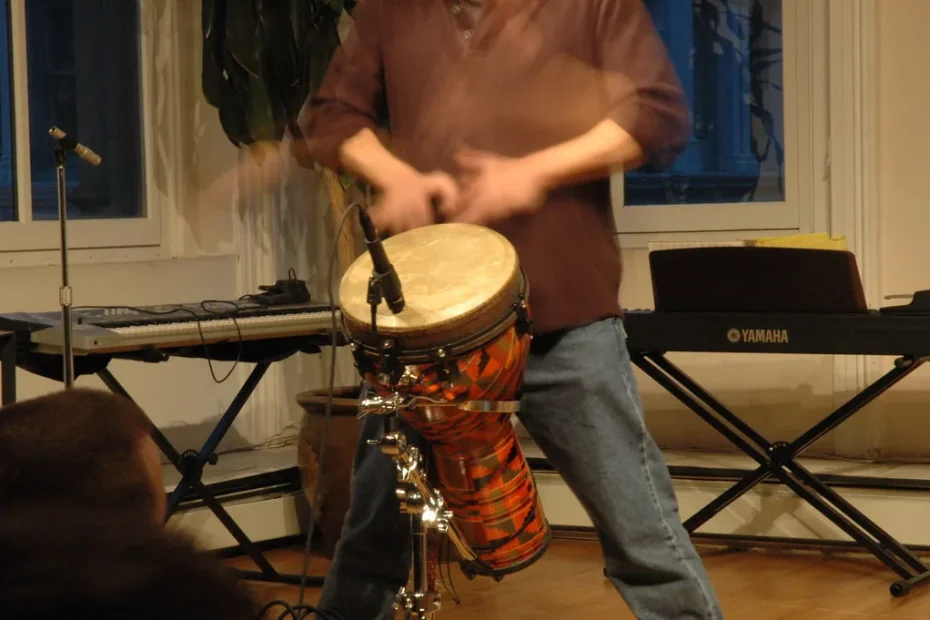
The Guinean djolé is a well-known percussion instrument in Africa. To learn to play it, following Mamady Keïta’s method is essential. This method helps students understand the basics of djolé and progress quickly.
Lessons from master players are another good way to learn. They offer valuable guidance and advice.
By visiting the djolé lessons site, you can learn more about this approach. Djolé has a rich history and culture. Learning to play it is an enriching and rewarding experience.
Students have several options for learning djolé. They can choose books, DVDs or online lessons. Prices range from $12.95 for “Tiriba Kan” to $26.95 for “Djembe (D)” in German.
Finding a good teacher and a supportive group is essential. They will help you progress as you learn djolé.
Mamady Keïta’s legacy in the art of djolé
Mamady Keïta, a master djoléfola, profoundly shaped the art of traditional djolé. He taught djolé for many years and created a unique method for learning to play it.
Traditional djolé holds an important place in Guinean culture. Mamady Keïta collaborated with renowned artists to promote this culture. Djolé dance, which often accompanies the rhythm, expresses joy and creativity.
- Passing on traditional knowledge: Mamady Keïta devoted his life to passing on the knowledge and skills associated with djolé to future generations.
- Promoting Guinean culture: he worked tirelessly to promote Guinean culture and traditional djolé around the world.
- Developing a unique method: Mamady Keïta created a way of teaching djolé that is both effective and accessible to everyone.
Mamady Keïta’s legacy in the art of djolé is rich and varied. His influence on Guinean culture and traditional djolé will be felt for generations.
The fundamentals of traditional djolé
Learning djolé requires mastering the basics. Online djolé instruction is available through videos, tutorials and lessons. These resources are essential for beginners.
Regular practice is important. Following structured lessons helps you progress.
The fundamentals of djolé include good posture and hand movements. Basic rhythms are also essential. These techniques help you play authentically.
Sites such as Free-scores offer resources for learning djolé. They provide sheet music, CDs and DVDs for beginners.
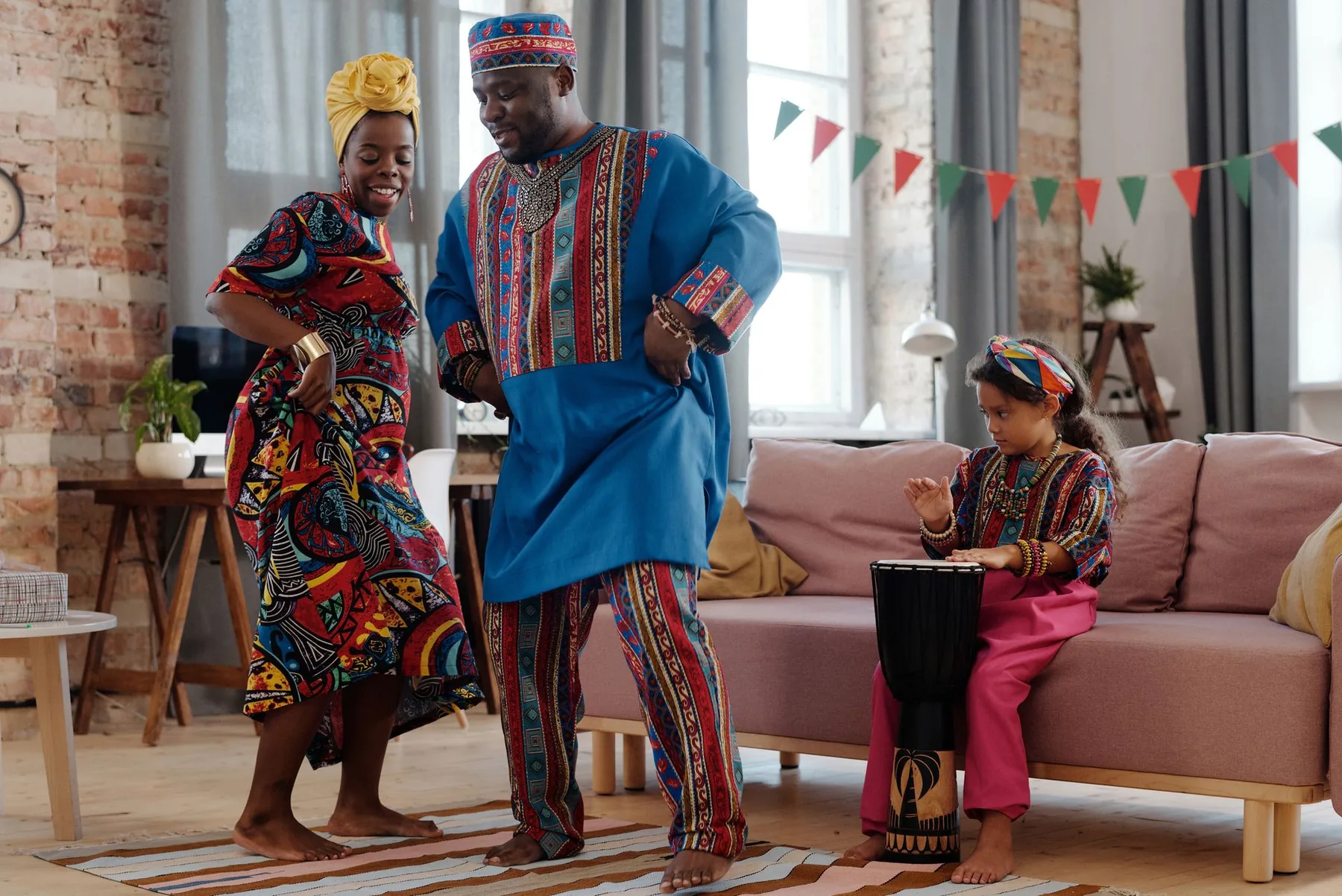
Here are a few tips for beginners:
* Learn the basic techniques first.
* Practise regularly to improve.
* Follow structured lessons to make progress.
By following these tips and using online resources, you can learn to play djolé. You will make progress with this traditional instrument.
Learn djolé with Mamady Keïta’s method: the essential basics
Mamady Keïta’s method for learning djolé focuses on the basics. It covers good posture, striking techniques and basic rhythms.
Online djolé lessons are a good starting point. They let you work through the lessons at your own pace. Mamady Keïta’s method is well suited to this approach because it focuses on the fundamentals.
Good posture
Good posture is essential for playing djolé without tiring yourself out. Sit or stand upright and position your hands and arms properly so you can strike accurately.
Fundamental striking techniques
Striking techniques are essential for playing djolé. They include open and closed strokes, which produce the sounds you want.
Understanding basic rhythms
Understanding basic rhythms is essential for playing djolé musically. You need to know how to use different rhythms to create engaging music.
By following Mamady Keïta’s method and practising, intermediate djolé players can improve. Online lessons are a good way to begin or continue learning. Mamady Keïta’s method suits this kind of study well.
| Product | Price |
|---|---|
| Djembe Koukel Vol.2 Cd’s | 41.60 EUR |
| Djembissimo 4 | 5.50 EUR |
| Djembe Rythmes De Guinee Schepers 2 Cd’s | 19.80 EUR |
A unique learning progression
Mamady Keïta’s method for learning djolé follows a learning progression. It lets students advance at their own pace. The method is accessible to people exploring djolé for beginners and to intermediate students. It provides a deeper understanding of the instrument and Guinean culture.
To learn more about Mamady Keïta’s method, consult the online resources. They offer lessons and exercises for beginners. Prices for djolé CDs and DVDs range from 17.80 EUR for Djembe Français to 56.10 EUR for Dvd Djembefola Bonus Mögöbalu.
Here are a few reference prices:
- Djembe Koukel Vol.2 Cd’s: 41.60 EUR
- Djembissimo 4: 5.50 EUR
- Djembe Rythmes De Guinee Schepers 2 Cd’s: 19.80 EUR
Mamady Keïta’s learning progression helps students better understand the instrument and Guinean culture. People discovering djolé for beginners can advance at their own pace and become skilled djolé players.
Bringing dance and djolé together
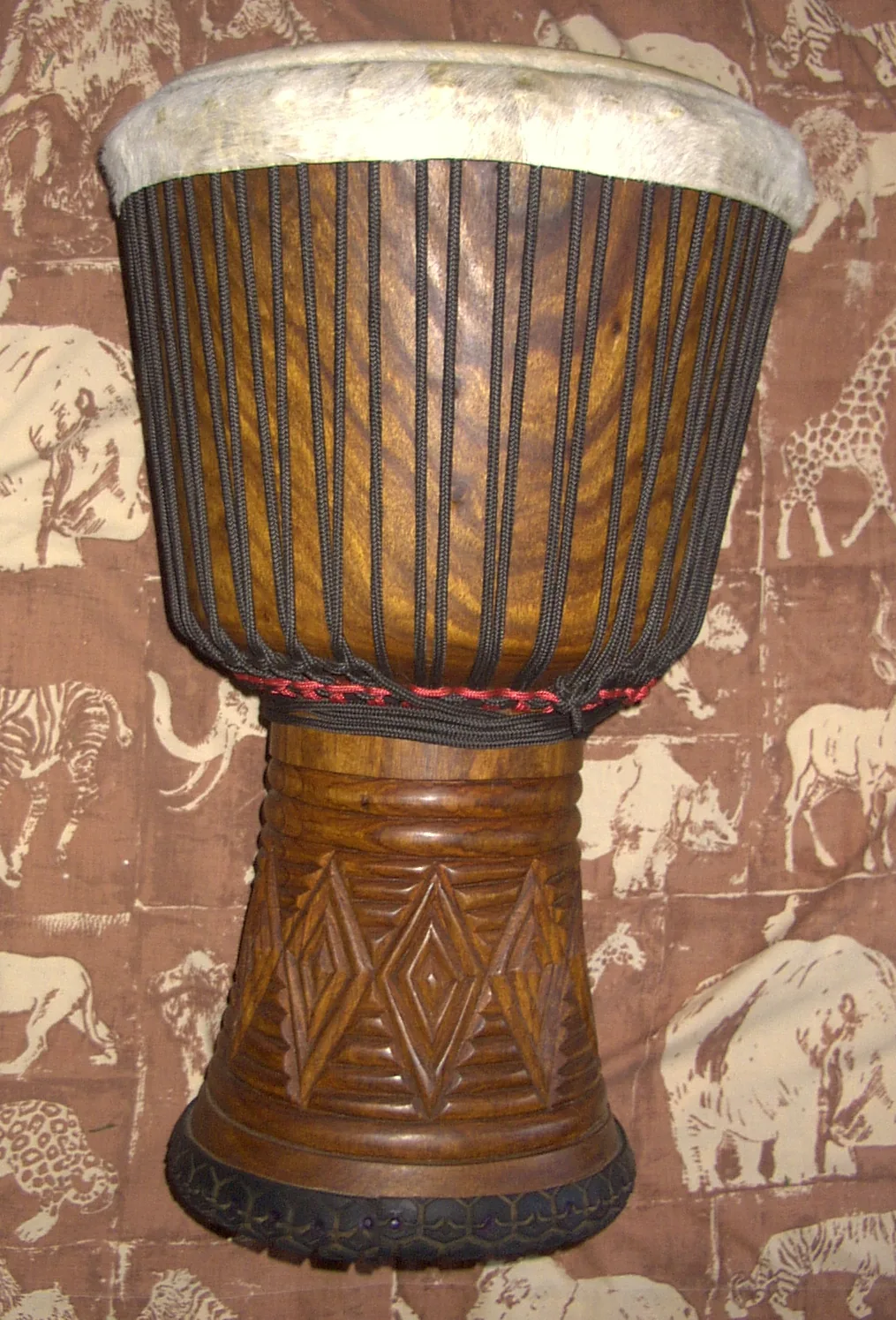
Dance and djolé are closely linked in Guinean culture. Dancers’ movements synchronize with djolé rhythms, creating a distinctive, immersive experience. Rituals and celebrations play an important role in this culture, with djolé at their heart.
The movements of djolé dance are full of energy and grace. Percussion is essential to accompanying them: it creates a rhythm that guides the dancers. Rituals and celebrations provide occasions to present these movements and rhythms. They highlight the importance of dance and djolé in Guinea.
- The traditional movements of djolé dance
- Synchronization between dance and percussion
- The rituals and celebrations that showcase dance and djolé
| Dance movements | Djolé rhythms | Ritual or celebration |
|---|---|---|
| Traditional dance | Traditional rhythm | Harvest festival |
| Contemporary dance | Modern rhythm | Music festival |
Recommended practical exercises
Djolé exercises are essential for making progress. You need to do warm-ups, work on rhythmic progression and practise coordination. You can learn more about traditional djolé methods.
Warm-ups prepare your hands and fingers to play. They improve flexibility and coordination. Rhythmic progression helps you better understand rhythms and beats.
Here are some recommended djolé exercises:
- Warm-ups: move your fingers, rotate your wrists and stretch your hands
- Rhythmic progression: practise basic rhythms, then move on to more complex ones
- Coordination exercises: play rhythms with both hands, alternating between right and left
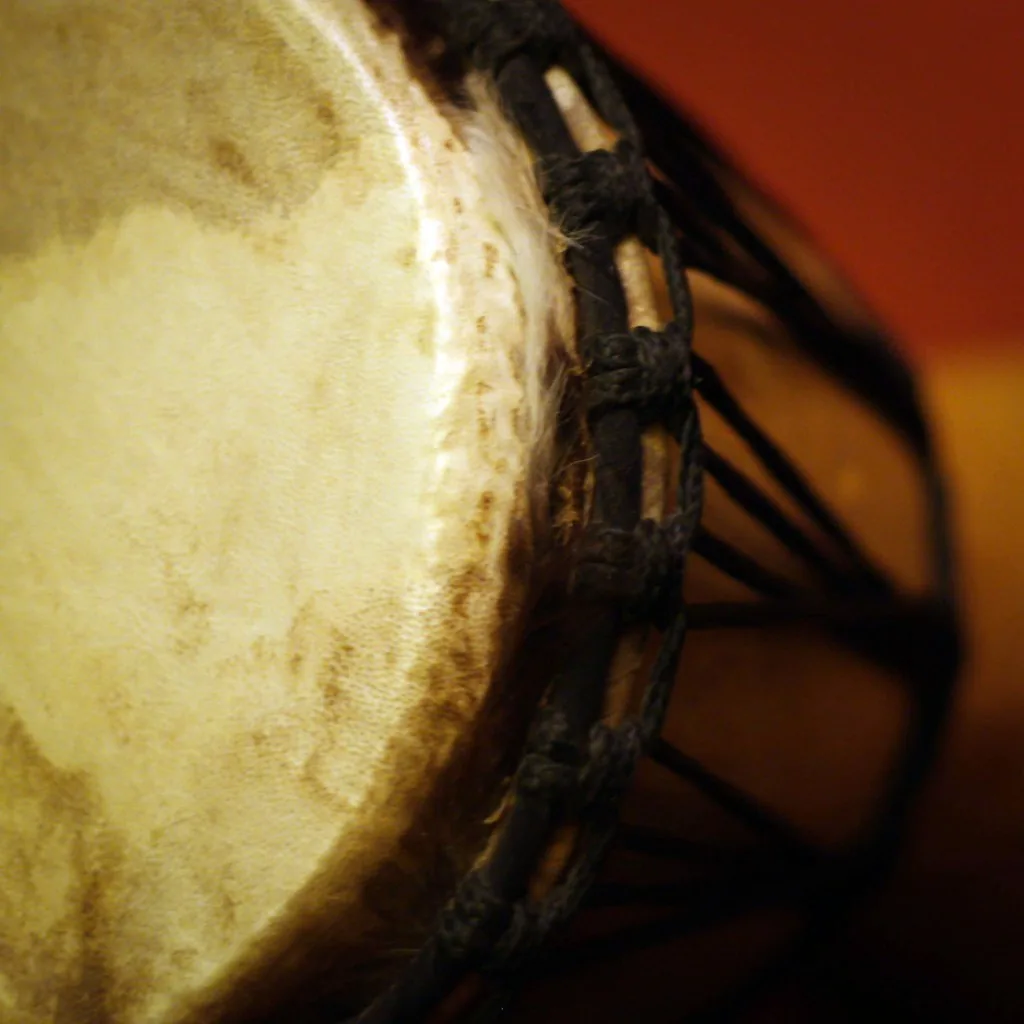
Regular practice will improve your skills. You will understand the instrument and the music better. Remember to warm up and take breaks to avoid injury.
| Exercise | Goal |
|---|---|
| Warm-ups | Prepare the hands and fingers |
| Rhythmic progression | Develop a thorough understanding of rhythms |
| Coordination exercises | Improve coordination between the hands |
Conclusion: your journey into the world of djolé
Your journey into the world of djolé is a captivating adventure. Mamady Keïta’s method introduces you to the secrets of this instrument. Whether you are a beginner or an experienced player, you will discover new sides of djolé.
You will learn traditional rhythms and discover the dance and rituals. This will connect you with Guinea’s ancestral music. Each step brings you closer to the essence of djolé and offers a profound musical experience.
Please contact us if you have any questions or would like to propose a collaboration. We will guide you on this exciting journey through the world of djolé.
FAQ
What is Mamady Keïta’s method for learning djolé?
What are the benefits of learning djolé with Mamady Keïta’s method?
How important is djolé in Guinean culture?
What are the basic techniques for playing djolé?
How does Mamady Keïta’s method provide a suitable learning progression?
How are dance and djolé connected in Guinean culture?
Which practical exercises are recommended for improving djolé skills?
Source links
- https://leicestershiremusichub.org/djole
- http://french.china.org.cn/culture/txt/2022-03/16/content_78111551.htm
- https://www.chinadaily.com.cn/a/202407/09/WS668c6872a31095c51c50d0b4_5.html