

Goal: provide a clear comparison of the main differences between wooden and metal models, and help you choose according to your preferences and intended use.
Quick definition: a wooden model produces a warm, mellow sound and has a natural appearance. A steel model has a clearer, more metallic tone and better withstands impacts and temperature changes.
We compare materials, design, durability, sound, volume, number of notes, playing methods, cost and maintenance. In Europe, steel versions cost around €22.90 to €499, while handcrafted wooden instruments can cost considerably more ($290 to $1,490).
Practical context: steel projects sound better in public performances; wood lends itself to intimate settings and meditation. When choosing, consider your budget, preferred tuning, number of notes and playing method.
For practical criteria, see this tongue drum buying guide.
Understanding the instruments and the purpose of this comparison
To guide your choice, let’s first define the models covered and the scope of the comparison.
Definitions: “tongue drum” is a general term covering both wooden instruments and steel models. Both are melodic percussion instruments: each tongue or blade produces a distinct note.
The handpan, invented by PANArt in 1999, provides a useful point of comparison. Made from two welded shells with dimples, it is played mainly with bare hands and offers a wider range of sounds than most tongue drums.
Types and uses: wooden models have carved blades, while steel models have cut tongues. A steel tongue drum can be played with the hands or mallets and generally offers 6 to 9 notes, making it easier to learn.
- Scope of the comparison: materials, design, number of notes, sound and uses.
- Uses in France: relaxation, yoga, music therapy, early music education and improvisation.
- Projection: the instrument is relatively quiet; a handpan projects more, which is useful on outdoor stages.
The rest of this article examines materials, sounds, playing methods and scales, followed by cost and maintenance. For practical examples, see our selection of instruments.
Materials and construction: steel or wood, design and durability
The material, assembly and finish determine the instrument’s appearance, durability and tone.
Construction and materials
Metal construction: a body made from thick sheet metal, with tongues cut by laser or water jet. Each tongue is tuned to produce a specific note. The steel tongue withstands impacts and temperature changes well; minor tuning changes can often be corrected with a magnet.
Wood construction: a solid wood sound box with blades carved and tuned according to their length and thickness. The chosen wood (bamboo, maple, acacia, ash and others) affects density, projection and tone.
Design, finishes and maintenance
Steel has a contemporary look, smooth finishes and a range of colors. Wood has an organic, warm appearance that is especially appreciated in sound therapy.
“For a traveling musician, durability comes first; for a studio practitioner, the appearance and warmth of wood may matter more.”
Maintenance: steel needs little attention; wood requires humidity control and an occasional application of oil or wax.

Practical choice: favor a metal model for outdoor use and travel, and a wooden model for intimate sessions and studio work. To explore models and accessories, see this information about the steel tongue drum or these playing tips here.
Sound, resonance and volume in different settings
Depending on the setting and style, each instrument reveals distinct sound qualities. This section explains how the material affects tone, projection and use.
Tone and resonance
Clarity and brightness: a metal model has a more defined attack and more noticeable overtones. It suits attentive listening and arrangements in which sound definition matters.
Warmth and roundness: a wooden model produces a softer sound, often perceived as enveloping and relaxing. It softens the attack and encourages extended listening.
Projection and volume
Outdoors or before an audience, a metal model projects sound better. Indoors, reverberant rooms enhance the warmth of wood.
The handpan generally fills more sonic space because of its greater volume and stronger overtones. Some instruments can, however, be amplified for workshops or stages.
Moods and styles
- Relaxation, yoga and music therapy: choose the softness of wood for a calming experience.
- Modern performances and street music: metal offers presence and rhythmic precision.
- Mixing and experimentation: a variety of tones is possible by combining acoustic sources with amplification.
“Choose the instrument that serves your musical intention and suits the place where you play.”
To learn more about its characteristics and maintenance, see this practical guide: everything you need to know about the tongue drum.
Playing, handling and expressiveness
How you play immediately changes the sound and affects how easy the instrument is to learn.
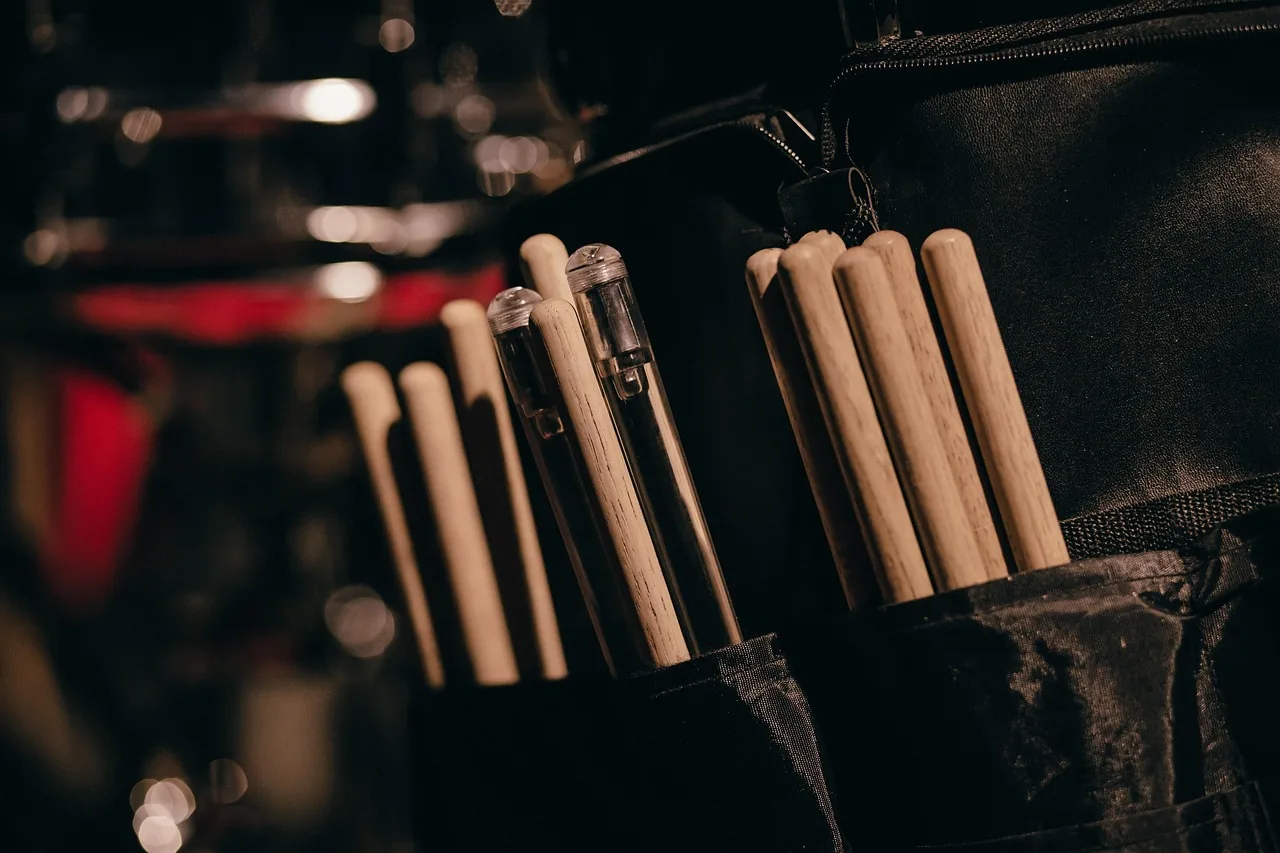
Hands or mallets: playing with your hands provides an organic touch and lets you vary the tone through striking force and finger position. Mallets, with wooden handles and rubber heads, produce a consistent attack and protect the surface. They also make precise playing easier for beginners.
Accessibility and learning curve
Many models have note markings. These numbers make it easier to find notes and remember patterns. The instrument is therefore highly accessible in workshops or for self-directed learning.
By comparison, the handpan is played only with the hands and requires a finer touch. Muting techniques, playing different areas and ghost notes make it take longer to master.
“Combining hands and mallets lets you vary your expression to suit the musical setting.”
Practical tips
- Posture: place the instrument on your lap, a table or a stable stand to play comfortably.
- Resonance control: use your palm to control resonance and make musical phrases clearer.
- Exercises: slowly alternate between hands and mallets, and practice diatonic patterns of 6 to 9 notes to develop a steady pulse.
| Method | Precision | Expressiveness | Best suited to |
|---|---|---|---|
| Hands | High (dynamic nuances) | Broad (tonal variations) | Performers, intimate sessions |
| Mallets | Very consistent | Even but clear | Beginners, teaching, guided performances |
| Hands and mallets | Flexible | Creative | Sound explorers |
Number of notes, scales and sound fields
An instrument’s range depends as much on the number of notes as on the overtones it can produce.
Tonal framework: most tongue drums are tuned to diatonic scales. This makes intuitive improvisation easier and produces consistently consonant harmonies.
Typical number of notes
Common models generally offer 6 to 9 notes. This keeps complexity down and makes the instrument accessible in workshops and music therapy.
Comparing the possibilities
- Tongue drums offer a simple, coherent range that is ideal for relaxation and accompaniment.
- Handpans have 7 to 10 main notes and may offer up to 21 sound fields, including low and high overtones.
- Chromatic flexibility is more limited: you need to choose the right scale (such as D minor or pentatonic) for your intended use.
“For guided sessions and beginners, a simple tonal layout is reassuring; for richer solos, choose an instrument with more sound fields.”
Tip: choose consonant modes for therapy and more colorful scales if you want to explore your creativity. Some makers experiment with note layouts, but simplicity and accessibility remain central to these instruments.
Price, durability and maintenance: what to budget for today
The purchase price is only part of the picture: compare price ranges, durability and running costs before buying.
Current price ranges: metal models are available in stores for €22.90 to €499, with miniature versions starting at around $50 online. Wooden instruments cost substantially more, approximately $290 to $1,490 depending on whether they are handcrafted or mass-produced. Handpans are more expensive, at €999 to €2,999.
Durability and maintenance: metal better withstands impacts and temperature changes; tuning problems are uncommon and can often be corrected with a magnet. Wood requires humidity control and regular care with oil or wax.
- Budget and use: invest in wood for its appearance and high-end organic sound; choose metal for travel and workshops.
- Additional costs: cases, mallets, light amplification and, possibly, a tuning service.
- Warranties: some stores offer a two-year warranty and a tuning service, which can be useful for high-end models.
“If possible, try several finishes and listen to how long each instrument resonates in a store before deciding.”
Steel tongue drum vs. tongue drum: key differences to guide your choice
To choose between a metal model and a wooden one, let’s examine their practical strengths and sonic limitations.

Advantages and drawbacks compared
Material: a metal model offers durability, stability and easy maintenance. A wooden model has a natural appearance and distinctive acoustic qualities, but needs regular care.
Sound and projection: metal produces a clear sound that projects better outdoors. Wood delivers a warm, mellow tone, ideal for relaxation and music therapy.
- Notes & range: most instruments offer 6 to 9 diatonic notes, enough for improvisation but limiting for more extensive harmonic exploration.
- Use: metal suits traveling workshops and stages; wood suits intimate sessions and quiet studios.
- Budget: a metal model often offers the best value; handcrafted wood can justify its higher price through its sound and appearance.
“Try several models if possible: their feel and sound tell you more than specification sheets.”
For a detailed buying guide, follow this link. Base your choice on the sound you want, where you will play and your budget.
Conclusion
Your choice depends mainly on where you will play, your budget and the sound you want.
In summary: a wooden model offers warm sound and a natural appearance but needs more care. A steel model provides a clearer sound, better projection and excellent durability.
Tongue drums often have 6 to 9 notes, enough for improvisation and wellness sessions. Try playing with both hands and mallets, listen to the resonance, and consider whether you will use the instrument outdoors or in a quiet space. For a comparison of materials and practical examples, follow this link before buying.