

A singing bowl produces sounds that invite calm. Many practitioners describe a feeling of relaxation, especially during meditation. This instrument sometimes accompanies a break devoted to well-being, without replacing medical care.
But which effects have researchers confirmed? In 2014, a study compared sessions with and without a singing bowl among 51 people. It helps distinguish personal experiences from the results observed by researchers.
Another example comes from the University of San Diego. Published in 2016, its study followed 62 participants aged 21 to 71. Then, a 2020 study associated twelve minutes of listening with a lower heart rate and an improved mood.
These results should be interpreted with caution. A review published in 2025 examined 19 studies, including 9 randomized controlled trials. The evidence suggests a possible benefit for relaxation but does not guarantee a medical effect. This article presents that research and the limitations to keep in mind. For additional guidance, see our guide to the effects of sound.
Benefits of Tibetan singing bowls: what can you really expect?
A Tibetan singing bowl can be part of a complementary approach to well-being. It sometimes accompanies a break, meditation or a relaxation exercise. It never replaces medical treatment, particularly for cancer or Alzheimer’s disease.
A well-being instrument, not a medical treatment
A 2016 study of 62 participants gathered their impressions after a sound meditation session. These results describe an experience but do not prove that the instrument treats a disease. Its main purpose is relaxation, rather than medical care.
Effects vary by person and setting
Sounds and vibrations do not affect everyone in the same way. Hearing sensitivity, surroundings and state of mind influence the experience. For some people, this tool helps ease stress in the moment. Persistent anxiety, however, calls for appropriate medical advice.
- A singing bowl can accompany a calming practice.
- Tibetan singing bowls do not replace professional care.
- Persistent symptoms warrant a consultation.
How does a Tibetan singing bowl work?
A singing bowl is handmade, but its shape and sound vary by workshop. Artisans in Tibet, Nepal, India and Japan are associated with its production; no single method describes every model.
Origins, craftsmanship and metal alloys
Some bowls contain up to seven metals. Copper and tin are among the materials used in certain models. Production varies by artisan and by piece. A traditional name therefore does not guarantee that every instrument has the same composition.
Sounds and vibrations: what can you actually feel?
A gentle strike or rubbing motion makes the instrument resonate. The ear hears the sound; vibrations may also be felt through touch. Hand position, technique and individual sensitivity change the experience. Depending on distance and contact, a vibration may be felt in the body.
During meditation, attentive listening helps you notice these variations. Explanations involving chakras belong to a spiritual approach, without medical evidence of an effect on balance. Tibetan singing bowls therefore do not affect everyone in the same way, and each person’s experience is their own.
What do studies say about Tibetan singing bowls?
Research describes possible effects on relaxation, but it does not establish a therapeutic effect. Instead, it offers insight into how people feel after listening to the sounds.
Encouraging findings on relaxation and perceived stress
On May 1st, 2014, a study compared meditation with and without the instrument among 51 people. Published on September 30, 2016, a University of San Diego study followed 62 participants aged 21 to 71. After a session, they reported less tension and perceived stress.
A 2020 study associates twelve minutes of listening with a lower heart rate and an improved mood. These results suggest an experience that may support well-being, without proving a lasting effect on the body.
“A sign of relaxation is not proof of treatment.”
Evidence remains limited and studies require cautious interpretation
A review published in 2025 analyzed 19 studies, including 9 randomized controlled trials. It found that the quality of the evidence varied. Small groups, participants’ expectations and differences between sessions limit the conclusions. A Tibetan singing bowl can accompany a break, but the benefits observed do not prove that it treats anxiety.
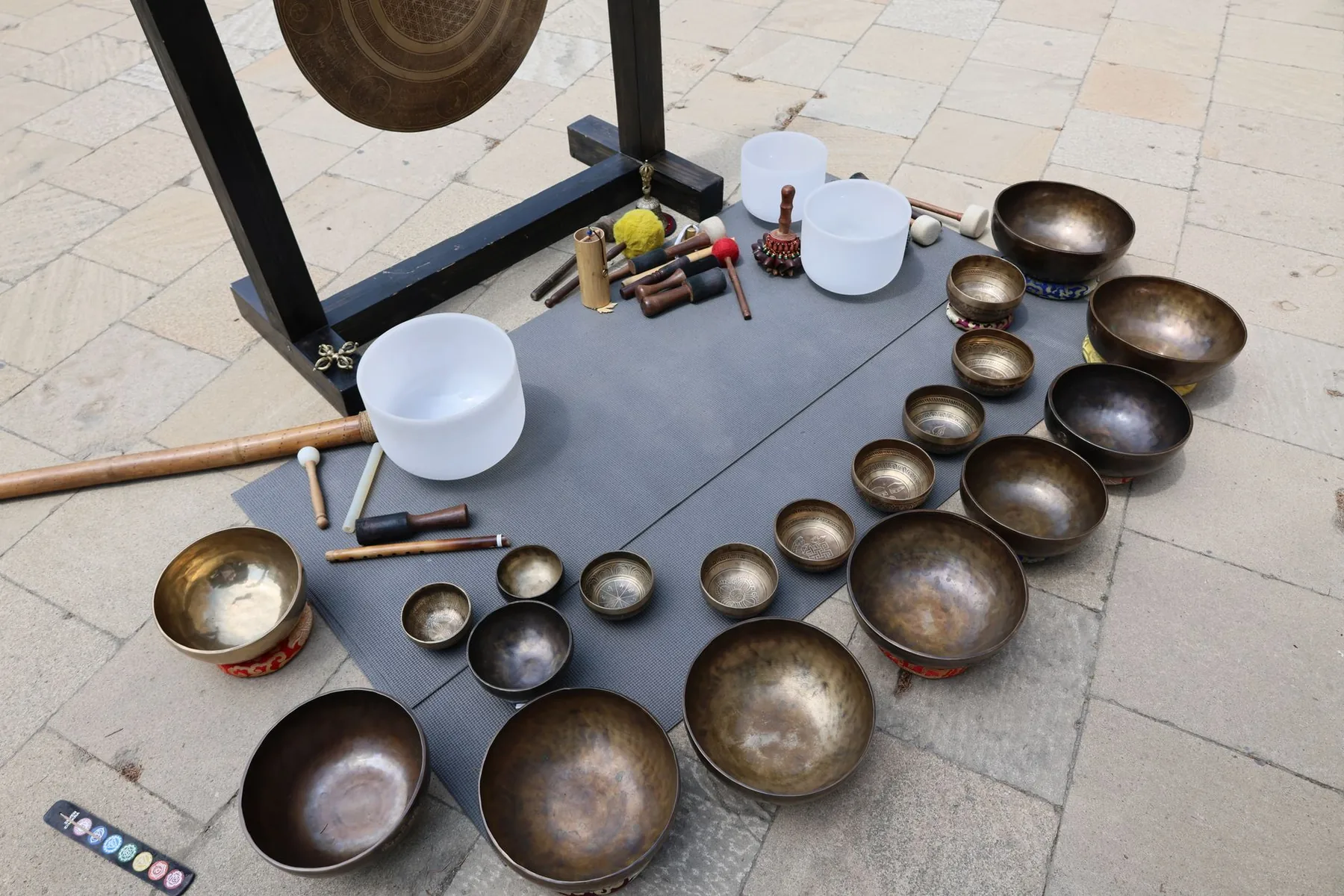
| Study | Participants or duration | Reported result |
|---|---|---|
| 2014 | 51 people | Meditation compared with and without the instrument |
| 2016 | 62 people, aged 21 to 71 | Less tension and perceived stress after a sound session |
| 2020 | Twelve minutes of listening | Lower heart rate and improved mood |
| 2025 review | 19 studies, including 9 randomized controlled trials | Variable quality of the available evidence |
What benefits can you expect for body and mind?
The effects of listening vary by person, their condition and the setting. A Tibetan singing bowl can accompany a moment of well-being, without guaranteeing a result or replacing medical care.
Relaxation, mood and emotional calm
A sound massage may encourage relaxation and support a calmer mood. In 2008, a study of 54 people with chronic back pain found that they reported less pain after listening to quartz bowls. However, a placebo effect was not ruled out. This result therefore does not prove a therapeutic effect on the body. A Tibetan singing bowl remains a comfort tool, not a treatment for anxiety.
Sleep and the quality of relaxation
Some people associate calm listening with better sleep. A singing bowl and its vibrations can create an atmosphere conducive to rest. The experience varies with sensitivity and context. Relaxation remains a personal feeling, with no guarantee of how long it will last.
Focus and presence during meditation
During meditation or yoga, paying attention to the sound sometimes helps bring you back to the present moment. This does not prove that chakras have been balanced. A 2005 trial on music therapy and a thesis defended at the University of Medicine of Nice in 2019 concern that approach, rather than Tibetan singing bowls. A Tibetan singing bowl may support attention, without an established effect on the nervous system.
| Context | Observation | Limitation |
|---|---|---|
| Quartz bowls, 2008 | Lower reported pain | Placebo effect not ruled out |
| Music therapy, 2005 and 2019 | Research on other sound practices | Not specifically about singing bowls |
How do you use a Tibetan singing bowl for meditation?
A short break with sound is enough to discover the practice. Settle into a stable posture, then place the instrument on a cushion or your open palm. Keep your hand relaxed and do not grip the bowl’s side.
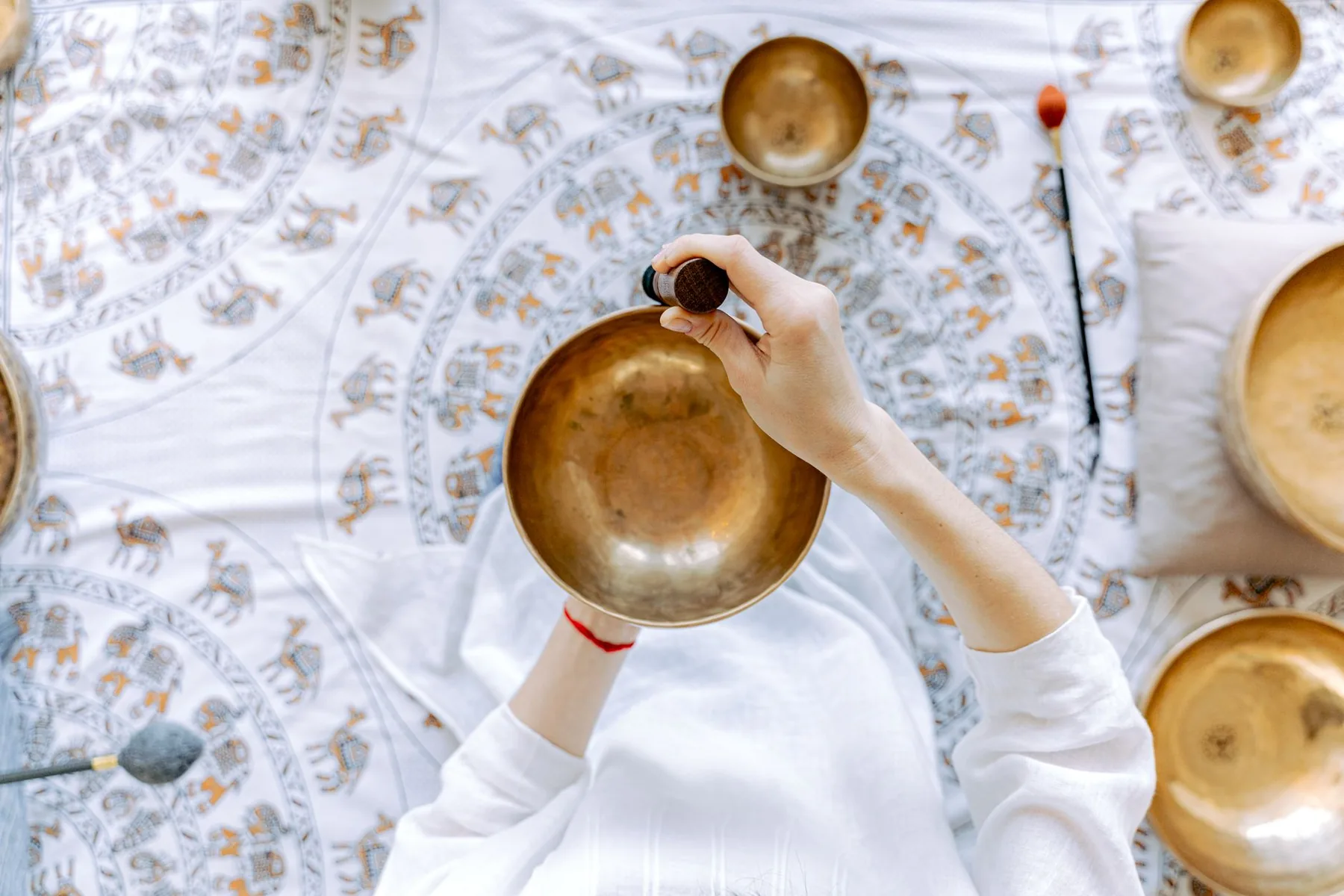
Gentle strikes, rubbing with a mallet and attentive listening
A light strike can mark the beginning or end of a session. To sustain the sound, move the mallet around the rim slowly and steadily. The Tibetan singing bowl then produces a continuous resonance.
During meditation, pay attention to the vibrations and how they change. This point of focus may support relaxation, calm and concentration, without a prescribed goal. Chakras are part of a spiritual approach, not an established medical effect.
“Start gently, then follow your own pace.”
Try a few minutes at a low volume. Continue only while listening remains pleasant. This practice can accompany yoga, but everyone chooses their own duration. The instrument serves as a tool for staying present: hand position does not guarantee any particular benefit for body or mind.
| Step | Action | Useful reminder |
|---|---|---|
| Getting ready | Open palm or stable cushion | Do not grip the bowl’s side |
| Beginning or end | Light strike with the mallet | Keep the volume gentle |
| Listening | Circular rubbing, then silence | Start with a few minutes |
What should you expect during a sound massage?
A sound massage session often lasts 30 to 60 minutes. The practitioner guides your listening in a calm setting. This sensory experience may accompany relaxation without promising healing or a definite reduction in stress.
Depending on their method, the practitioner places a bowl near your body or rests a Tibetan singing bowl on your stomach or chest. This contact takes place only with your consent. A bowl may be moved during the session; report any discomfort immediately.

The vibrations provide a point of focus, sometimes similar to guided meditation. Tibetan singing bowls create a soundscape, but experiences vary with each person’s condition and mood. A bowl does not guarantee any particular effect on well-being.
Before booking, check hygiene, the practitioner’s qualifications and the quality of the guidance offered. Ask for advice if you have any doubts. If you feel pain or discomfort, say so promptly and stop the massage if necessary.
| Consideration | What to expect | What to check |
|---|---|---|
| Duration | 30 to 60 minutes | Your availability |
| Placement | Bowl near the body or placed on it with consent | Your comfort |
| Before booking | Guided listening and gentle sounds | Hygiene and qualifications |
How do you choose a singing bowl for your practice?
The right instrument has a sound you like and is easy for you to handle. Take time to listen to several models before choosing.
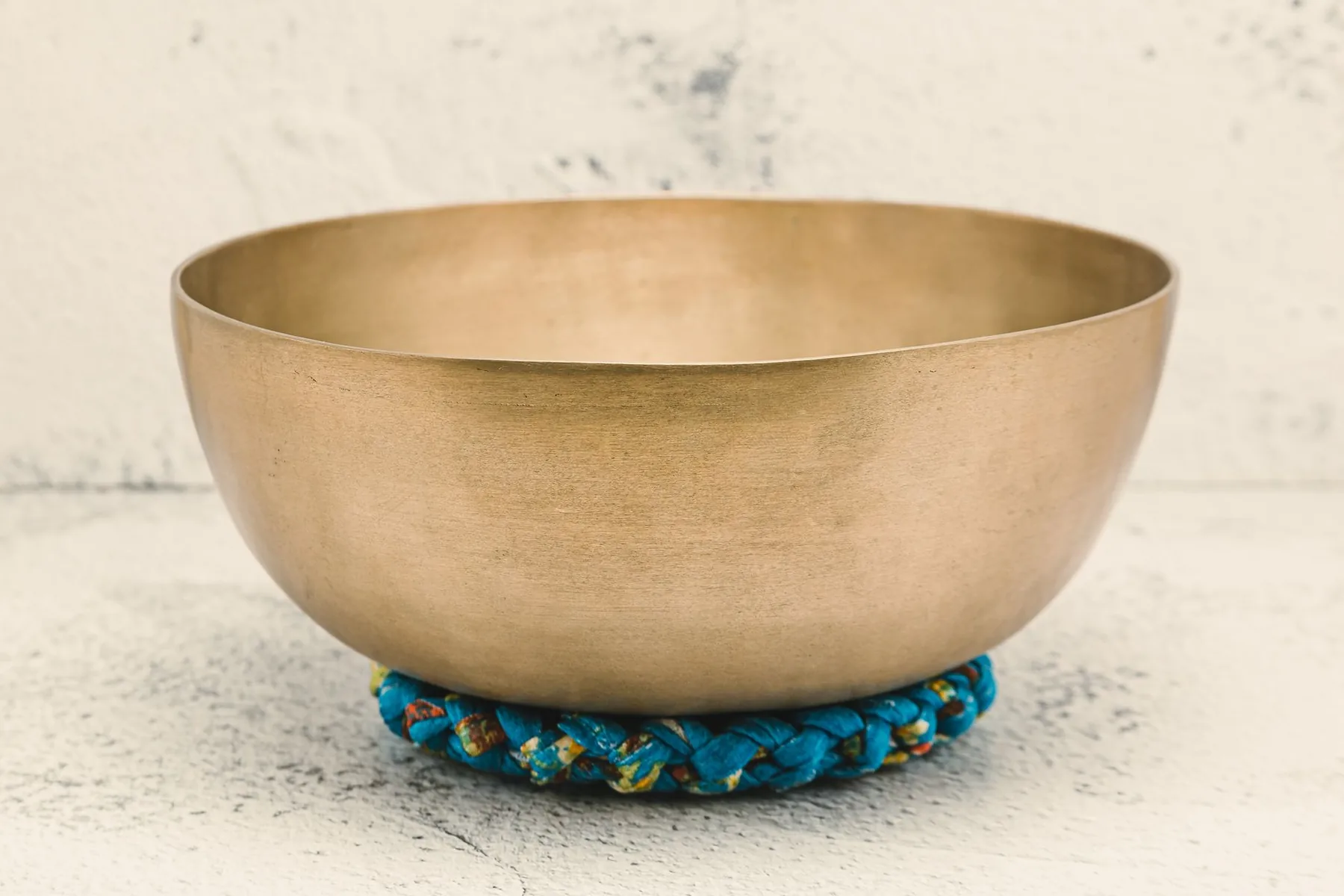
Size, tone and listening comfort
A model weighing around 500 grams often has a full resonance, but it is not suitable for every use. Larger bowls generally produce lower notes. Smaller ones often sound higher. Listening comfort and sound quality matter more than promises about chakras or energy balance.
“First, choose a sound you enjoy hearing.”
Craftsmanship, mallet and useful accessories
Some Tibetan singing bowls are made with copper and tin. These metals do not guarantee any medical effect. Examine the finish and try holding the bowl. A suitable mallet and a stable cushion make regular use easier.
To compare materials and traditions, read this guide to Tibetan singing bowls. Your choice depends mainly on what you like hearing and your budget.
| Size | Typical sound | What to consider |
|---|---|---|
| Large | Lower pitched | Full resonance |
| Small | Higher pitched | Easy to hold |
| Around 500 g | Full | Try it according to your preferences |
What precautions should you take before a session?
Comfortable listening starts with a gentle sound and a short duration. Everyone responds differently, so proceed carefully and pay attention to your body’s signals.
Volume, duration and hearing sensitivity
A Tibetan singing bowl can produce intense sounds close to the ear. Keep it at a comfortable distance. For your first attempts, use a low volume for a few minutes. The bowls should never cause discomfort.
- Stop listening as soon as you experience pain, ringing in the ears, dizziness or feeling unwell.
- If you have a hearing condition or epilepsy, seek medical advice before practising regularly.
- During a massage, mention any vulnerability. Do not allow vibrations to be applied directly to your body if they are uncomfortable.
Keep the bowl away from your ear and hold it without tensing your hand. If anxiety increases or any effect concerns you, stop using it. This precaution does not replace medical care. Your comfort matters more than the length of the session.
How can you include the bowl in a well-being routine?
Choose a quiet moment in the morning or evening. A daily routine of 10 to 20 minutes is enough to establish a regular practice. Start with three slow breaths, then sound the Tibetan singing bowl at a low volume.
- In the morning, a few minutes of attentive listening can accompany meditation or yoga. Pay attention to what you hear without aiming for a perfect result.
- In the evening, gentle sounds invite you to release tension and prepare for a relaxing period before bed.
- Adjust the duration and sound to your comfort and how you feel. Stop if listening becomes unpleasant.
This relaxation practice is flexible: on some days, a short break is enough. Chakras may guide a spiritual approach, but they do not guarantee any medical effect. For more ideas, discover a calming routine with a sound instrument. You can also find guidance in this guide to the singing instrument.
A sound massage can complement this approach to well-being. However, this tool does not replace medical advice if stress persists.
Conclusion
This article brings together useful guidance. Research from 2014, 2016, 2020 and 2025 suggests a possible effect on relaxation, despite important limitations. At the University of San Diego, the 2016 study of 62 people found a reduction in perceived stress after a session. That finding encourages further research without proving a therapeutic effect.
A Tibetan singing bowl can accompany meditation and give the mind a break through sound. Its possible benefits mainly concern relaxation. A 10 to 20 minute routine helps you pay attention to the sound, but well-being, balance and mood vary by person. Sensitivity and setting also matter.
Keep the bowl at a comfortable volume. If symptoms persist, seek advice from a doctor or psychologist. This tool can complement a care plan but never replaces appropriate professional care.