
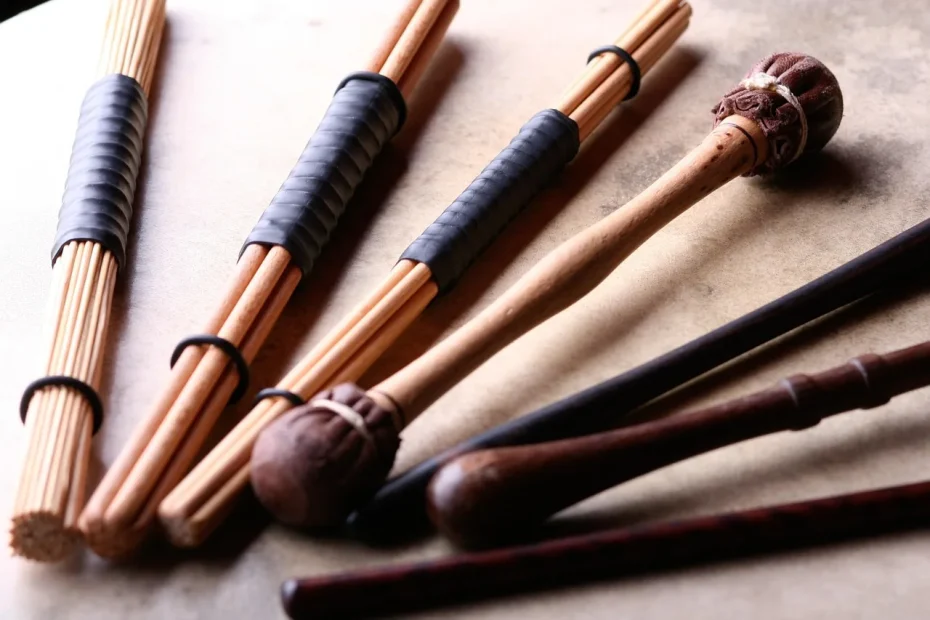
Discover a simple instrument with an enveloping sound: this modern steel bowl produces clear, deep notes. Inspired by the Whale Drum and the handpan, it makes gentle music at around 70–80 dB, ideal for calming the mind without overstimulating it.
This guide offers a short, gradual path. You will find 7- to 15-minute sequences, breathing techniques, and practical advice for making the instrument part of your routine.
Regular practice may reduce anxiety and stress and improve sleep. EEG studies show an increase in alpha and theta waves after a session, supporting its beneficial effect on the mind.
The goal: to make evening meditation accessible to everyone, even without musical experience. Modern life calls for short, effective rituals; this guide meets that need with practical exercises.
Why an evening tongue drum ritual can change your nights
A simple instrument, used regularly, creates a cue for rest. A few minutes each evening can help reduce the stress built up during the day. Sessions of 7 to 15 minutes encourage a transition to a state conducive to sleep.
Contemplative music calls for active attention. By focusing on a few sounds, you make the music an anchor. This easy-to-use instrument encourages listening without distraction.
Repetition matters. Repeating the same movements and patterns prepares the brain to associate this evening moment with relaxation. The cumulative effect improves concentration and sharpens sensitivity week after week.
A few tips to get started: practice for 7 to 10 minutes, keep a slow tempo, and breathe deeply. These basic techniques can make it easier to fall asleep and reduce nighttime waking.
| Duration | Main effect | Practical tip |
|---|---|---|
| 7 minutes | A gentle entry into a meditative state | Very slow tempo, guided breathing |
| 10 minutes | Noticeable stress reduction | Reuse the same sound patterns |
| 15 minutes | Cumulative relaxation, a better night | Daily repetition, low frequencies |
The tongue drum, a soothing percussion instrument: basics and how it works
A brief movement is enough to produce a rich, controllable resonance.
This instrument is a modern idiophone made of tongues cut into steel. Each tongue vibrates when struck, while the hollow body acts as a resonator. The opening underneath lets you amplify or soften the sound by covering it intermittently.
Diameter and shape strongly influence the character of the sound. A larger diameter gives lower, longer-lasting notes. A smaller diameter produces shorter resonance and allows faster playing.
A simple example: of two nearby notes, one produced by a wide tongue will sound warmer, while one produced by a shorter tongue will sound brighter. Striking gently or more firmly changes the attack and duration.
Selection criteria for evening use include the number of notes, build quality, and a diameter suited to your space. If possible, try a 432 Hz tuning and compare it with a 440 Hz tuning.

| Attribute | Effect on sound | Recommended use |
|---|---|---|
| Small diameter | Fast playing, short resonance | Expressive playing, short sessions |
| Large diameter | Deep low notes, long resonance | Meditative sessions, enveloping atmosphere |
| 440 Hz tuning | Musical standard, more neutral sound | Musicians and ensemble playing |
| 432 Hz tuning | Perceived as gentler by some | Try it according to your relaxation preferences |
This melodic drum combines percussive movements and notes for simple immersion. If you want examples and sheet music, explore pieces for the instrument and try different models before buying.
What science says about evening sound relaxation
Research shows that sound can quickly alter brain activity. EEG recordings reveal an increase in alpha waves (from 12 to 28 µV) and theta waves (from 8 to 19 µV) after a short session. This transition helps you move from intense mental activity toward a calm state conducive to sleep.
Alpha and theta waves: moving from mental activity to deep calm
Increased alpha and theta waves accompany a reduction in mental agitation. Practice encourages concentration and meditation. A simple instrument, such as a melodic drum or tongue drum, makes this transition easier.
Lower cortisol and neuromuscular relaxation in 15 minutes
A study published in PLOS ONE in 2013 notes a 27% decrease in cortisol after 15 minutes of suitable sound exposure. Within minutes, breathing becomes more regular and the body relaxes.
432 Hz or 440 Hz: which frequency should you choose at night?
According to the University of Nevada, 432 Hz sounds gentler to some listeners. However, 440 Hz remains the standard favored by musicians. Try both tunings and choose according to how they feel to you.
Contemplative listening or entertainment: attention and mindset
Contemplative listening engages sustained attention and reduces stress more than listening for entertainment. Suggested approach: 12 to 15 minutes at a slow tempo. Note how you feel and adjust the duration for comfort.
Prepare your space and mind for a meditative state
Before starting a session, set up a simple space that invites calm and attentive listening.
The three Cs provide a framework for preparation:
comfort, calm, concentration
Comfort: sit on a mat or cushion with your back supported. Keep the door closed and reduce visual distractions.
Calm: dim the lights and remove sources of noise. A sound level of around 70–80 dB preserves the quality of the notes and the meditative state.
Concentration: use a slow metronome if needed to maintain a steady tempo.

Practical tips
- Begin with 2 to 3 minutes of breathing to synchronize your breath and tempo.
- Favor notes from a pentatonic scale: they make it easier to enter meditation and avoid dissonance.
- Keep sessions to just a few minutes at first, then lengthen them gradually according to how you feel.
- Open and close each session with the same note pattern to establish the ritual.
| Element | Action | Expected effect |
|---|---|---|
| Seating | Mat or cushion, back supported | Physical comfort, steady breathing |
| Atmosphere | Soft light, closed door, 70–80 dB | Greater presence, preserved sound quality |
| Preparation | 2 to 3 minutes of breathing, optional metronome | Breath and tempo synchronization, concentration |
| Choice of instrument | Gentle timbre, good resonance, consistent tuning | Faster transition to a meditative state |
For a buying and playing guide for this type of instrument, see the dedicated page. These tips can help you make practice part of everyday life.
Tongue drum for evening relaxation: easy rituals
Adopting a short sound routine helps prepare the body for sleep. These sequences use limited durations and simple movements. They suit beginners and regular players alike.
Quick routine — 7 minutes
2 minutes: slow breathing and grounding. 4 minutes: repetitive patterns on 3 to 4 notes at a steady pace. 1 minute: mindful silence while you listen to the resonance.
Full routine — 12 to 15 minutes
Spend 3 minutes grounding yourself through breathing, then play slowly for 7 to 8 minutes.
Transition from bed to sleep — 3 minutes
Make very gentle, widely spaced strikes, then put down the instrument and count your breaths silently. This short sequence helps the mind move toward sleep.
Variations for mentally demanding days
- Extend the breathing exercise to 5 minutes.
- Simplify the melodies and keep a slow tempo.
- Gently tense and relax your muscles between phases of playing.
“Short daily sessions encourage consistency and bring measurable benefits.”
| Format | Duration | Goal |
|---|---|---|
| Quick | 7 minutes | Rapid grounding, consistency |
| Full | 12 to 15 minutes | Stress reduction, gradual decrease in intensity |
| Transition | 3 minutes | Moving toward sleep |
Tip for beginners: choose 2 to 3 easy notes and add only one step at a time. Note how you feel after each session and adjust its length.
To explore models and sheet music, see my favorite model and choose an instrument suited to your bedroom.
Playing techniques, breathing, and mantras for a calm state
A structured breathing method gives your playing purpose and calms the mind.
Synchronize the 4-7-8 method with your strikes
Inhale for 4 beats, hold your breath for 7 beats, then exhale while striking 8 times. For example, play one low note during the 4-beat inhale, make two light strikes while holding your breath, and make 8 steady strikes during the exhale.
Repetitive patterns and mantras: anchor your attention
Choose very simple patterns to repeat. Keep melodies spare: 2 to 3 notes are enough. Recite a short mantra, word, or phrase with each cycle to occupy the mind and strengthen concentration.
Guided visualizations from low to high notes
Let your imagination rise with each higher note. Picture a light starting at the base of your body and moving upward. Alternate your hands and intensity to guide attention without interrupting the flow of sound.
Practical example
Complete 3 cycles of 4-7-8 breathing, repeat a mantra for 2 minutes over a two-beat pattern, and finish with 1 minute of visualization while gradually playing more softly. Musicians and beginners can try and adapt these techniques.
| Technique | Action | Effect |
|---|---|---|
| Synchronized 4-7-8 method | Breathing and 8 strikes | Nervous system regulation, calm |
| Repetitive patterns | Looping 2 to 3 notes | Anchored concentration |
| Rhythmic mantra | Recited short phrase | Less mind wandering |
| Progression from low to high notes | Ascending visualization with each note | Harmony between body and mind |
“Keep it simple: a steady tempo, deep breathing, and spare patterns.”
To learn more about playing methods and how to include this instrument in meditation, see this practical guide: how to use a tongue drum.
Rhythms, BPM, and note choices for evening relaxation
A slow rhythm paired with a simple scale makes it easier to enter a meditative state. Favor tempos of <60 BPM and a pentatonic scale to limit dissonance and steady your breathing.
To choose notes, use 2 to 3 low notes as a base and add 1 to 2 higher notes per cycle. For tuning, 432 Hz is often favored in sound therapy; 440 Hz remains useful if you play with other musicians.
Consider diameter and shape: a large diameter produces low notes that resonate for a long time, while a small diameter favors short attacks. Beginners can aim for 6 to 11 notes and play sheet music more slowly. Follow these simple steps: key → BPM → 3 to 5 notes → variations. For examples of relaxing pieces, see this selection: relaxing pieces.