
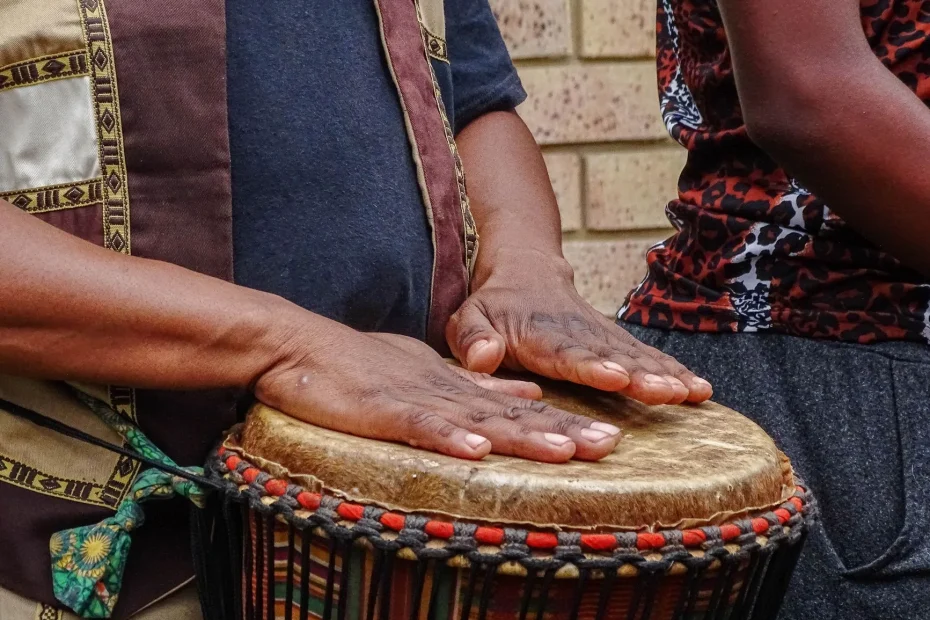
Handcrafting a djembe is a process that combines tradition and passion. This musical instrument of African, particularly Manding, origin has its own crafting secrets, passed down from generation to generation. It is made from natural materials such as wood, goatskin and ropes. Artisans use specific techniques to shape the djembe’s body, stretch the skin and adjust the tuning. Each djembe is unique and reflects its maker’s skill and creativity.
Whether you love music, are looking for an authentic instrument or are simply curious about the secrets of djembe making, this article will take you into the fascinating world of this iconic African musical instrument.
Materials used to make a djembe
Traditional djembe making calls for high-quality natural materials. Artisans use three main components to build the instrument:
1. Wood: The djembe’s body is carved from a strong, durable tree trunk. Lenke wood is often favored for its strength and exceptional sound. Its dense grain also makes it highly durable.
2. Goatskin: The top of the djembe is covered with a stretched goatskin. It gives the instrument its distinctive sound and allows it to produce a wide range of tones. Goatskin is chosen for its flexibility and ability to resonate harmoniously.
3. Ropes: The ropes stretch the goatskin and adjust the djembe’s tuning. Depending on the artisan’s preference, these ropes may be made of nylon or cotton. By maintaining the right tension, they play an essential role in the instrument’s sound quality.
“Making a djembe requires particular care in selecting materials to ensure the best possible sound quality.” — Master artisan Djibril Cissokho
These natural materials give the djembe its distinctive sound and cultural richness. Each instrument is carefully shaped using skills passed down through generations.
The stages of djembe making
The djembe-making process involves several key stages that bring this unique musical instrument to life. Each contributes to the djembe’s quality and exceptional sound.
Selecting the tree trunk
The artisan begins by selecting a good-quality tree trunk for the djembe’s body. The type of wood matters greatly. Lenke, a hard and resilient wood, is often favored for its durability and exceptional sound.
Shaping the djembe’s body
Once the trunk has been selected, the artisan carefully carves it into the djembe’s characteristic shape. This stage requires considerable skill and precision to achieve the proportions that allow the instrument to resonate at its best.
Preparing the goatskin
The goatskin used to cover the top of the djembe is carefully prepared. It is dried and treated with natural products to make it more durable and improve its sound quality. This stage is essential for producing a high-quality skin capable of a clear, powerful sound.
Attaching the skin and adjusting the ropes
Once the goatskin is ready, it is attached to the djembe’s body with ropes. The artisan carefully adjusts their tension to bring the skin and the body into harmony. This helps produce a balanced, powerful sound when the skin is struck.
Fine-tuning
To complete the process, the artisan fine-tunes the djembe by adjusting the ropes. They listen closely to the instrument and make the changes needed for optimal tuning. The djembe can then produce a high-quality sound that meets musicians’ expectations.
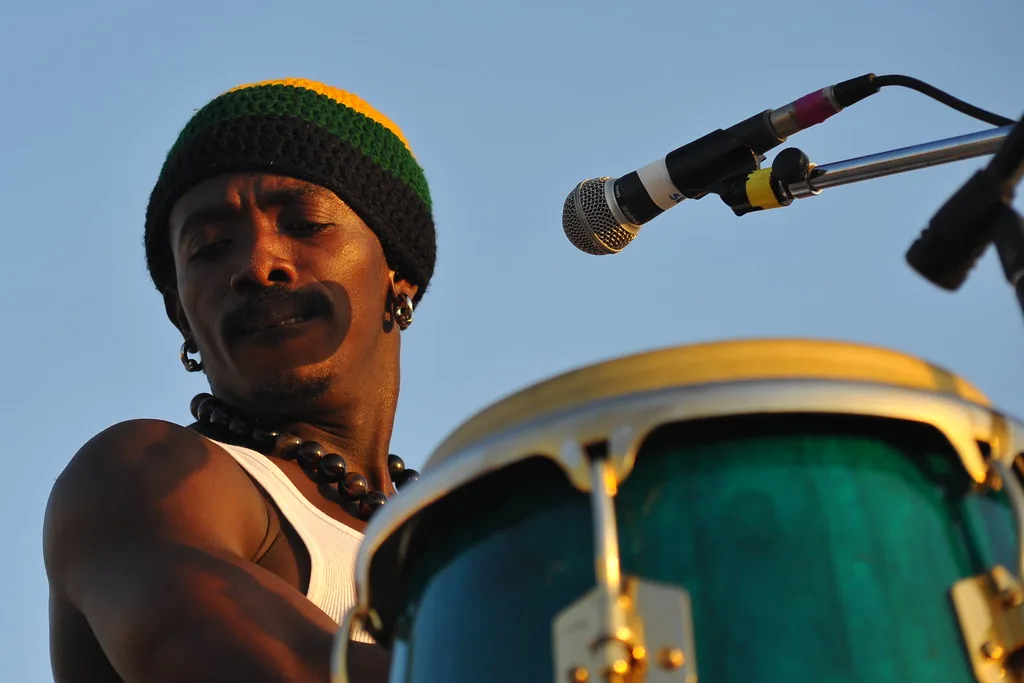
Every stage of djembe making is carried out with care, passion and skill. Handcrafting produces unique instruments that reflect African history and culture. Whether it is played or admired for its beauty, each djembe is the result of meticulous, authentic work.
The craftsmanship behind a djembe
Handcrafting a djembe requires special skills. The artisans who make these instruments master time-honored techniques passed down through generations. Their expertise allows them to carve the wood precisely, stretch the goatskin evenly and tune the djembe to produce the desired sound.
The first key element of djembe-making craftsmanship is selecting the tree trunk. Artisans can recognize the qualities that will make a trunk suitable for a high-quality djembe body. They choose strong, durable woods such as lenke, which offer excellent resonance and a long lifespan.
Next, artisans use precise carving techniques to shape the djembe’s body. They adjust its proportions according to traditional standards and their own experience, creating an instrument that is balanced and visually harmonious.
The next step is stretching the goatskin over the djembe’s body. Artisans know how much tension to apply for the best sound. This work demands great dexterity and a keen musical ear to achieve the desired tone and resonance.
The djembe is an instrument whose making requires a deep knowledge of traditional techniques. Every detail matters in creating a high-quality instrument that is one of a kind.
Finally, tuning the djembe is a crucial step that requires great mastery. Artisans use ropes to adjust the skin’s tension and produce different sounds as needed. Balancing rope tension with the skin’s resonance is an art in itself. Only those with genuine expertise can create an exceptional djembe.
Djembe-making craftsmanship is precious and is passed down from generation to generation. Each artisan contributes their own experience and artistic sensibility, making every djembe unique. Handcrafting a djembe is much more than a process: it is an expression of culture and a passion for music.
Conclusion
Handcrafting a djembe is an art that keeps African traditions alive and showcases artisans’ skills. The secrets of djembe making lie in the choice of materials, the techniques used and attention to detail. Every djembe is unique and carries the essence of African culture. The careful selection of wood, the quality of the goatskin and the tension of the ropes all contribute to the instrument’s captivating sound.
Whether we play music, connect with our roots or simply appreciate the instrument’s beauty, a handcrafted djembe draws us into a fascinating world where tradition and passion meet. Artisans preserve a valuable cultural heritage by passing their skills from generation to generation. With love and dedication, these master artisans create true works of art that share the musical richness of African culture with the rest of the world.
The secrets of djembe making are carefully guarded and passed between experienced artisans. The manual, traditional process ensures the authenticity and quality of every instrument. Thanks to these crafting secrets, the djembe continues to resonate in our hearts and create unique vibrations that bring people together and stir the soul. Whether we are musicians, music lovers or simply curious, the djembe invites us to explore the essence of African culture through its spellbinding sounds and timeless beauty.
FAQ
What are the secrets of djembe making?
Handcrafting a djembe combines tradition and passion. Its crafting secrets lie in the choice of materials, the techniques used and attention to detail. Every djembe is unique and carries the essence of African culture.
What materials are used to make a djembe?
A djembe is made from natural materials such as wood, goatskin and ropes. Its body is carved from a tree trunk, often lenke, a hard, resilient wood. The goatskin covers the top of the djembe and produces the instrument’s distinctive sound. The ropes, usually made of nylon or cotton, stretch the skin and adjust the djembe’s tuning.
What are the stages of djembe making?
The djembe-making process involves several stages. First, the artisan selects a good-quality tree trunk and carves it into the shape of the djembe’s body. Next, the goatskin is prepared: it is dried and treated with natural products to improve its durability. Once ready, it is attached to the body with ropes, with enough tension to produce a clear, powerful sound. Finally, the artisan fine-tunes the djembe by adjusting the ropes and testing its sound.
What skills are needed to make a djembe?
Handcrafting a djembe requires special skills. Artisans master time-honored techniques for carving the wood, stretching the skin and tuning the instrument. They know how to choose the right tree trunk, shape the body to ideal proportions and balance the tension between the skin and ropes. Djembe-making craftsmanship is passed down through generations, ensuring the quality and authenticity of each instrument.
What does handcrafting a djembe reflect?
Handcrafting a djembe preserves African traditions and showcases artisans’ skills. Each djembe is unique and reflects its maker’s skill and creativity. Whether we play music, connect with our roots or simply appreciate the instrument’s beauty, a handcrafted djembe draws us into a fascinating world where tradition and passion meet.